Are you thinking about building a 2 stall horse barn? Whether you have one or two horses, the right barn can make a big difference in their comfort and care.
You want a space that’s safe, easy to maintain, and fits your daily routine. You’ll discover what makes a 2 stall horse barn the perfect choice for many horse owners. Keep reading to find out how to create a barn that works for you and your horses, saving you time and stress every day.
Benefits Of A 2 Stall Barn
A 2 stall horse barn offers many benefits for small horse owners. It provides enough space for two horses while keeping things simple and practical. This type of barn is perfect for those with limited land or a small number of horses. It saves space, lowers costs, and makes daily care easier.
Space Efficiency
A 2 stall barn uses land wisely. It fits well in small areas or narrow plots. Each stall gives horses enough room without wasting space. The design often includes storage for feed and tools. This setup helps keep everything organized and close by.
Cost Considerations
Building a 2 stall barn costs less than larger barns. It needs fewer materials and less labor. Lower costs mean easier budgeting for horse owners. Maintenance and repairs are also cheaper. This makes it a smart choice for those on a budget.
Ease Of Maintenance
Smaller barns are easier to clean and maintain. With just two stalls, chores take less time. Daily tasks like feeding and mucking out are quicker. Fewer corners and less space reduce hidden dirt. This helps keep horses healthy and happy.
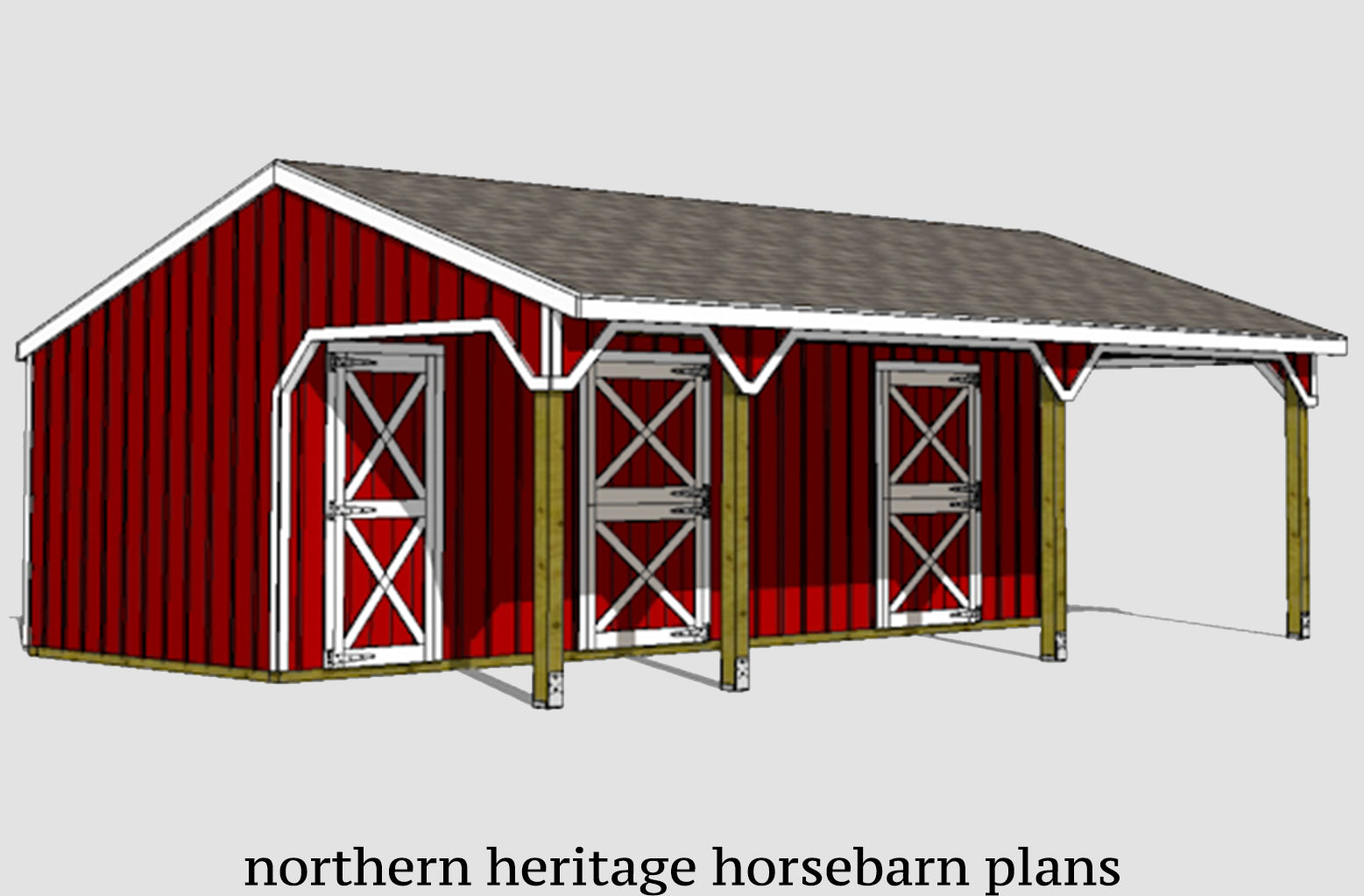
Credit: www.nhhorsebarnplans.com
Choosing The Right Location
Choosing the right location for a 2 stall horse barn is crucial for your horse’s health and safety. The site affects daily care, comfort, and barn durability. Thoughtful planning helps avoid problems later.
Land Preparation
Start with clearing the land of rocks, roots, and debris. Level the ground to create a stable base for the barn. Firm, even soil prevents shifting and keeps the barn secure. A well-prepared site makes building easier and safer for horses.
Accessibility
Choose a location easy to reach by vehicles and people. Good access allows smooth delivery of feed, bedding, and supplies. It also helps in emergencies, letting vets or fire services arrive quickly. Wide paths and clear routes improve daily convenience.
Drainage And Ventilation
Pick a spot with good natural drainage to avoid water buildup. Standing water causes mud and can harm hooves. Proper ventilation keeps fresh air flowing through the barn. Good airflow reduces odors and moisture, keeping horses healthy and comfortable.
Essential Design Elements
Designing a 2 stall horse barn needs focus on key details. These details keep horses safe and comfortable. Good design also makes daily chores easier. Below are essential elements to consider for your barn.
Stall Size And Layout
Each stall should be spacious enough for the horse. A common size is 12 feet by 12 feet. This gives the horse room to move and lie down. The layout should allow easy access to both stalls. Space between stalls helps with cleaning and feeding. Avoid tight corners to prevent injuries.
Aisle And Door Placement
Aisles must be wide and clear of obstacles. A width of at least 8 feet is ideal. Doors should open outward for safety. Place doors where horses and people can move freely. Consider sliding doors to save space. Position doors to prevent horses from feeling trapped.
Lighting And Windows
Natural light improves horse health and mood. Large windows help air flow and light. Place windows high to avoid drafts. Use skylights for extra daylight. Good lighting also helps with barn chores. Avoid dark corners to keep the barn safe.
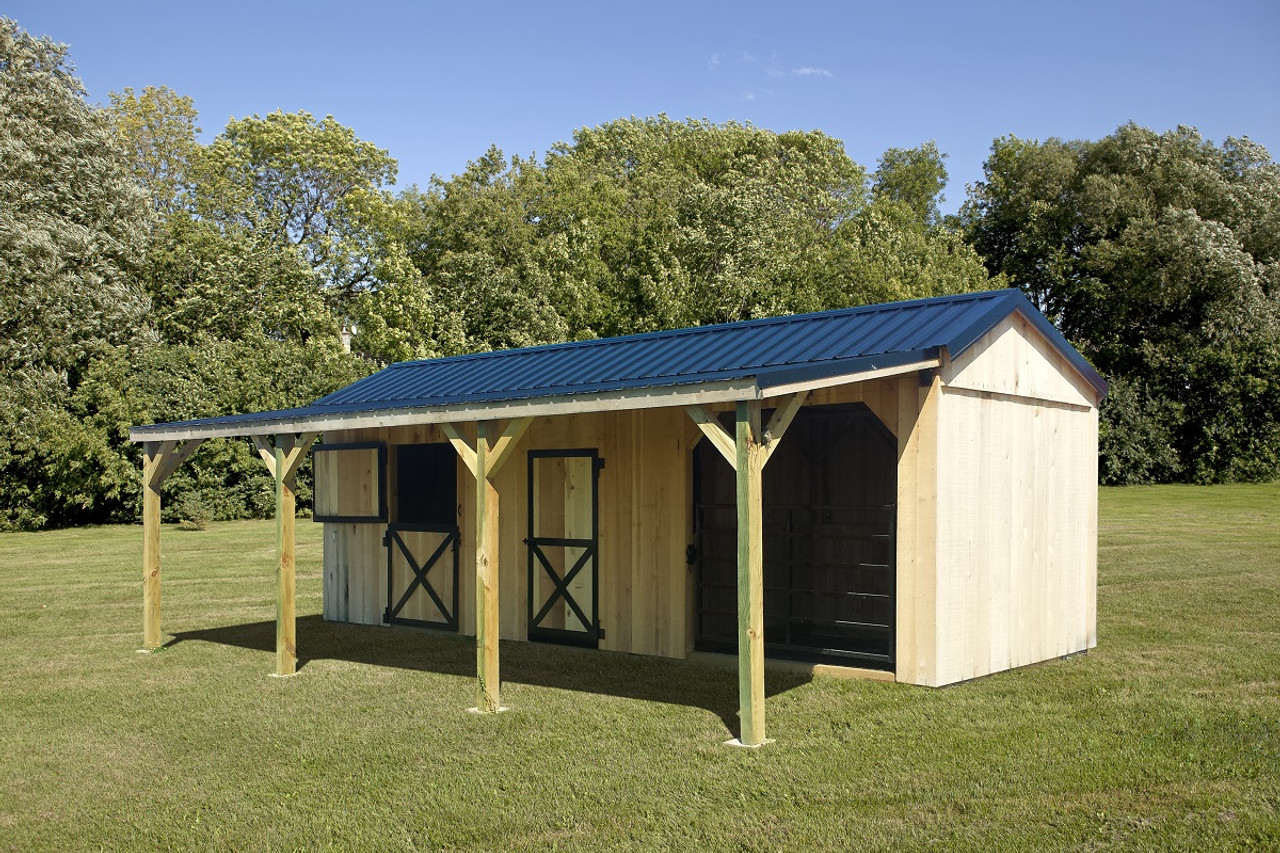
Credit: kauffmanlawnfurniture.com
Material Selection
Choosing the right materials is key for a 2 stall horse barn. Materials affect the barn’s strength, safety, and comfort. Select options that suit your budget and climate. Focus on durability, maintenance, and horse well-being.
Wood Vs. Metal
Wood offers a natural look and good insulation. It is easy to modify and repair. Wood needs regular treatment to prevent rot and pests.
Metal is strong and low maintenance. It resists fire, insects, and weather damage. Metal barns can get hot, so add ventilation.
Both materials suit horse barns well. Choose based on your style and climate.
Flooring Options
Good flooring keeps horses safe and comfortable. Dirt floors are soft but can get muddy. Concrete is durable and easy to clean. Add rubber mats to soften concrete floors.
Rubber flooring reduces injury risk and adds comfort. It is easy to replace and clean. Pick flooring that drains well and supports hoof health.
Roofing Materials
The roof protects the barn from weather. Metal roofs last long and shed snow easily. They reflect heat and reduce cooling costs.
Asphalt shingles are cheaper and quieter. They may need more repairs over time. Choose roofing that fits your climate and budget.
Building Process Steps
Building a 2 stall horse barn requires careful planning and clear steps. Each phase is important to ensure the barn is safe and durable. Understanding these steps helps you follow the process smoothly.
The building process starts with preparing the base and ends with adding finishing touches. Let’s explore the key steps involved in constructing your barn.
Foundation Setup
The foundation supports the entire barn structure. It must be level and strong. Start by clearing the land and marking the area. Then dig trenches or holes for footings. Pour concrete to create a stable base. Allow the concrete to cure fully before moving to the next step.
Framing And Structure
Framing forms the skeleton of the barn. Use treated wood or metal beams for durability. Build the walls, roof trusses, and support beams carefully. Make sure all parts are square and secure. Check measurements often to keep the structure even. Proper framing ensures the barn can withstand weather and use.
Installing Doors And Windows
Doors and windows provide access and ventilation. Choose sizes that fit your needs. Install sturdy doors for horse stalls and barn entry. Fit windows to allow light and fresh air inside. Secure all openings tightly to protect from weather and pests. Proper installation increases the barn’s comfort and safety.

Credit: www.eshsheds.com
Interior Features
The interior of a 2 stall horse barn plays a key role in horse care and daily routines. It offers space, comfort, and organization for both horses and handlers. Each part inside the barn is designed to make work easier and keep horses safe.
Smart interior features improve feeding, storage, and equipment management. They help keep everything neat and accessible. This section explains the main interior elements you find in a 2 stall horse barn.
Feed And Water Systems
Efficient feed and water systems are essential for healthy horses. Many barns include built-in feed bins or racks to hold hay and grain. Automatic waterers ensure horses have fresh water all day. These systems reduce spills and waste. Easy access to feed and water saves time during busy days.
Tack Room Setup
The tack room stores saddles, bridles, and riding gear safely. A well-organized tack room keeps equipment clean and ready to use. Hooks, shelves, and racks help arrange items neatly. Proper ventilation prevents mold and odors. This space makes daily preparation smooth and quick.
Storage Solutions
Storage areas hold tools, grooming supplies, and feed extras. Cabinets and bins keep small items tidy and easy to find. Wall-mounted racks free up floor space. Good storage reduces clutter and improves safety. Each storage solution fits the barn’s size and needs perfectly.
Safety Measures
Safety is the top priority in any 2 stall horse barn. Protecting horses and people requires careful planning. Safe barns help prevent accidents and injuries. Follow key safety measures to create a secure space for your horses.
Fire Prevention
Fire risks are high in barns due to hay and bedding. Keep the barn clean and remove dust often. Store hay away from electrical equipment and heat sources. Install smoke detectors and fire extinguishers near stalls. Use safe wiring and avoid open flames inside the barn. Have an emergency plan and practice it regularly.
Ventilation Safety
Good airflow is vital to keep horses healthy. Proper ventilation removes dust, ammonia, and moisture. Design windows and vents to allow fresh air without drafts. Avoid blocked vents and ensure air moves freely. Proper ventilation lowers the risk of respiratory problems in horses.
Stable Flooring
Stable floors must be safe and comfortable for horses. Use non-slip materials to prevent falls and injuries. Floors should drain well to avoid wet, slippery spots. Soft bedding adds comfort and absorbs moisture. Regular cleaning keeps floors dry and safe for horses and handlers.
Custom Design Ideas
Custom design ideas make a 2 stall horse barn more useful and attractive. Thoughtful features help horses stay comfortable and safe. These ideas also improve convenience for owners and caretakers. Consider key design elements that suit your space and needs.
Outdoor Access
Outdoor access lets horses move freely between stall and pasture. Large Dutch doors offer easy entry and exit. Covered run-in sheds provide shade and shelter outside. A well-placed gate helps control horse movement safely. Outdoor access encourages natural behavior and exercise.
Loft And Storage
A loft adds valuable space above the stalls. Use lofts to store hay, feed, and equipment. Keep the barn floor clear for cleaning and walking. Proper ventilation in the loft prevents mold and dust. Sturdy stairs or ladders ensure safe loft access.
Aesthetic Enhancements
Simple touches improve the barn’s look and feel. Paint the barn in soft, natural colors. Add flower boxes or climbing vines near windows. Use decorative hardware on doors and windows. Natural wood finishes create warmth and charm. These details make the barn a pleasant place for horses and people.
Maintenance Tips
Proper maintenance keeps a 2 stall horse barn safe and functional. It helps protect your horses and extends the barn’s life. Small tasks done often prevent big problems later.
Focus on cleaning, checking the structure, and controlling pests. These steps keep the barn in top shape. Regular care saves time and money in the long run.
Regular Cleaning
Clean stalls every day. Remove manure and wet bedding quickly. This stops bad smells and keeps horses healthy. Sweep aisles to avoid dust build-up. Clean water buckets and feeders often. A tidy barn feels safe and comfortable.
Inspecting Structural Integrity
Look for cracks in walls and floors. Check doors, windows, and roof for damage. Tighten loose nails and screws. Replace broken boards to avoid injuries. Regular checks catch small issues early. This keeps the barn strong and secure.
Pest Control
Keep the barn dry to stop bugs and rodents. Use safe traps or natural repellents. Remove leftover feed and trash daily. Fix holes where pests enter. A pest-free barn protects horses from disease. Clean surroundings reduce pest attraction.
Budgeting And Cost Saving
Building a 2 stall horse barn requires careful budgeting. Costs can add up quickly without a plan. Saving money is possible by understanding key expenses. Prioritize spending to keep your project affordable. Focus on material costs, labor expenses, and choices between DIY and professional help. These factors affect your total budget.
Material Costs
Material prices vary by type and quality. Wood, metal, and concrete have different costs. Choose materials that fit your budget and needs. Buying in bulk can lower prices. Check local suppliers for deals and discounts. Consider recycled or reclaimed materials to save money. Plan for extras like nails, screws, and paint.
Labor Expenses
Labor costs can be a big part of your budget. Skilled workers charge more but ensure quality. Unskilled labor costs less but may take longer. Factor in the time needed to finish the barn. Budget for unexpected delays or repairs. Compare rates from multiple contractors before hiring. Clear communication helps avoid extra charges.
Diy Vs. Professional Help
Doing the work yourself saves labor costs. You need the right tools and skills for safety. Simple tasks like painting or minor repairs are good DIY jobs. Complex tasks like framing or electrical work need pros. Professionals work faster and meet building codes. Balance your skills with the project demands. This choice greatly impacts your budget and timeline.
Frequently Asked Questions
What Size Is Ideal For A 2 Stall Horse Barn?
A typical 2 stall barn has stalls about 12×12 feet each for comfort and space.
How Much Does Building A 2 Stall Horse Barn Cost?
Costs vary, but expect between $10,000 to $25,000 depending on materials and design.
What Materials Are Best For A 2 Stall Horse Barn?
Wood and metal are common for durability, ventilation, and easy maintenance.
How To Design A 2 Stall Barn For Easy Cleaning?
Include wide doors, smooth floors, and proper drainage for quick cleaning.
What Features Improve Horse Comfort In A 2 Stall Barn?
Good ventilation, natural light, and safe, sturdy stalls keep horses happy.
Can A 2 Stall Barn Be Expanded Later?
Yes, many designs allow adding stalls or storage space in the future.
Conclusion
A 2 stall horse barn fits well for small spaces and fewer horses. It offers comfort and safety for your animals. Building one saves time and money. Choose durable materials for long-lasting use. Easy access to each stall helps daily care.
Proper ventilation keeps horses healthy. This barn style suits many horse owners. Simple design meets basic needs without extra cost. A 2 stall horse barn makes caring for horses easier and more efficient.
As an Amazon Associate, I earn from qualifying purchases.