If you own horses, you know how important it is to have the right trailer to keep them safe and comfortable on the road. A 4 horse horse trailer gives you enough space to transport multiple horses without stress.
But choosing the perfect one for your needs isn’t always easy. You’ll discover what makes a 4 horse trailer stand out, what features to look for, and how to find the best fit for your horses and your budget. Keep reading to make sure your next trailer trip is smooth and worry-free.
Choosing The Right Trailer Size
Choosing the right size for a 4 horse trailer is important. A good fit keeps horses safe and comfortable. It also makes loading and unloading easier. The trailer must have enough space for each horse. It should allow room for movement but not too much space that horses can get hurt.
Consider the trailer’s length, width, and height. These dimensions affect how well the horses travel. Proper size helps prevent injuries and stress. It also makes towing safer and more stable. Knowing the standard sizes and space needs helps make a smart choice.
Standard Dimensions For Four-horse Trailers
Most four-horse trailers have a length between 20 to 24 feet. The width is usually about 7 to 8 feet. Height inside the trailer is around 7 feet. These sizes fit most average horses well. Some trailers have extra length for tack rooms or storage. Always check the trailer dimensions before buying.
Space Requirements Per Horse
Each horse needs enough space to stand and balance. At least 24 to 30 square feet per horse is common. Horses need room to turn their heads and stand naturally. Taller horses might need more headroom. Overcrowding can cause stress and injuries. Proper space improves comfort and safety during travel.
Trailer Types And Their Benefits
There are different types of four-horse trailers. Straight load trailers have horses lined up side by side. They are easier to load and unload. Slant load trailers position horses at an angle. They save length space and may be more comfortable for horses. Gooseneck trailers offer better stability and towing control. Choose the type that fits your needs and trailer size.

Credit: www.dhmco.com
Essential Comfort Features
Comfort is crucial when transporting horses. A 4 horse trailer must keep animals calm and safe. Essential comfort features help reduce stress during travel. These features improve air quality, ride smoothness, and stable footing.
Ventilation And Airflow Options
Good airflow prevents heat build-up inside the trailer. Windows, vents, and roof openings provide fresh air. Proper ventilation reduces odors and moisture. Horses stay cooler and breathe easier during trips.
Suspension Systems For Smooth Rides
A quality suspension system absorbs bumps on the road. It protects horses from jolts and shakes. This reduces anxiety and helps prevent injuries. Smooth rides keep horses calm and relaxed.
Padding And Flooring Materials
Soft padding cushions horses against hard walls. Durable flooring offers grip to avoid slipping. Materials like rubber mats provide comfort and safety. Easy-to-clean floors maintain hygiene inside the trailer.
Safety Measures For Horses
Keeping horses safe during transport is very important. A 4 horse trailer must have key safety features. These features protect horses from injury and stress. Proper safety measures make travel calm and secure for horses.
Secure Latches And Doors
Latches and doors must lock tightly. Loose doors can open while driving. Secure latches stop horses from escaping. Strong locks protect horses from outside dangers. Check latches before every trip to ensure safety.
Dividers And Partitions
Dividers keep horses separated inside the trailer. They prevent horses from bumping or kicking each other. Partitions give each horse its own space. Well-padded dividers reduce risk of injury. Dividers help horses stay balanced during travel.
Emergency Exit Designs
Emergency exits allow quick horse removal if needed. Exits must be easy to open from inside and outside. Clear exit paths reduce panic during emergencies. Properly placed exits save time and protect horses. Emergency designs improve overall trailer safety.

Credit: www.somtrailers.com
Materials And Build Quality
The materials and build quality of a 4 horse trailer are crucial for safety and longevity. Choosing the right materials impacts how well the trailer holds up over time. Strong construction protects your horses and your investment. Let’s explore the key factors to consider.
Aluminum Vs Steel Trailers
Aluminum trailers resist rust and stay lighter. They are easier to tow and often last longer without corrosion. Steel trailers offer strong durability and can handle rough use. Steel is heavier but can be more affordable. Both materials have benefits depending on needs and budget.
Rust Prevention And Durability
Rust can weaken trailers quickly. Aluminum trailers naturally avoid rust, making them great for wet climates. Steel trailers need protective coatings and regular care to stop rust. Quality paint and sealants extend trailer life. Regular inspections help catch rust early and keep trailers safe.
Weight Considerations
Weight affects fuel use and towing ease. Aluminum trailers weigh less, improving fuel efficiency. Steel trailers add weight, making towing harder. Lighter trailers reduce stress on towing vehicles. Consider vehicle capacity and trailer weight for safe travel.
Loading And Unloading Tips
Loading and unloading horses from a 4 horse horse trailer can be tricky. Proper techniques keep horses safe and calm. These tips help make the process smooth. They also reduce risks of injury for both horses and handlers.
Training Horses For Trailer Entry
Start training your horse early. Use gentle steps to introduce the trailer. Let the horse explore the trailer at its own pace. Practice walking in and out calmly. Reward the horse with treats or praise. Consistent training builds trust and confidence.
Using Ramps And Gates Safely
Check ramps for stability before use. Make sure gates are secure and easy to open. Keep the ramp clean and dry to avoid slipping. Lead the horse slowly up the ramp. Stand to the side, not behind the horse. Use calm voice commands during loading and unloading.
Minimizing Stress During Transit
Keep the trailer well-ventilated and quiet. Avoid sudden starts or stops while driving. Use padding inside the trailer for comfort. Provide water before and after the trip. Monitor your horse’s behavior regularly. A calm horse travels better and safer.
Maintenance And Inspection
Maintaining and inspecting a 4 horse horse trailer is key for safety and durability. Regular care keeps the trailer in good shape. It helps avoid costly repairs and problems on the road. Checking all parts often ensures the trailer works well every trip.
Regular Cleaning Practices
Clean the trailer inside and out after each use. Remove dirt, mud, and manure to prevent rust and damage. Use water and mild soap for washing. Pay special attention to corners and floors where debris collects. Dry the trailer well to stop moisture buildup.
Checking Tires And Brakes
Inspect tires for wear, cracks, and proper air pressure before every trip. Replace tires that show signs of damage or low tread. Test the brakes regularly to ensure they respond quickly. Look for worn brake pads or leaks in the brake system. Proper tires and brakes help avoid accidents.
Inspecting Structural Integrity
Look over the trailer’s frame, walls, and floor for cracks or rust spots. Check welds and joints for looseness or breaks. Make sure doors and ramps open and close smoothly. Fix any damage to keep the trailer strong and safe. A solid structure protects your horses during travel.
Legal And Registration Requirements
Understanding the legal and registration requirements for a 4 horse horse trailer is essential. Each state or country has specific rules that owners must follow. These rules help ensure safety on the road and protect the horses during transport. Compliance with these laws avoids fines and legal trouble.
Licensing For Horse Trailers
A valid license is required to tow a horse trailer. The type of license depends on the trailer’s size and weight. Some places require a special endorsement or commercial license. Always check local DMV rules before buying or driving a trailer. Proper licensing keeps drivers legal and responsible.
Weight And Size Regulations
Horse trailers have strict weight and size limits. These limits vary by region and affect road safety. Exceeding weight limits can cause accidents or damage roads. Measure your trailer’s dimensions before registration. Follow these rules to prevent fines and ensure smooth travel.
Insurance Considerations
Insurance is crucial for horse trailers. It covers damage, theft, and liability during transport. Many policies offer specialized coverage for horse trailers. Choose insurance that fits your trailer’s value and use. Insurance protects both your investment and your horses.
Budgeting And Cost Factors
Buying a 4 horse trailer requires careful budgeting. Many factors affect the total cost. Knowing these will help you make a smart choice. Cost depends on the trailer’s size, features, and condition. Planning your budget avoids surprises and ensures you get good value.
New Vs Used Trailer Options
New trailers cost more but come with warranties. They offer the latest features and full customization. Used trailers are cheaper but might need repairs. Check the trailer’s condition carefully before buying used. Balance price with your needs and future plans.
Additional Accessories To Consider
Extras add to the total cost of the trailer. Think about mats, tie rings, and lights. Some trailers need ramps or extra storage. Safety gear and comfort items increase the price too. Plan for these costs to avoid overspending later.
Long-term Investment Value
A quality trailer saves money over time. Durable trailers need less repair and last longer. Resale value is higher for well-maintained trailers. Choose a trailer that fits your horses and travel style. This choice protects your investment and your horses’ comfort.
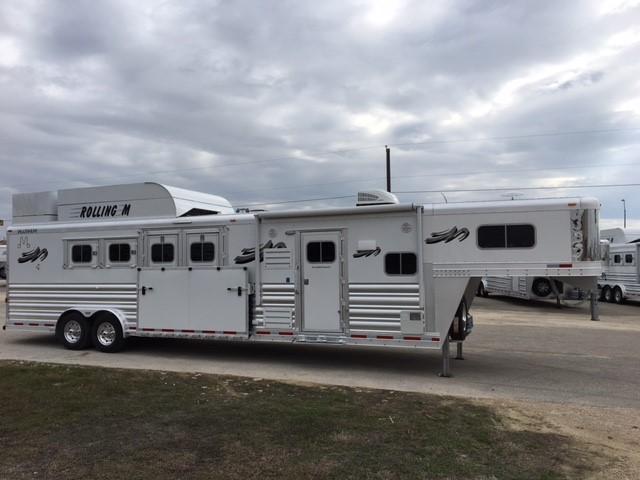
Credit: www.rollingmtrailers.com
Frequently Asked Questions
What Size Is A Typical 4 Horse Horse Trailer?
A 4 horse trailer usually measures 12 to 16 feet long and 7 feet wide.
How Much Does A 4 Horse Horse Trailer Weigh?
It typically weighs between 6,000 and 9,000 pounds when empty.
What Types Of 4 Horse Trailers Are Available?
Common types include bumper pull, gooseneck, and living quarter trailers.
How Do You Safely Load Horses Into A 4 Horse Trailer?
Lead horses calmly, use ramps, and secure them with dividers inside.
What Maintenance Is Needed For A 4 Horse Horse Trailer?
Check tires, brakes, lights, and clean the interior regularly for safety.
Can A Regular Truck Tow A 4 Horse Horse Trailer?
A heavy-duty truck with proper towing capacity is required for safe towing.
Conclusion
Choosing the right 4 horse trailer makes travel safe and easy. It offers enough space for comfort and security. Durable materials help protect your horses on the road. Consider size, weight, and features to fit your needs. A good trailer keeps your horses calm during trips.
Regular maintenance ensures the trailer stays reliable for years. Think about your travel plans before deciding. The right trailer helps you enjoy every ride with your horses. Simple, smart choices lead to better journeys.
As an Amazon Associate, I earn from qualifying purchases.