Are you wondering when the right time is to spay your cat? Knowing how old your cat should be before this important procedure can protect her health and save you from unexpected challenges.
Making the decision too early or too late can have effects you might not expect. You’ll discover the ideal age for spaying your cat and why timing matters more than you think. Keep reading to learn what’s best for your furry friend’s well-being.

Credit: personnalitevoyage.com.br
Ideal Age For Spaying
Knowing the ideal age for spaying a cat helps protect her health and behavior. Spaying stops unwanted litters and lowers some health risks. Choosing the right time supports her growth and recovery after surgery. This section explains when to spay your cat for best results.
Early Spaying Benefits
Spaying cats before their first heat has many benefits. It reduces the chance of breast cancer later in life. Early spaying also stops unwanted pregnancies early. Young cats usually heal faster after surgery. This makes recovery easier and quicker.
Recommended Age Ranges
Most vets suggest spaying cats between 4 and 6 months old. This is before they start their heat cycles. Some shelters spay kittens as young as 8 weeks. At this age, kittens must weigh at least 2 pounds. The timing depends on your cat’s health and vet advice.
Breed And Size Considerations
Large or slow-growing breeds might need more time before spaying. Smaller or fast-growing cats often heal well at younger ages. Your vet can check your cat’s size and health. This helps decide the best spay age for her breed and size.
Health Benefits Of Spaying
Spaying a cat offers many health benefits that improve her life. It helps avoid serious illnesses and supports a longer, healthier life. Many cat owners choose to spay their pets to keep them safe and happy.
Reducing Cancer Risks
Spaying lowers the chance of breast cancer in cats. The risk drops greatly if spaying happens before the first heat. It also prevents uterine and ovarian cancers. This surgery keeps reproductive organs from getting sick.
Behavioral Improvements
Spayed cats are calmer and less aggressive. They do not roam far from home. This reduces fights and injuries with other animals. Spaying stops the noisy and messy heat cycles. Cats become easier to live with and care for.
Preventing Unwanted Litters
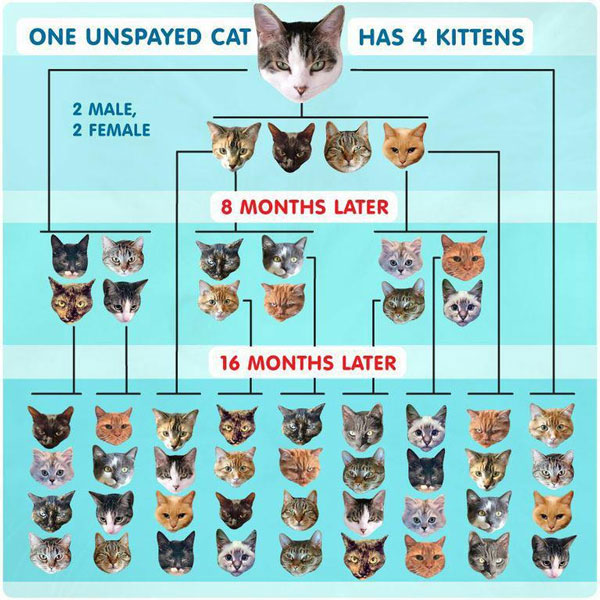
Spaying stops cats from having babies. It helps control the stray cat population. Fewer kittens mean fewer homeless cats. This reduces the burden on shelters and communities. It is a responsible choice for all cat owners.
Risks Of Early Or Late Spaying
Spaying a cat at the right age is important for her health. Spaying too early or too late can cause problems. Knowing the risks helps pet owners make better decisions. This section explains the risks of early or late spaying.
Potential Health Concerns
Spaying too early may affect the immune system. It can increase the risk of some illnesses. Late spaying raises the chance of reproductive cancers. It can also lead to infections in the uterus. Both early and late spaying have health risks.
Impact On Growth And Development
Spaying too early may slow bone growth. This can change the cat’s body shape. Late spaying allows hormones to affect growth. It might cause the cat to develop unwanted traits. Timing spaying right helps proper growth and development.
Surgical Risks By Age
Young kittens usually heal faster after surgery. Their small size can make surgery harder. Older cats may face more surgery risks. They might have other health issues. The vet must weigh these risks before spaying.
Preparing For The Procedure
Preparing your cat for spaying is important for a safe surgery and quick recovery. This process helps reduce risks and keeps your pet calm. Knowing what to do before the surgery can make everything easier for both you and your cat.
Pre-surgery Health Checks
The vet will check your cat’s health before surgery. This includes a physical exam and sometimes blood tests. These checks ensure your cat is strong enough for the procedure. Any illness or infection may delay the surgery.
Diet And Fasting Guidelines
Your cat should not eat for several hours before surgery. Usually, fasting starts the night before. Water may be allowed until a few hours before the appointment. These rules help avoid problems during anesthesia.
What To Expect On Surgery Day
On surgery day, bring your cat in a secure carrier. Arrive on time to complete any last paperwork. The vet will explain the steps and answer your questions. The surgery usually takes a short time. Afterward, your cat will rest and recover under vet care.
Post-spaying Care
Post-spaying care is very important for your cat’s health. After the surgery, your cat needs quiet and gentle care to heal well. Proper care helps avoid problems and speeds up recovery. Knowing what to do makes a big difference for your cat’s comfort and safety.
Recovery Tips
Keep your cat in a calm, warm place away from noise. Limit her movement to stop injury. Use a soft bed to protect her stitches. Check the surgery site daily for redness or swelling. Do not let her lick or bite the area. Use an Elizabethan collar if needed. Give food and water in small amounts at first. Follow your vet’s advice on medicine and feeding times.
Recognizing Complications
Watch for signs of trouble like heavy bleeding or swelling. If your cat seems very tired or has a fever, call your vet. Pus or bad smell near the wound means infection. If she stops eating or vomits, seek help quickly. Early care stops small problems from becoming serious. Trust your instincts and ask a vet if unsure.
Follow-up Veterinary Visits
Schedule a check-up with your vet after surgery. The vet will check the healing of the incision. Stitches may be removed during this visit. Your vet can answer questions about your cat’s recovery. Follow all instructions given at the visit. These visits ensure your cat stays healthy and heals well.
Spaying Cost And Accessibility
Spaying a cat is an important step for pet owners. It helps prevent unwanted litters and health problems. Understanding the cost and how easy it is to access spaying services helps pet owners plan better. The price varies by location and provider. Many options exist to make spaying affordable and accessible.
Average Cost Range
The cost to spay a cat usually falls between $50 and $200. Prices change based on the clinic and region. Routine spaying at a veterinary clinic costs more than at low-cost clinics. This price covers anesthesia, surgery, and post-care. Some places include extra fees for exams or vaccinations.
Low-cost Clinics And Programs
Many communities have low-cost clinics for spaying cats. These clinics focus on helping pet owners with limited budgets. They offer spaying at reduced prices or special deals. Some animal shelters and rescue groups run spay programs. These programs often require appointments and have rules to follow.
Financial Assistance Options
Financial help can make spaying affordable for many. Local animal welfare groups sometimes offer grants or vouchers. Some nonprofits provide discounts to seniors or low-income families. Payment plans may be available at some veterinary offices. Asking about financial aid options helps reduce the cost burden.
Alternatives To Spaying
Spaying is a common way to prevent unwanted litters and health problems in cats. Some cat owners want to know about other choices before deciding. Alternatives to spaying offer different ways to manage a cat’s reproduction and health. These options can work for certain cats and situations.
Non-surgical Options
Hormone injections can stop heat cycles in female cats. These shots reduce the chance of pregnancy but need to be repeated often. Another choice is contraceptive pills, which also prevent heat and pregnancy. Some owners use implants that release hormones slowly over time. These methods do not require surgery and can be easier for some cats.
Pros And Cons
Non-surgical options avoid anesthesia and surgery risks. They can be cheaper upfront and reversible in some cases. On the downside, they may cause side effects like weight gain or mood changes. These methods do not protect against some diseases or cancer like spaying does. They need regular attention, like repeat injections or pills.
When Alternatives Are Suitable
Alternatives may fit cats with health risks for surgery. They can be useful for cats in temporary homes. Some owners choose these if they plan to breed their cats later. Talk to a vet to decide what suits your cat best. Every cat’s needs are different and safety is key.
Credit: neslihandolar.com

Credit: todaysveterinarypractice.com
Frequently Asked Questions
At What Age Can Kittens Be Safely Spayed?
Kittens can be safely spayed as early as 8 weeks old, with vet approval.
Why Spay A Cat Before Her First Heat?
Spaying before first heat reduces health risks and prevents unwanted litters.
Can Cats Be Spayed After Six Months Old?
Yes, cats can be spayed after six months, but earlier is better.
How Does Spaying Affect A Cat’s Health?
Spaying lowers risks of cancer and infections in cats.
Is It Safe To Spay A Cat During Heat?
Spaying during heat is riskier and not usually recommended by vets.
What Are Signs A Cat Is Ready For Spaying?
Healthy weight, age over 8 weeks, and no signs of illness indicate readiness.
Conclusion
Cats can be safely spayed around five to six months old. Early spaying helps prevent unwanted litters and health issues. Speak with your vet to decide the best time for your cat. Every cat is different, so timing may vary.
Taking care of this early step supports your cat’s long, healthy life. Remember, spaying is a responsible choice for pet owners. It keeps cats happier and healthier. Act in time to protect your furry friend.
As an Amazon Associate, I earn from qualifying purchases.