Are you wondering how old your cat can be to get neutered? You’re not alone.
Many cat owners worry about the right time for this important procedure. Neutering helps keep your cat healthy and can prevent unwanted behaviors. But what if your cat is already older? Can they still get neutered safely? You’ll discover the answers you need to make the best choice for your furry friend’s health and happiness.
Keep reading to learn how age affects neutering and what you should consider before making a decision.

Credit: www.fourcornersvet.com
Ideal Age For Neutering
Choosing the right time to neuter a cat is important for their health and behavior. Neutering helps control the pet population and can reduce certain health risks. Knowing the ideal age helps pet owners make the best decision for their cats.
Kitten Neutering Timeline
Kittens can be neutered as early as eight weeks old. This age is safe if the kitten weighs at least two pounds. Early neutering can prevent unwanted litters and reduce aggressive behavior.
Most vets recommend neutering between eight to sixteen weeks. This timing allows kittens to grow but prevents early sexual activity. Early neutering also helps kittens recover quickly and return to normal play.
Adult Cat Considerations
Adult cats can be neutered at any age, even later in life. Older cats may need a health check before surgery. Neutering adult cats still offers health benefits and helps stop marking and roaming.
Recovery may take longer for older cats. Keep them calm and monitor their health after surgery. Neutering can improve quality of life for adult cats too.
Benefits Of Early Neutering
Neutering cats at an early age brings many benefits. It supports their health and behavior positively. Early neutering can prevent future problems and help cats live better lives. Understanding these benefits helps pet owners make smart choices for their cats.
Health Advantages
Early neutering lowers the risk of certain cancers. It reduces the chance of infections in reproductive organs. Cats that are neutered early often live longer. The procedure also helps control unwanted litters. It keeps cats from roaming to find mates, reducing accidents and injuries. Overall, it makes cats healthier and safer.
Behavioral Improvements
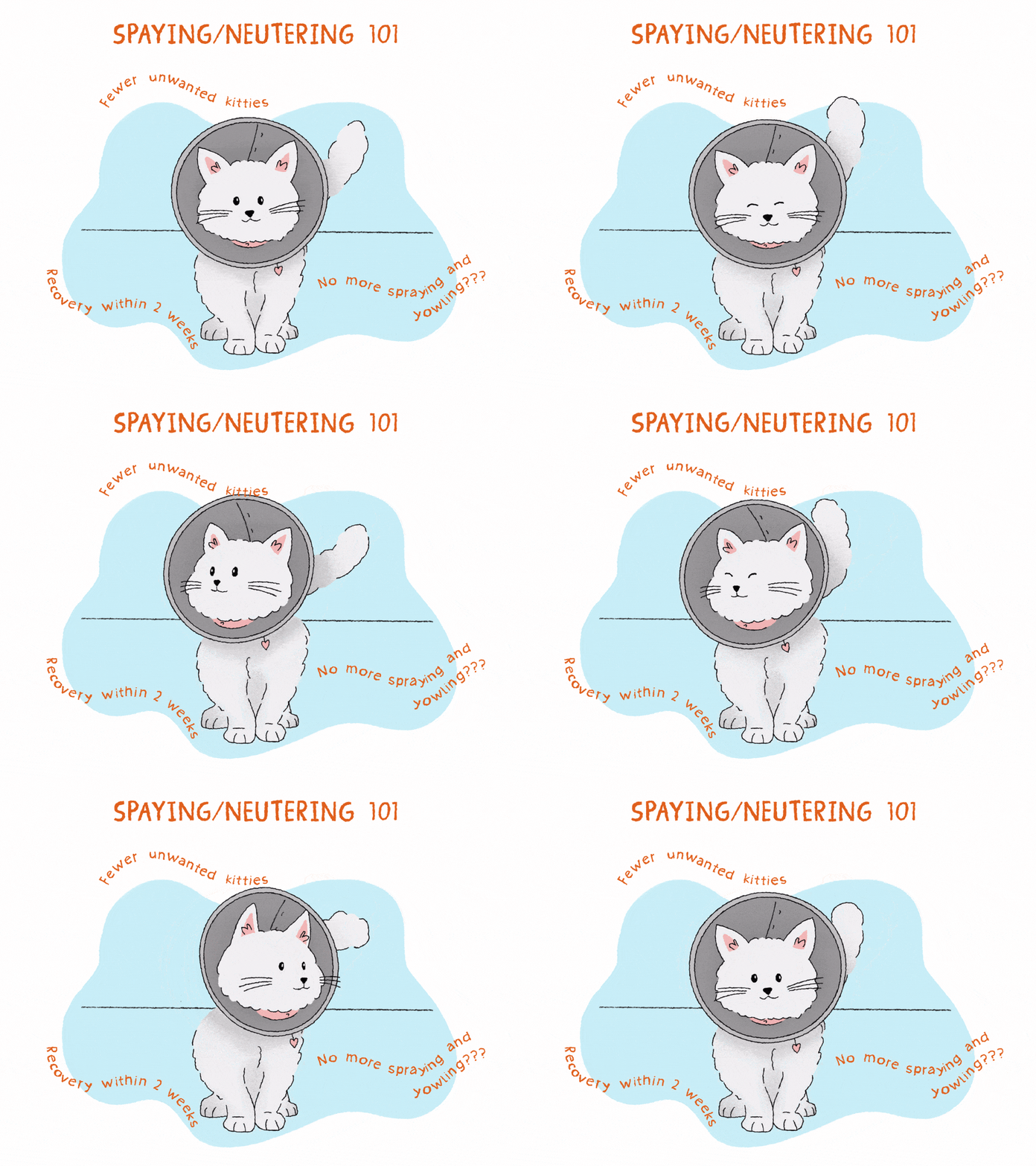
Neutered cats show less aggressive behavior. They tend to be calmer and less likely to spray urine. Early neutering reduces loud yowling and restlessness. Cats focus more on playing and bonding with owners. It also lowers the risk of fighting with other cats. This helps create a peaceful home environment for everyone.
Risks Of Late Neutering
Neutering a cat is best done early in life. Delaying neutering can cause problems. Older cats face more risks during and after the surgery. These risks affect the cat’s health and behavior. Understanding these risks helps owners make better choices for their pets.
Health Complications
Older cats may have hidden health issues. Surgery can be harder for cats with heart or kidney problems. Recovery takes longer in older cats. They may face infections or slow healing. Anesthesia risks grow as cats age. Late neutering might increase the chance of tumors. Early surgery helps avoid many health issues.
Behavioral Challenges
Cats neutered late may keep some unwanted behaviors. Spraying and marking territory can continue. Aggression towards other animals might stay. Roaming and fighting risks rise. These behaviors can cause injuries or stress. Neutering early reduces these habits better. Older cats may need more training and patience.
Signs Your Cat Is Ready
Knowing when your cat is ready for neutering helps ensure the best care. Watch for clear signs that show physical and behavioral changes. These signs indicate your cat is growing and maturing.
Understanding these signs can guide you to choose the right time for neutering. It helps avoid health risks and supports your cat’s well-being.
Physical Development Indicators
Your cat’s body shows important changes before neutering. Look for testicles that have dropped fully in male cats. This usually happens between 4 to 6 months old.
The size and weight of your cat also matter. Most vets suggest neutering when cats reach about 2 pounds. This weight means they are strong enough for the surgery.
Coat quality can improve as your cat grows. A shiny and smooth coat often signals good health and readiness. Check teeth, too; permanent teeth usually come in by 6 months.
Behavioral Cues
Behavior changes show your cat is reaching maturity. Male cats may start spraying or marking territory with strong smells. This marks the start of sexual behavior.
Some cats become more restless or vocal. They might roam farther from home or show interest in other cats. These are clear signs of hormonal changes.
Female cats may go into heat, showing loud meowing and restlessness. These behaviors indicate they are ready for neutering to prevent unwanted litters.
Neutering Older Cats
Neutering is not only for young cats. Older cats can benefit too. It helps reduce health risks and unwanted behaviors. Age alone does not prevent neutering. Careful checks make sure it is safe for older cats.
Older cats may need extra attention before surgery. Their health must be strong enough to handle the operation. The right care helps them recover well after neutering.
Assessing Health For Surgery
Veterinarians perform thorough exams before neutering older cats. Blood tests check organ function and detect diseases. Heart and lungs are checked to ensure good health. Any health problems are treated before surgery. This reduces risks and keeps your cat safe.
Older cats may have hidden health issues. Tests help find these early. Clear health status helps vets plan the best surgery method. Proper preparation improves surgery success and cat comfort.
Recovery Expectations
Older cats usually take longer to heal than young cats. They may need more rest after surgery. Pain control is important for a smooth recovery. Watch for signs of infection or discomfort. Keep the cat calm and in a quiet place.
Follow the vet’s advice for wound care and medication. Regular check-ups help track healing progress. With good care, most older cats recover well from neutering.

Credit: icatcare.org
Veterinarian Recommendations
Veterinarians play a key role in deciding the best age for a cat to be neutered. They evaluate each cat’s health and age to ensure a safe surgery. Most vets agree that cats can be neutered at many different ages. The focus is on the cat’s overall health and readiness for surgery.
Older cats may need extra checks to confirm they are fit for anesthesia. Young kittens usually have fewer risks but still require proper care. Veterinarians also provide clear instructions for before and after the procedure. Following these guidelines helps cats heal faster and avoid complications.
Pre-surgery Checks
Veterinarians perform a full health exam before neutering. This includes checking the cat’s weight and vital signs. Blood tests may be done to assess organ function. These tests reduce risks during surgery. Vets ask about the cat’s medical history and any current illnesses. This information helps tailor the care plan.
Post-surgery Care Tips
After surgery, cats need a quiet and safe place to rest. Vets recommend limiting activity for several days. Monitor the surgery site for swelling or redness. Keep the area clean and dry to prevent infection. Pain relief medications may be prescribed. Follow all vet instructions on feeding and medication. Regular check-ups ensure the cat recovers well and stays healthy.
Credit: www.banfield.com
Frequently Asked Questions
How Old Should A Cat Be For Neutering?
Cats can be neutered as early as 8 weeks old, but commonly around 4 to 6 months.
Can Older Cats Still Be Neutered Safely?
Yes, older cats can be neutered safely with a vet’s checkup and care.
Does Neutering Affect A Cat’s Health At Any Age?
Neutering usually improves health and reduces risks of certain diseases at any age.
What Is The Best Age To Neuter A Kitten?
The best age is between 4 to 6 months before they reach sexual maturity.
Can Very Young Kittens Handle Neutering Surgery?
Young kittens over 8 weeks can handle surgery with proper vet care and anesthesia.
Why Delay Neutering For Older Cats?
Delays may happen due to health checks or vet advice, but neutering is still possible.
Conclusion
Cats can be neutered at many ages, even as adults. Early neutering helps prevent health and behavior problems. Older cats can still benefit from neutering with proper care. Talk to your vet to decide the best time. Neutering keeps cats healthier and happier.
Don’t wait too long to make the choice. Every cat deserves a safe and healthy life. Take action today for your cat’s well-being.
As an Amazon Associate, I earn from qualifying purchases.