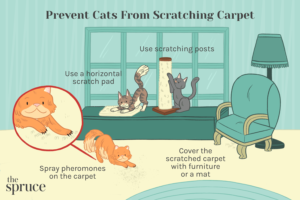
Is your carpet looking more like a scratching post? If your cat’s claws are turning your floors into a mess, you’re not alone—and you can fix it.
You don’t have to choose between keeping your carpet safe and letting your cat be happy. In this post, you’ll discover simple and effective ways to stop your cat from scratching the carpet. Keep reading, because by the end, your home will stay beautiful, and your furry friend will stay content.

Credit: www.amazon.com
Why Cats Scratch
Cats scratching the carpet can be frustrating for many pet owners. Understanding why cats scratch helps address this behavior better. Scratching is a natural and important action for cats. It keeps them healthy and happy. Below are the main reasons why cats scratch.
Natural Instincts
Scratching is part of a cat’s natural behavior. Wild cats scratch trees and surfaces to stretch their muscles. This action helps keep their bodies flexible and strong. Even indoor cats have this instinct. They need to scratch to feel good and stay active.
Marking Territory
Cats use scratching to mark their space. When cats scratch, they leave visible marks and scent. Special glands in their paws release a scent only other cats can smell. This tells other cats that the area belongs to them. It helps cats feel safe and secure in their home.
Claw Maintenance
Scratching helps cats keep their claws sharp and healthy. It removes the outer old layer of their claws. This process keeps their claws strong and ready for climbing or hunting. Scratching also stops claws from growing too long or getting damaged.
Identifying Triggers
Understanding what causes your cat to scratch the carpet helps stop the behavior. Cats scratch for many reasons. Pinpointing these triggers is the first step to protect your carpet and keep your cat happy.
Stress And Anxiety
Cats feel stress from changes in their environment. Moving to a new home or new people can upset them. Scratching may help cats feel calmer. Watch for signs like hiding or sudden aggression. These signs show your cat feels anxious.
Boredom And Play
Cats need fun and exercise every day. Without toys or playtime, they may scratch the carpet. Scratching is a way to burn energy. Provide toys and play sessions. This reduces boredom and stops unwanted scratching.
Environmental Factors
Look at your cat’s surroundings. Sharp smells, loud noises, or new furniture can cause discomfort. Cats may scratch to mark their space. Keep their area quiet and safe. Change anything that seems to upset your cat.
Protecting Your Carpet
Protecting your carpet from cat scratching helps keep your home clean and damage-free. Cats scratch to mark territory and sharpen claws. Stopping this behavior preserves your carpet’s look and texture.
Use simple tools and techniques to guard your carpet. These methods make scratching less attractive for your cat. You can try carpet protectors, sprays, and coverings. Each option adds a layer of defense against claw damage.
Using Carpet Protectors
Carpet protectors are clear plastic mats placed on vulnerable spots. They create a tough surface that cats dislike scratching. These mats are easy to clean and move around. Place them in areas your cat targets most often. Protectors keep your carpet safe without changing your room’s look.
Applying Deterrent Sprays
Deterrent sprays have smells cats avoid. Spray these on your carpet edges and corners. The scent discourages cats from scratching those places. Use pet-safe sprays to avoid harm to your cat. Reapply the spray regularly to keep the effect strong.
Covering High-risk Areas
Cover high-risk carpet areas with rugs or mats. Choose tough materials that resist scratching. Move these covers to spots where your cat likes to scratch most. Covers shield the carpet and are easy to wash. Rotate covers to keep your space fresh and protected.

Credit: www.amazon.com
Alternatives For Scratching
Cats need to scratch. It helps them stretch and mark territory. Stopping them from scratching the carpet means giving them other options. Good alternatives can save your carpet and keep your cat happy.
Choosing The Right Scratching Posts
Pick scratching posts that suit your cat’s style. Some cats like tall posts to stretch fully. Others prefer horizontal pads to scratch flat. Make sure the material feels good to scratch. Sisal and cardboard are popular choices. Try different types to find what your cat likes best.
Encouraging Use With Catnip
Catnip makes scratching posts more attractive. Sprinkle some catnip on the post to catch your cat’s attention. Rub catnip oil on new posts to create interest. This helps your cat learn the post is for scratching. Positive feelings build around the post with catnip.
Positioning Posts Strategically
Place scratching posts where your cat spends time. Near their sleeping area is often a good spot. Corners also work well since cats like to stretch there. Avoid putting posts in hidden or hard-to-reach places. Easy access encourages regular use and protects your carpet.
Training Techniques
Training your cat to stop scratching the carpet takes time and effort. Using the right techniques can change your cat’s behavior. Training teaches your cat what is okay to scratch and what is not. It helps protect your carpet while keeping your cat happy. Here are some effective training methods.
Positive Reinforcement
Reward good behavior with treats or praise. When your cat uses a scratching post, give a treat. This shows your cat that good scratching brings rewards. Avoid punishment. It can make your cat scared or confused. Positive reinforcement encourages your cat to repeat good actions. Be quick to reward right after the behavior.
Redirecting Behavior
Gently move your cat away from the carpet. Guide your cat to a scratching post or pad. Use toys to attract your cat to the new spot. This helps your cat learn where to scratch safely. Offer rewards when your cat uses the correct place. Redirecting stops bad habits and builds new ones.
Consistency And Patience
Train your cat every day. Consistency helps your cat understand rules. Use the same commands and rewards each time. Be patient; change does not happen overnight. Your cat may try to scratch the carpet again. Stay calm and keep training steady. Over time, your cat will learn better scratching habits.
Maintaining Claw Health
Maintaining your cat’s claw health helps reduce carpet scratching. Healthy claws cause less damage and keep your cat comfortable. Proper care supports natural scratching habits in a safe way.
Regular Claw Trimming
Trim your cat’s claws every two to three weeks. Use special cat nail clippers for safety. Short claws cause less carpet damage and feel better for your cat. Be careful not to cut the pink part inside the claw. This part is sensitive and bleeds easily.
Soft Claw Caps
Soft claw caps cover the sharp tips of your cat’s claws. They protect furniture and carpets from scratches. These caps are glued on and last for weeks. They are safe and painless for your cat. Many pet owners find them a helpful solution.
Veterinary Advice
Ask your vet about your cat’s claw health. Some cats have fast-growing or weak claws. Your vet can recommend the best trimming tools or products. They can also check for any claw problems or infections. Regular check-ups keep claws healthy and strong.
Enriching Your Cat’s Environment
Enriching your cat’s environment helps reduce unwanted scratching. Cats scratch to mark territory and stretch muscles. Providing better options can protect your carpet. It keeps your cat happy and engaged.
Interactive Toys
Interactive toys keep cats busy and active. Toys like feather wands and laser pointers attract attention. They stimulate natural hunting instincts. Cats use their claws on toys instead of carpet. Rotate toys to maintain interest and excitement.
Playtime Routines
Set regular playtime sessions every day. Short, frequent sessions work best for cats. Play helps release energy and reduce stress. It also strengthens your bond with your cat. A tired cat scratches less on carpets.
Safe Outdoor Access
Outdoor access offers fresh air and new smells. A secure catio or leash walk provides safe exploration. Outdoor time satisfies a cat’s curiosity. It lowers boredom and reduces indoor scratching. Always supervise outdoor activities for safety.
Credit: www.comfortzone.com
Frequently Asked Questions
Why Does My Cat Scratch The Carpet Often?
Cats scratch to mark territory, sharpen claws, and stretch muscles. It’s natural behavior.
How Can I Protect My Carpet From Cat Scratches?
Use scratching posts, apply deterrent sprays, or cover carpet areas with mats.
What Types Of Scratching Posts Do Cats Prefer?
Cats like tall, sturdy posts with rough surfaces like sisal or carpet.
Can Nail Trimming Reduce Carpet Scratching?
Yes, regular nail trims can make claws less sharp and reduce damage.
Are There Safe Sprays To Stop Cats From Scratching Carpets?
Yes, citrus or bitter apple sprays repel cats without harming them.
How Do I Train My Cat To Stop Carpet Scratching?
Redirect scratching to posts, reward good behavior, and be patient and consistent.
Conclusion
Stopping your cat from scratching the carpet takes patience and care. Offer your cat a scratching post nearby. Use gentle training to guide good behavior. Protect your carpet with covers or sprays. Remember, cats scratch to stay healthy and happy.
With consistent effort, your carpet stays safe, and your cat stays content. Small steps make a big difference. Keep trying, and both you and your cat will benefit.
As an Amazon Associate, I earn from qualifying purchases.