Is your cat sneaking bites from other cats’ bowls? It can be frustrating when your furry friend gobbles up food not meant for them.
You want to keep your cat healthy and happy, but this habit might cause upset tummies or food fights. If you’re wondering how to stop your cat from eating other cats’ food, you’re in the right place. Keep reading, and you’ll discover simple, effective tips to solve this problem quickly and easily.
Your cats will thank you!

Credit: www.reddit.com
Why Cats Eat Each Other’s Food
Cats often eat each other’s food. This behavior can confuse pet owners. Understanding why cats do this helps solve the problem. Cats have natural instincts and needs that drive this action. Knowing these reasons makes it easier to manage mealtime peacefully.
Natural Curiosity And Hunger
Cats are curious by nature. They explore their surroundings, including food bowls. Sometimes, hunger pushes them to try other cats’ food. If one cat finishes early, another may check the empty bowl. This behavior is normal in multi-cat homes.
Food Preferences And Competition
Cats have different tastes and favorite foods. One cat may prefer wet food while another likes dry food. This difference leads to food swapping. Competition for the tastiest food can also cause cats to eat from each other’s bowls. Some cats try to control food to feel secure.
Health And Dietary Needs
Cats may seek different nutrients in other cats’ food. Some foods suit certain health needs better. A cat might eat another’s food to meet these needs. Special diets or allergies can make cats curious about other bowls. Watching their eating habits helps keep them healthy.

Credit: classactcats.com
Signs Your Cat Is Eating Others’ Food
Noticing that your cat is eating food meant for other cats can be tricky. Cats are sneaky and may eat from different bowls when you are not watching. Spotting signs early helps keep all your cats healthy and happy.
Empty Bowls And Food Disappearance
One clear sign is empty bowls. If your cat’s food is gone too fast, another cat might be eating it. Watch the food bowls after mealtime. Check if some bowls are always empty while others still have food. This can show which cats are sharing or stealing food.
Weight Changes And Behavior Shifts
Sudden weight gain or loss is another sign. Cats eating extra food may gain weight quickly. Cats missing meals might lose weight. Also, watch for changes in behavior. Cats eating others’ food might seem restless or aggressive at mealtime. Some may hide or become very hungry more often.
Separate Feeding Areas
Separate feeding areas help keep each cat’s food safe. Cats can be possessive about their meals. They may eat from another cat’s bowl if food is too close. Setting up separate spaces for each cat reduces this problem. Each cat feels secure and less stressed during mealtime. This simple change can improve your cats’ behavior and health.
Choosing The Right Spots
Pick quiet places for each cat’s feeding area. Avoid noisy or busy rooms. Cats prefer calm and peaceful spaces for eating. Use different rooms or corners to spread out feeding bowls. Make sure each spot has good lighting and is easy to clean. Keep water bowls near food areas but not too close. This helps cats eat comfortably and without distractions.
Using Barriers And Feeding Stations
Barriers stop cats from crossing into others’ feeding zones. Use baby gates or low fences to block access. Feeding stations with walls or partitions work well too. These stations create a private space for each cat. They prevent food stealing and reduce mealtime stress. Try placing bowls inside boxes or under small tables. This method helps cats focus on their own food.
Scheduled Feeding Times
Scheduled feeding times help control your cat’s eating habits. Cats learn to expect food at set times. This reduces their urge to eat other cats’ food. A clear routine creates calm and order during mealtime.
Benefits Of Routine
Routine helps your cat feel secure. Predictable mealtimes reduce anxiety and begging. Cats eat less out of stress or boredom. Scheduled feeding stops overeating and weight gain. It encourages healthy digestion and better behavior.
How To Implement Timed Feeding
Start by choosing fixed times for meals. Feed your cat two or three times a day. Use a timer or alarm to stay consistent. Remove uneaten food after 20 minutes. This teaches your cat to eat when food is available only.
Keep each cat’s food in separate areas. This prevents one cat from stealing others’ food. Watch your cat’s reaction and adjust timing if needed. Patience is key to forming new habits.
Use Of Interactive Feeders
Interactive feeders help stop cats from eating other cats’ food. These feeders keep cats busy and slow down their eating. They also make mealtime fun and less stressful. Using interactive feeders can reduce food guarding and overeating problems.
Slow Feeders To Control Eating Speed
Slow feeders have small holes or ridges. Cats must work harder to get the food out. This makes them eat slower and chew more. Eating slowly helps cats feel full faster. It stops one cat from finishing another’s food too quickly.
Puzzle Feeders For Mental Engagement
Puzzle feeders hide food inside compartments or shapes. Cats solve puzzles to get their meal. This keeps their mind active and focused on their food. Puzzle feeders prevent boredom and reduce the chance of stealing food. Cats enjoy the challenge and eat their own meal calmly.
Monitor And Adjust Diets
Monitoring and adjusting your cats’ diets can help stop one cat from eating another’s food. Cats often eat others’ food because they feel hungry or want variety. Understanding their diet needs helps keep them satisfied and reduces stealing food.
Ensuring Nutritional Needs Are Met
Each cat has unique nutrition needs based on age, size, and health. Feeding the right amount and type of food is important. Balanced meals help cats feel full and healthy. If a cat feels hungry, it might try eating other cats’ food. Offer meals with enough protein and fat for energy. Also, provide fresh water at all times to support digestion. Observe your cats during mealtime to ensure they eat their own food.
Consulting A Veterinarian
A vet can check if a cat’s diet is right. Some cats have medical issues causing increased hunger. Your vet can suggest special diets or supplements. They can also rule out health problems like diabetes or parasites. Follow vet advice on feeding schedules and food types. Regular check-ups help keep your cats healthy and less likely to steal food.
Training Techniques To Discourage Behavior
Training your cat to stay away from other cats’ food takes patience and clear steps. Cats learn best when you show them what you want, not just what you don’t want. Using simple training techniques helps your cat understand the right behavior. Consistent practice makes a big difference. Start with small actions and reward good habits.
Positive Reinforcement
Reward your cat when it eats only its food. Use treats or gentle praise. This helps your cat link good behavior with rewards. Offer a small treat right after your cat finishes its meal. This encourages your cat to focus on its own food. Avoid scolding or punishment, as it can cause fear and confusion.
Deterrents And Commands
Use gentle commands like “no” or “leave it” to stop your cat from eating others’ food. Say the command firmly but calmly. Use a spray of water or a soft noise as a deterrent if needed. Place physical barriers like baby gates or feeding stations to separate cats during meal times. This helps prevent food stealing without stress.
Credit: closerpets.com
Considerations For Multi-cat Households
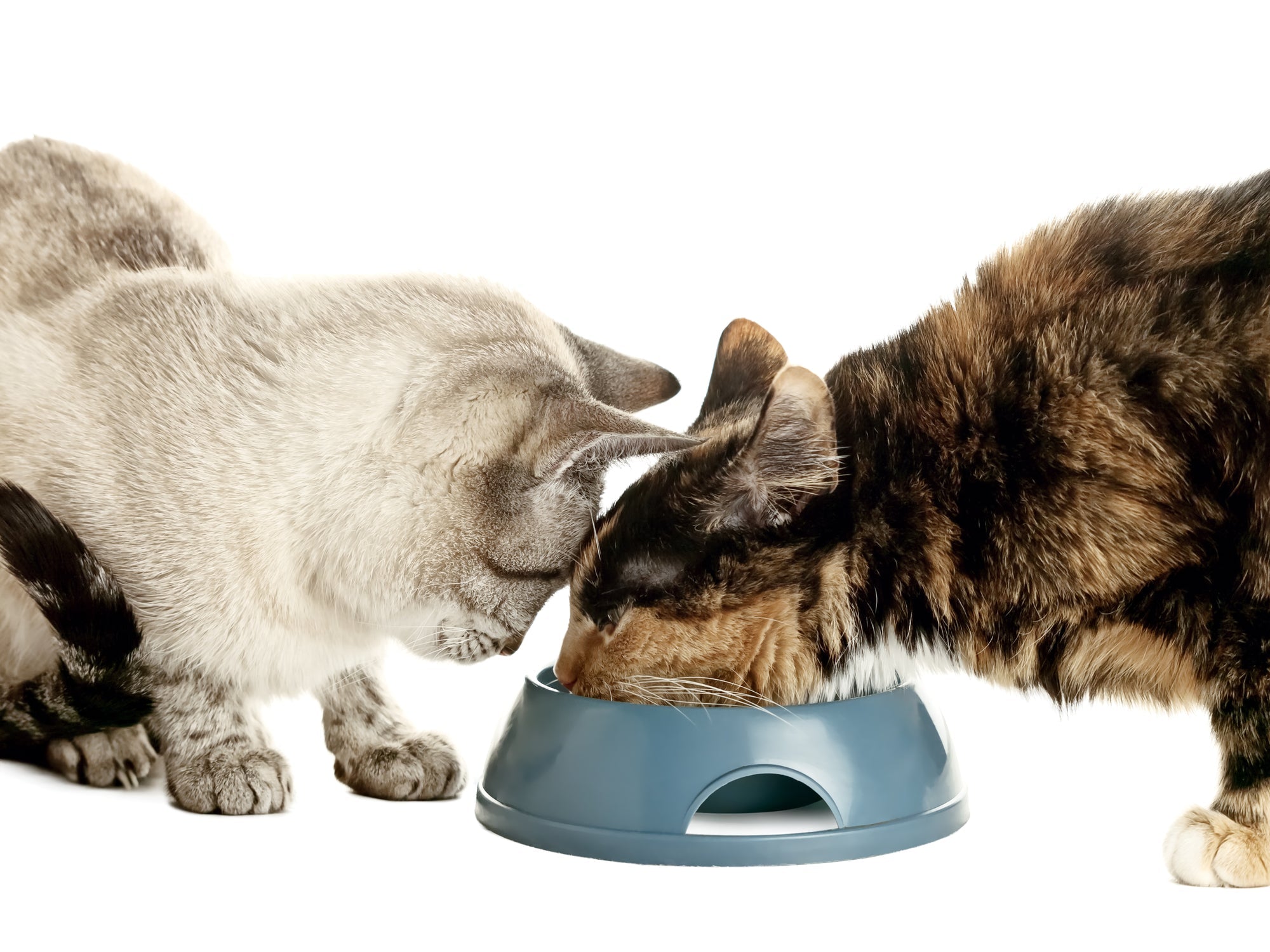
Living with more than one cat means paying attention to their interactions. Cats have different personalities and needs. This affects how they eat and share food. Understanding these factors helps keep peace during mealtime. It also stops one cat from eating another’s food.
Managing Social Dynamics
Cats form social groups with clear boundaries. Some cats are shy, others are bold. Bold cats may try to eat the food of shy cats. This causes stress and fights. Watch how your cats behave around food. Separate meals if you notice tension. Place food bowls apart to reduce competition. Give shy cats a quiet place to eat. Respect each cat’s space and pace during feeding time.
Feeding Multiple Cats Effectively
Offer enough food for all cats. Use separate bowls for each cat. Keep bowls in different rooms or corners. Feed cats at the same time to avoid waiting. Try timed feeders to control access. This stops one cat from eating too much. Observe your cats’ eating habits daily. Adjust portions and feeding spots as needed. Consistency helps cats feel secure and less likely to steal food.
Frequently Asked Questions
How Can I Stop My Cat From Eating Other Cats’ Food?
Separate feeding areas and feed cats at the same time to prevent food stealing.
Why Does My Cat Eat Other Cats’ Food?
Cats may eat others’ food due to hunger, curiosity, or preference for that food.
What Are The Best Feeding Setups For Multiple Cats?
Use separate bowls in different rooms or use feeding stations with doors.
Can Feeding Schedules Reduce Food Stealing Among Cats?
Yes, regular feeding times help cats know when to eat and reduce stealing.
Does Using Automatic Feeders Help Keep Cats From Stealing Food?
Automatic feeders can control portions and timing, limiting access to other cats’ food.
How Do I Train My Cat To Eat Only Its Food?
Reward your cat for eating its food and gently redirect it if it tries others.
Conclusion
Stopping your cat from eating other cats’ food takes patience and care. Set clear feeding areas for each cat. Offer enough food and keep mealtimes consistent. Use barriers or separate rooms if needed. Reward good behavior with praise or treats.
Watch your cats closely during feeding times. Small changes can lead to big improvements. Your cats will enjoy their own meals more. Keep trying, and soon mealtime will be peaceful for all.
As an Amazon Associate, I earn from qualifying purchases.