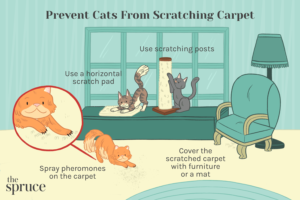
Bringing a stray cat into your home can be a rewarding experience, but teaching it to use a litter box might feel challenging. If you want your new furry friend to stay clean and comfortable, litter training is the first step.
You might wonder how to start or if it’s even possible with a stray. The good news is, with the right approach and a little patience, you can help your cat learn quickly. Keep reading to discover simple, effective tips that make litter training easy for both you and your cat.
Assessing Your Stray Cat’s Behavior
Assessing your stray cat’s behavior is the first step in litter training. Understanding how the cat acts can help create a smooth training process. Each cat has unique habits and needs. Observing these habits gives clues about their comfort and health. This knowledge guides you to set up the right environment for training.
Observing Natural Habits
Watch the cat’s daily routine closely. Notice where the cat likes to go to the bathroom. Some cats prefer quiet, hidden spots. Others may choose open areas. Pay attention to how often the cat uses these spots. Look for signs that show the cat’s comfort level. This helps you know what kind of litter box to provide.
Evaluating Health And Comfort
Check the cat for any signs of illness. A sick cat may avoid using a litter box. Look for changes in eating or drinking habits. Notice if the cat seems stressed or scared. A comfortable cat learns faster. Create a calm space with soft bedding and easy access to the litter box. This encourages the cat to use it regularly.
Choosing The Right Litter Box
Choosing the right litter box is a key step in litter training a stray cat. The box must feel safe and comfortable. This helps the cat learn where to go. A good litter box makes a big difference in training success.
Size And Accessibility
The litter box should be large enough for the cat to move freely. Small boxes can make cats feel trapped. This may cause accidents outside the box. Stray cats often prefer easy access. A low entry side helps cats get in and out without trouble. Make sure the box fits well in your space but is still roomy for the cat.
Types Of Litter Boxes
Open litter boxes offer more space and fresh air. Some cats like the openness and feel less confined. Covered boxes give privacy and reduce odors. But some cats may feel trapped inside. Self-cleaning boxes save time but can scare shy cats. Simple, easy-to-clean boxes often work best for stray cats. Choose based on your cat’s comfort and your cleaning routine.
Selecting Suitable Cat Litter
Selecting the right cat litter plays a key role in training a stray cat to use a litter box. The litter must feel comfortable and safe for the cat. Cats can be very picky about the texture and smell of their litter. Choosing the right type helps avoid accidents and encourages good habits. This section explains the main types of cat litter to help you pick the best one for your stray cat.
Clumping Vs Non-clumping
Clumping litter forms solid clumps when wet. This makes cleaning easier and helps control odor. Many cats prefer clumping litter because it feels softer. Non-clumping litter absorbs moisture but does not form clumps. It may require more frequent changing. Some cats like the texture of non-clumping litter better. Try both types to see which your cat likes most.
Scented Or Unscented Options
Scented litter has added fragrances to mask odors. This might be strong for some cats. Unscented litter has no added smell. Most stray cats prefer unscented litter because it smells more natural. Strong scents can scare or confuse cats. Using unscented litter can make your cat feel more comfortable.
Setting Up The Litter Area
Setting up the litter area is the first step to help a stray cat learn where to go. This space must feel safe and comfortable. A well-chosen spot encourages the cat to use the litter box. Keep the area calm and easy to reach. Cleanliness also plays a big role in making the cat happy to use the litter.
Quiet And Private Location
Choose a quiet corner away from loud noises. Stray cats often feel scared in busy places. A private spot helps them relax. Avoid areas near washing machines or heavy traffic. A calm place makes the cat more likely to use the litter box.
Easy Access And Cleanliness
Place the litter box where the cat can reach it easily. Avoid high shelves or closed rooms. The cat should get in and out without trouble. Keep the box clean every day. Remove waste and refresh the litter often. A clean box invites the cat to use it again and again.
Introducing The Stray Cat To The Litter Box
Introducing a stray cat to a litter box is the first step in helping it feel at home. Stray cats may not know how to use one, so patience is key. The goal is to make the litter box a safe, comfortable place for them. This process takes time but can lead to great success.
Gentle Approach And Patience
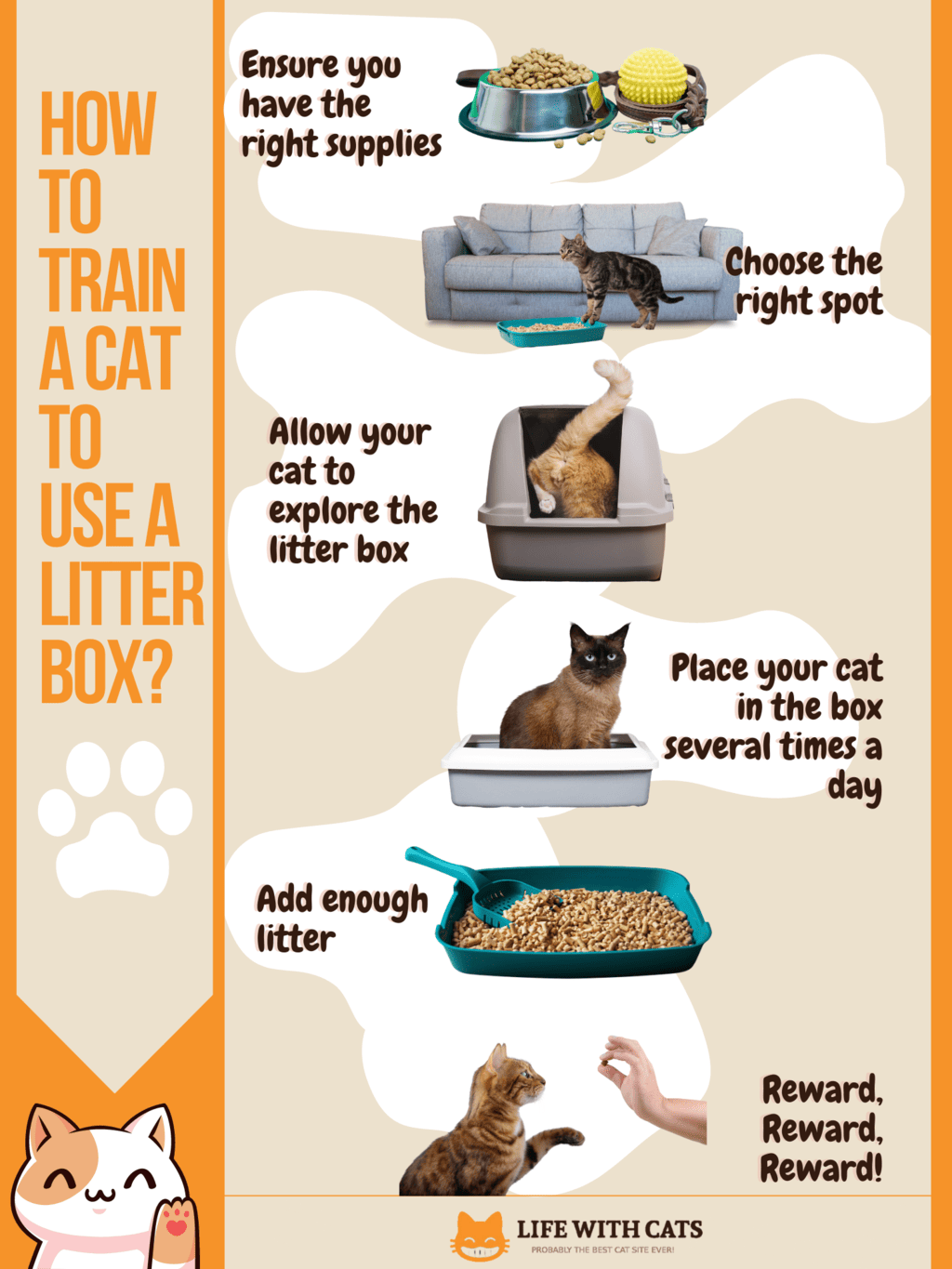
Start by placing the litter box in a quiet, low-traffic area. Let the cat see and sniff the box without pressure. Avoid forcing the cat inside. Speak softly and move slowly to reduce fear. Give the cat time to get used to the new object. Watch for signs of stress or discomfort and adjust as needed.
Encouraging Exploration
Allow the cat to explore the litter box at its own pace. You can gently place the cat near the box after meals or naps. Use a small amount of used litter to attract the cat. Praise calm behavior and curiosity. Keep the box clean to encourage use. Repeated, positive experiences will build trust and habit.
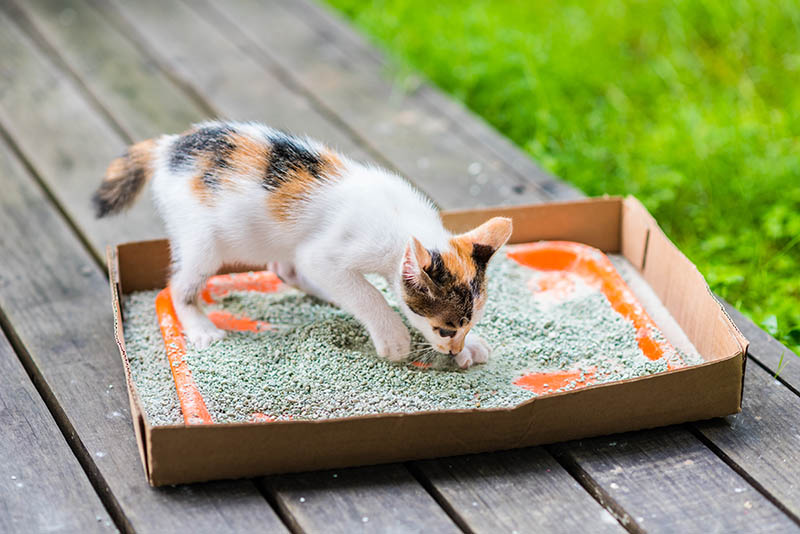
Credit: www.catster.com
Establishing A Routine
Establishing a routine helps a stray cat feel safe and understand expectations. Cats thrive on consistency. Feeding and litter times should follow a predictable schedule. This routine guides the cat to use the litter box regularly. It also reduces accidents and stress for both you and the cat.
Feeding And Litter Times
Feed the cat at the same times daily. After eating, cats usually need to use the bathroom. Place the cat near the litter box after meals. Keep the litter box clean and in a quiet spot. The cat will learn to associate eating with litter box use.
Positive Reinforcement
Praise the cat softly when it uses the litter box. Offer small treats to encourage good behavior. Avoid punishment; it scares the cat and slows training. Reward builds trust and helps the cat repeat the behavior. Consistent positive feedback speeds up litter training success.
Dealing With Challenges
Training a stray cat to use a litter box comes with many challenges. Strays may have habits and fears that make training slow. Patience and care help overcome these problems. Understanding common issues helps you stay calm and consistent. This section covers handling accidents and managing fear and anxiety.
Handling Accidents
Accidents are normal during litter training. Clean the area quickly using an enzyme cleaner. Avoid strong-smelling cleaners that may scare the cat. Never punish the cat after accidents. Punishment causes fear and makes training harder. Instead, gently guide the cat back to the litter box. Place the cat in the box after meals and naps. Keep the litter box clean to encourage use. Use unscented, clumping litter for better results. Watch for patterns in accidents to adjust training.
Addressing Fear And Anxiety
Stray cats often feel scared in new homes. Loud noises and sudden movements increase their anxiety. Create a quiet, safe space with hiding spots. Let the cat explore at its own pace. Use soft voices and slow actions around the cat. Provide food, water, and litter box in the same area. Offer treats to build trust over time. Avoid forcing the cat to use the litter box. Calm and gentle care helps the cat feel secure.
Maintaining Hygiene And Health
Maintaining hygiene and health is key when litter training a stray cat. A clean environment helps the cat feel safe. It also prevents bad smells and sickness. Keeping the litter box tidy shows the cat where to go. Healthy habits make the training process faster and easier.
Regular Cleaning Tips
Clean the litter box every day. Remove clumps and waste to keep it fresh. Wash the box with mild soap once a week. Avoid strong smells that can scare the cat. Use fresh litter each time you clean. Place the box in a quiet, easy-to-reach spot. This helps the cat use it without stress.
Monitoring For Medical Issues
Watch the cat’s litter box habits closely. Changes can signal health problems. Look for signs like frequent urination or blood in the litter. Check if the cat avoids the box or strains to use it. These may mean infections or other illnesses. Take the cat to a vet if you see any signs. Early care keeps the cat healthy and happy.
When To Seek Professional Help
Training a stray cat to use a litter box can be tough. Sometimes, you may find your efforts are not enough. Knowing when to seek professional help saves time and stress. Experts can provide guidance tailored to your cat’s needs. They can spot problems you might miss.
Behavioral Experts
Behavioral experts study animal habits and actions. They help with cats that refuse to use the litter box. These experts identify stress, anxiety, or fear causing the problem. They suggest steps to change your cat’s behavior gently. Their advice improves training success and your cat’s comfort.
Veterinary Advice
Visit a vet if your cat shows unusual litter habits. Health issues often cause accidents outside the box. Urinary infections, pain, or digestive problems affect litter use. A vet checks for medical causes and offers treatment. Early medical help prevents long-term problems and keeps your cat healthy.
Credit: www.lovemeow.com
Credit: loveeconomychurch.org
Frequently Asked Questions
How Long Does Litter Training A Stray Cat Take?
Litter training a stray cat usually takes one to two weeks with patience.
What Type Of Litter Is Best For Stray Cats?
Use unscented, clumping litter that feels soft and natural to encourage use.
How To Introduce A Stray Cat To A Litter Box?
Place the cat in the box after meals and naps to build habit.
Can Stray Cats Be Trained Without A Litter Box?
No, litter boxes are essential for indoor cats to keep your home clean.
What If The Stray Cat Avoids The Litter Box?
Clean the box often and try changing the litter type or location.
How To Keep The Litter Box Clean For Stray Cats?
Scoop daily and wash the box with mild soap weekly to prevent odors.
Conclusion
Training a stray cat to use a litter box takes time and patience. Start with a quiet, clean area for the box. Gently guide the cat to the litter and praise it when it uses the box. Watch for signs of discomfort or confusion.
Keep the litter clean to encourage good habits. Remember, every cat learns at its own pace. Stay calm and consistent to build trust. Soon, your stray will feel comfortable and use the litter box regularly. Small steps lead to big progress.
As an Amazon Associate, I earn from qualifying purchases.