Are you wondering if your 6-month-old cat is growing just right? Knowing how much your cat should weigh at this age is key to keeping them healthy and happy.
If your furry friend is too light or too heavy, it could signal a problem you need to catch early. You’ll discover the ideal weight range for a 6-month cat and simple tips to help you track their growth. Keep reading to make sure your kitten is on the right path to a strong, healthy adulthood.
Credit: flameharbor.com
Normal Weight Range For 6-month Cats
At six months old, cats grow fast and their weight changes quickly. Knowing the normal weight range helps keep your cat healthy. Most 6-month-old cats weigh between 5 to 9 pounds. This range depends on many things. Some cats might weigh a bit less or more and still be healthy.
Watching your cat’s weight gives clues about their health. A cat that is too light or too heavy may need a vet check. It is important to understand what affects your cat’s weight. These factors explain why weights can differ a lot.
Factors Influencing Weight
Activity level changes how much a cat weighs. Cats that play a lot burn more calories and stay slim. Cats that rest more may gain weight faster. Food quality and quantity also affect weight. Cats eating rich or too much food may get heavier. Illness can cause weight loss or gain. Regular check-ups help track these changes early.
Breed And Genetic Impact
Breed plays a big role in weight. Some breeds grow bigger and heavier by nature. Maine Coons are large cats and weigh more at six months. Siamese cats are usually smaller and lighter. Genetics passed from parents decide size and build. Knowing your cat’s breed helps set realistic weight goals.
Growth Stages Before 6 Months
Cats grow very fast during their first six months. This period shapes their size and health. Understanding their growth stages helps you track their progress. It also helps in providing the right care at the right time.
Each stage has clear signs in weight and physical changes. These signs tell you if your cat is growing well or needs help. Knowing these stages supports a happy and healthy cat life.
Weight Milestones
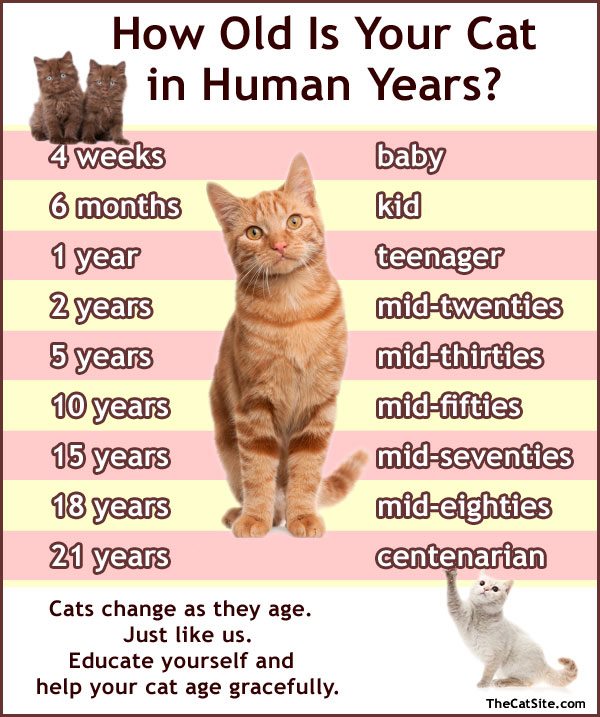
Kittens grow quickly in weight during the first months. At birth, they weigh about 3 to 4 ounces. By 4 weeks, they reach around 1 pound. At 3 months, many weigh between 3 to 4 pounds. By 6 months, cats often weigh 6 to 9 pounds. These numbers vary by breed and diet. Tracking weight helps spot problems early. Sudden weight loss or slow gain can signal health issues.
Physical Development
Physical changes happen fast before six months. Kittens start to walk and explore by 3 weeks. Their eyes open fully around 2 weeks old. At 8 weeks, they develop sharper teeth and claws. By 4 months, muscles become stronger and coordination improves. Fur thickens and patterns become clear. By 6 months, cats look more like adults. This stage shows their true size and shape. Watching these changes helps you know your cat’s health status.
Healthy Diet For Optimal Growth
A healthy diet plays a key role in a 6-month-old cat’s growth. Proper nutrition supports strong bones, muscles, and a shiny coat. Feeding the right food helps your cat reach a healthy weight and stay active.
Nutritional Needs
A 6-month cat needs balanced nutrients for growth. Protein is important for muscle development. Fats provide energy and support brain health. Vitamins and minerals keep bones strong and immune systems healthy. Choose high-quality cat food made for kittens. Avoid giving too many treats or human food. Fresh water should always be available.
Recommended Feeding Schedule
Feed your 6-month cat three to four small meals daily. This schedule keeps their energy steady and prevents overeating. Measure portions based on the food’s feeding guide. Adjust amounts if your cat gains too much or too little weight. Keep feeding times consistent to build good habits. Monitor your cat’s weight and body shape often.
Monitoring Your Cat’s Weight
Monitoring your cat’s weight is important for its health and happiness. Cats grow fast, and their weight changes as they get older. Keeping track of their weight helps catch any problems early. You can make sure your cat stays fit and active by watching for changes.
How To Weigh Your Cat
Weighing a cat is simple and can be done at home. Use a kitchen scale or a bathroom scale for best results. First, weigh yourself alone and note the number. Then, hold your cat and weigh yourself again. Subtract your weight from this number. The result is your cat’s weight.
Try to weigh your cat at the same time of day. Keep the cat calm and still during the process. Regular weigh-ins help you see if the weight changes over time.
Signs Of Underweight Or Overweight
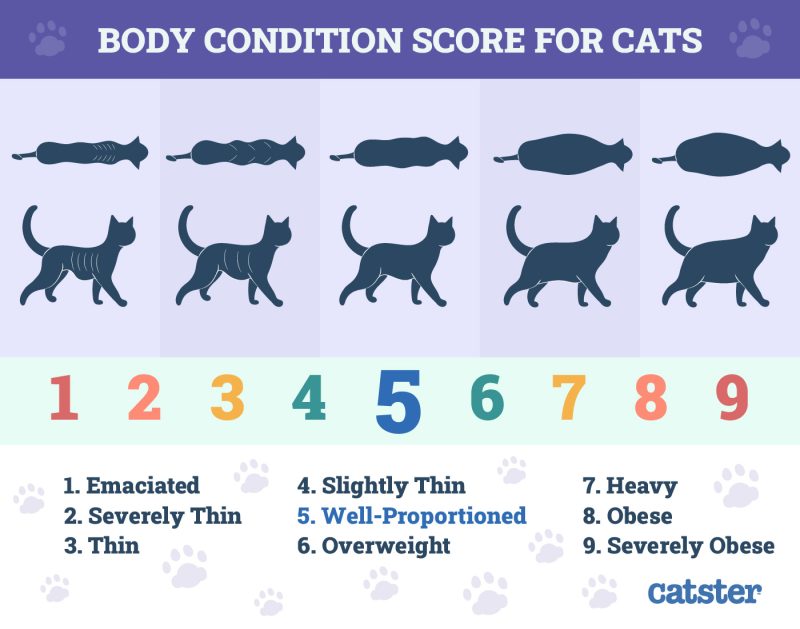
Watch your cat’s body for signs of being too thin or too heavy. Ribs should be easy to feel but not seen. If ribs stick out, your cat might be underweight. If you cannot feel ribs, your cat may be overweight.
Look at your cat from above and from the side. A healthy cat has a clear waistline. A round belly or fat pads on the hips show excess weight. If your cat seems weak or loses energy, weight might be the cause.
Common Growth Issues
Kittens grow fast, but some face problems that slow their growth. Common growth issues can affect a 6-month-old cat’s weight and health. Spotting these problems early helps your kitten stay strong and healthy.
Causes Of Poor Growth
Illnesses like parasites or infections can stop a kitten from gaining weight. Poor diet or not eating enough also causes slow growth. Stress from a new home or changes in environment may affect their appetite. Some kittens have genetic problems that affect how they grow.
When To Consult A Vet
Take your kitten to the vet if they are very thin or not gaining weight. Look for signs like vomiting, diarrhea, or weakness. The vet can check for infections or parasites. Early treatment can help your kitten grow normally and avoid serious health issues.
Credit: www.catster.com
Tips For Supporting Healthy Growth
Supporting your 6-month-old cat’s healthy growth is very important. At this age, cats grow fast and need care to stay strong and happy. Good habits help your cat reach a healthy weight and stay active. Here are some simple tips to help your kitten grow well.
Exercise And Activity
Exercise keeps your kitten’s muscles strong and bones healthy. Play with toys that make your cat run and jump. Short play sessions several times a day work best. Cats love chasing balls, feather wands, and laser pointers. These activities also reduce stress and stop boredom. A lively kitten is usually a healthy kitten.
Regular Vet Checkups
Regular vet visits track your kitten’s growth and health. The vet checks weight, teeth, and overall condition. Vaccines and parasite control are part of these visits. Early health issues can be caught and treated. Your vet can also advise on food and supplements. Keep a schedule for vet visits to ensure your cat stays fit.

Credit: cattree.uk
Frequently Asked Questions
How Much Does A 6 Month Cat Usually Weigh?
A typical 6 month old cat weighs between 5 and 7 pounds (2. 3 to 3. 2 kg).
Does Cat Breed Affect A 6 Month Cat’s Weight?
Yes, larger breeds like Maine Coons weigh more than smaller breeds at six months.
How To Know If My 6 Month Cat Is Underweight?
Check if ribs are visible or easily felt with no fat covering.
What Is A Healthy Weight Range For 6 Month Kittens?
Most healthy 6 month kittens weigh between 4 to 7 pounds (1. 8 to 3. 2 kg).
Can Diet Impact A 6 Month Cat’s Weight Gain?
Yes, a balanced diet helps kittens grow properly and maintain healthy weight.
Should I Consult A Vet About My 6 Month Cat’s Weight?
Consult a vet if your kitten is very thin or overweight for advice.
Conclusion
A healthy 6-month cat usually weighs between 5 and 7 pounds. Weight can vary by breed, diet, and activity. Watch your cat’s growth and check weight regularly. Keep a balanced diet and provide playtime daily. Visit the vet if weight changes suddenly or seems off.
Healthy weight helps your cat live longer and feel better. Care and attention make all the difference.
As an Amazon Associate, I earn from qualifying purchases.