Have you ever wondered how long you can leave your cat home alone without worrying? If you’re planning a trip or just a long day out, knowing the right amount of time your furry friend can be alone is important.
Your cat’s health and happiness depend on it. You’ll discover clear answers and practical tips to keep your cat safe and content while you’re away. Keep reading to find out what every cat owner should know before leaving their pet alone.

Credit: equipawspetservices.com
Cat Behavior And Alone Time
Cats have unique personalities and different needs for alone time. Understanding their behavior helps you care for them better. Some cats enjoy being alone, while others need company. Knowing how they act when alone can keep them happy and healthy.
Pay attention to your cat’s habits and mood during your absence. This knowledge guides how long you can leave them alone safely.
Social Needs Of Cats
Cats are often seen as independent animals. Yet, many enjoy social interaction. They like playing, petting, and talking with humans or other pets. Some cats need daily attention to feel secure. Others prefer quiet and solitude for hours. Age, breed, and past experiences affect their social needs. Kittens and young cats usually require more company. Older cats may rest more and want less interaction. Understanding your cat’s social needs helps prevent loneliness and boredom.
Signs Of Stress When Alone
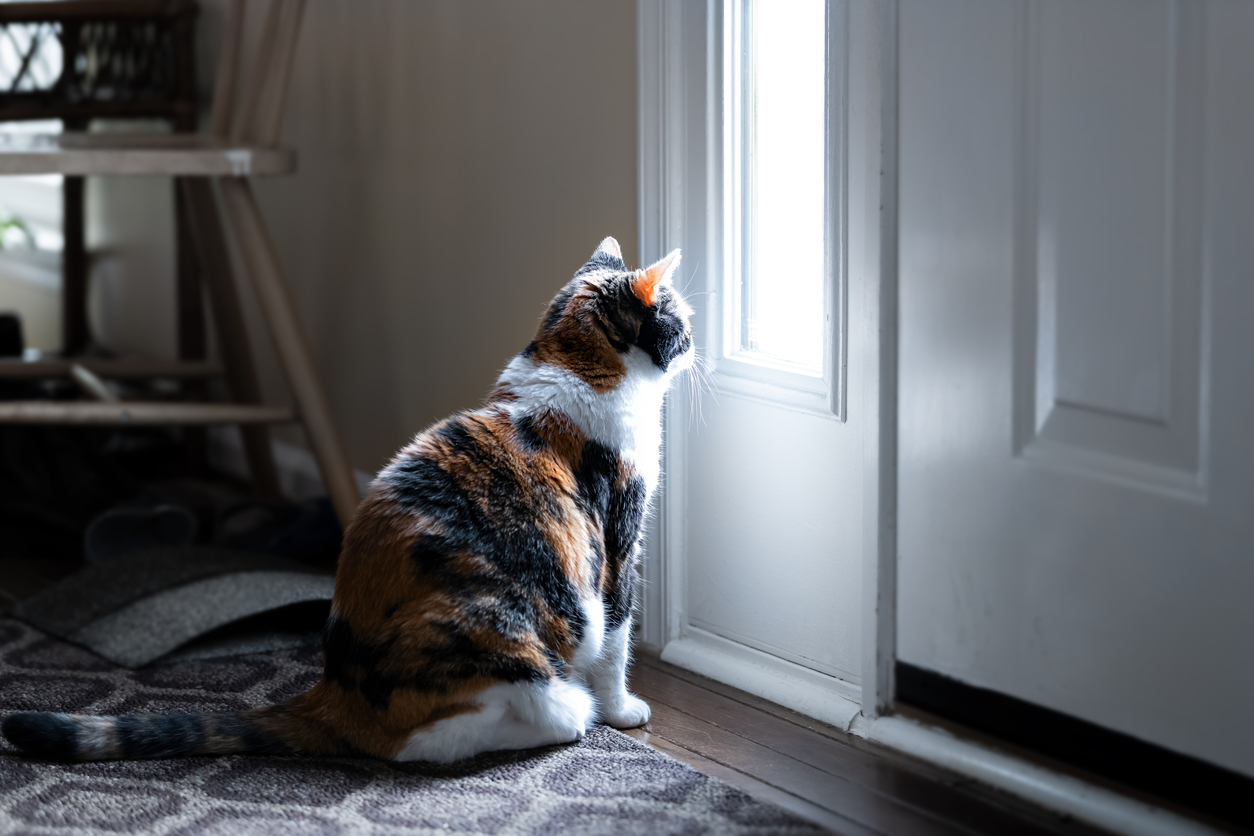
Stress in cats shows through changes in behavior. Common signs include excessive meowing or crying. Some cats may hide or avoid people after you return. Scratching furniture or chewing objects can also indicate stress. Loss of appetite or changes in litter box use are warning signs. Pacing or restlessness often means your cat feels anxious. Watching for these signs helps you act quickly. Reducing stress improves your cat’s well-being during alone time.
Credit: embassylakesanimalhospital.com
Safe Time Limits For Leaving Cats
Cats are independent, but they still need care and attention. Knowing safe time limits helps keep your cat healthy and happy. Leaving your cat alone for the right amount of time prevents stress and health risks. Below are guidelines for different time lengths and what affects your cat’s tolerance.
Short Absences
For short absences, cats can be left alone for up to 4-6 hours. During this time, they usually have enough water, food, and litter. Cats may enjoy quiet time or naps while you are away. Make sure their environment is safe and comfortable before leaving.
Extended Periods
Leaving a cat alone for more than 6 hours requires more planning. A maximum of 24 hours is generally safe if food and water are available. Beyond one day, cats need daily care for feeding and cleaning. For longer trips, ask a friend or pet sitter to check on them.
Factors Affecting Tolerance
Age and health affect how long a cat can stay alone. Kittens and older cats need more frequent care. A cat’s personality also plays a role; some get lonely or anxious faster. Environment matters too—safe, quiet spaces reduce stress during absences.
Preparing Your Home For Alone Time
Leaving a cat alone at home requires some planning. Cats need food, water, clean litter, and comfort. Preparing your home helps keep your cat safe and happy. It also reduces stress for both of you. Here are key steps to get your home ready for your cat’s alone time.
Food And Water Setup
Provide enough food for the entire time you will be gone. Use a timed feeder or leave multiple small portions. Fresh water is a must. Use a heavy bowl to avoid spills. Consider a water fountain to keep water fresh and encourage drinking.
Litter Box Maintenance
Clean the litter box before you leave. A clean box keeps your cat comfortable and prevents odors. If you will be gone longer than a day, add an extra box. Place boxes in quiet, easy-to-reach spots. Avoid areas with loud noises or heavy traffic.
Safe Spaces And Entertainment
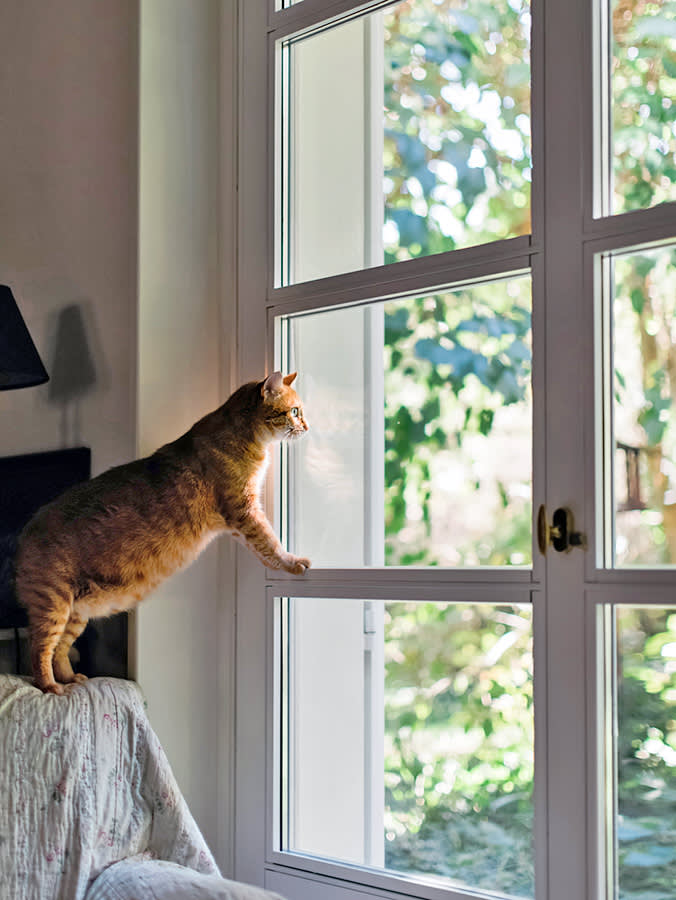
Create cozy spots for your cat to rest. Use soft beds or blankets in quiet corners. Provide toys to keep your cat busy. Puzzle feeders, balls, and scratching posts work well. Leave windows open with secure screens for fresh air and a view.
Credit: www.kinship.com
Technology To Monitor And Entertain
Technology helps pet owners watch and entertain cats when alone. It keeps cats busy and safe. It also gives owners peace of mind.
Pet Cameras
Pet cameras let owners see cats anytime. Many have two-way audio to talk to cats. Some even offer night vision for low light. Owners can check on cats and calm them remotely.
Interactive Toys
Interactive toys keep cats active and curious. These toys move or make sounds to catch cats’ attention. They stop boredom and encourage exercise. Some toys can be controlled from a phone.
Automated Feeders
Automated feeders give cats food on a set schedule. They help keep cats on a regular diet. These feeders reduce stress for cats and owners. Some models allow portion control to prevent overeating.
When To Ask For Help
Knowing when to ask for help is key to keeping your cat safe and happy. Cats can get lonely or stressed if left alone too long. They also need food, water, and a clean litter box every day. You might not always be able to care for them yourself. This is when asking for help is important. Help can come from people nearby or special services designed for pets.
Pet Sitters And Neighbors
Pet sitters are people who visit your home to care for your cat. They feed, play, and check on your pet’s health. A trusted neighbor can also help. They are close and can stop by often. This option keeps your cat in a familiar place. Your cat will feel less stressed and more comfortable.
Choose someone who knows cats well. Give clear instructions about your cat’s needs. Let them know about food, litter, and any medicine. This helps avoid any mistakes while you are away.
Boarding Options
Boarding means leaving your cat at a pet hotel or shelter. These places offer care all day long. Staff feed, clean, and watch your cat closely. They also provide social time and play. Boarding can be good for longer trips.
Visit the boarding place first. Check if it is clean and safe. Make sure the staff are friendly and experienced. Your cat will feel better in a calm, caring place. Boarding gives peace of mind when you cannot be home.
Health Considerations
Caring for a cat’s health is important when leaving them alone. Cats need proper attention to stay healthy and safe. Health needs affect how long a cat can be left alone. Understanding these needs helps keep your cat happy.
Medication Needs
Some cats require daily medicine. Missing doses can harm their health. Cats with medicine needs should not be left alone for long. A caregiver may be needed to give medicine on time. This keeps your cat safe and well.
Age And Health Impact
Young kittens and old cats need more care. They get sick easier and need more attention. Cats with health problems need frequent checks. Leaving them alone too long can cause issues. Healthy adult cats handle being alone better.
Frequently Asked Questions
How Long Can A Cat Be Left Alone Safely?
Cats can be left alone for 24 to 48 hours with enough food, water, and a clean litter box.
What Factors Affect How Long Cats Stay Alone?
Age, health, and personality affect how long a cat can be left alone comfortably.
Can Kittens Stay Alone At Home For Hours?
Kittens should not be left alone for more than a few hours because they need care and attention.
How To Prepare Your Cat For Being Alone?
Provide enough food, water, toys, and a safe space to keep your cat comfortable when alone.
What Signs Show A Cat Is Stressed Alone?
Cats may meow loudly, scratch furniture, or avoid food if they feel lonely or stressed.
Should I Hire A Pet Sitter For Long Absences?
A pet sitter is best for absences over 48 hours to ensure your cat’s needs are met.
Conclusion
Cats can stay alone for short times safely. Most cats do best with a few hours alone. Always provide food, water, and a clean litter box. Check on your cat often if away longer. Some cats handle alone time better than others.
Older or sick cats need more care and attention. Leave toys or distractions to keep them busy. Ask a friend or pet sitter to visit if needed. Your cat’s comfort and safety matter most. Keep these tips in mind to help your cat feel happy and secure.
As an Amazon Associate, I earn from qualifying purchases.