Moving a cat across the country can feel overwhelming. You want to keep your furry friend calm, safe, and comfortable during the trip.
But how do you make sure your cat handles the long journey without stress? If you’re worried about what to do, you’re in the right place. This guide will walk you through simple, effective steps to make moving your cat easier—for both of you.
Keep reading to learn how to prepare, pack, and travel with your cat so the move becomes a smooth experience.
Preparing Your Cat For The Move
Preparing your cat for a long move is very important. A move can be stressful for cats. Taking steps before the move helps your cat feel safe and calm. Start preparing well in advance to reduce anxiety. The right preparations make travel easier for both you and your cat.
Visit The Veterinarian
Schedule a visit to the vet before moving. The vet checks your cat’s health and updates vaccines. Ask for health records to carry with you. Request a health certificate if needed for travel. Discuss calming options if your cat gets nervous. The vet can give tips specific to your cat’s needs.
Update Identification Tags
Make sure your cat’s ID tags are current. Include your new phone number and address. Consider a microchip for extra security. Check that the microchip information is updated. Proper ID helps if your cat gets lost during the move. A collar with a tag is an easy way to identify your cat quickly.
Familiarize With The Carrier
Introduce the carrier to your cat early. Place it in a quiet, comfortable spot at home. Put treats and toys inside to encourage your cat. Practice short trips in the carrier for good experience. This makes the carrier feel like a safe place. A calm cat travels better and feels less stressed.

Credit: adventuringmillennial.com
Choosing The Right Travel Carrier
Choosing the right travel carrier is key to moving a cat across the country safely. The right carrier makes the trip less stressful for your cat and easier for you. It needs to be comfortable and secure to keep your cat calm during travel.
Size And Comfort
Pick a carrier big enough for your cat to stand and turn around. A cramped space causes stress and discomfort. Soft padding inside adds comfort. Your cat will feel safer in a cozy space. Avoid carriers that are too large, as they may cause your cat to slide around.
Ventilation And Security
Good airflow is important to keep your cat cool. Choose a carrier with plenty of ventilation holes or mesh panels. These also let your cat see outside, which can reduce anxiety. The carrier must close tightly and lock securely. This prevents your cat from escaping during travel.
Carrier Types
Hard-sided carriers offer strong protection from bumps and falls. They are easy to clean and very durable. Soft-sided carriers are lighter and easier to carry. They can fit under airplane seats and often have more ventilation. Look for carriers with sturdy handles or shoulder straps for easy transport.
Packing Essentials For The Journey
Packing for a cross-country move with a cat needs care and planning. The right items make the trip smooth and safe. Focus on essentials that keep your cat fed, calm, and healthy. Prepare well to avoid stress during travel.
Food And Water Supplies
Bring enough food for the entire trip. Use your cat’s regular food to avoid stomach problems. Pack portable bowls for food and water. Carry extra water to keep your cat hydrated. Offer water often, especially on warm days.
Comfort Items
Include your cat’s favorite blanket or bed. Familiar smells help reduce anxiety. Bring a few toys to keep your cat busy. A small towel can help clean paws or fur. Make the travel space cozy and quiet.
Health And Safety Gear
Carry your cat’s medical records and vaccination papers. Pack any medications your cat needs. Use a secure, comfortable carrier with proper ventilation. Include a leash and harness for safe breaks. A small first aid kit helps with minor injuries.

Credit: www.reddit.com
Traveling By Car With Your Cat
Traveling by car with your cat requires careful planning and care. Cats feel safe in familiar spaces, so keeping them secure helps reduce stress. A smooth car journey keeps your cat comfortable and calm.
Securing The Carrier
Use a sturdy, well-ventilated carrier for your cat. Place it where it won’t move during the drive. Seat belts or straps can hold the carrier in place. This prevents sudden shifts that scare your cat. Keep the carrier closed at all times for safety.
Maintaining A Calm Environment
Keep the car quiet and avoid loud noises. Speak softly to your cat to offer comfort. Avoid sudden movements or quick turns while driving. Covering the carrier with a light cloth can help reduce outside distractions. A calm space helps your cat feel secure.
Regular Breaks
Stop every few hours for a short break. Check on your cat without opening the carrier. Offer water if your cat is willing to drink. Do not let your cat roam outside the carrier. Breaks help reduce travel fatigue and keep your cat hydrated.
Flying With Your Cat
Flying with your cat requires careful planning and preparation. Cats can get stressed during travel. Knowing airline rules and choosing the right travel option helps keep your pet calm and safe. Prepare your cat for the flight to make the experience smoother.
Airline Policies
Each airline has its own rules for flying with pets. Check the airline’s website for pet travel policies. Some airlines limit the number of pets on board. Fees for pet travel also vary. Some require health certificates or vaccinations. Make sure to follow all guidelines to avoid issues at the airport.
Booking Direct Flights
Direct flights reduce travel time and stress for your cat. Avoid layovers that can cause delays and confusion. Book early to secure a spot for your pet. Airlines have limited pet spots on each flight. A direct flight keeps your cat in one place for less time.
In-cabin Vs Cargo Options
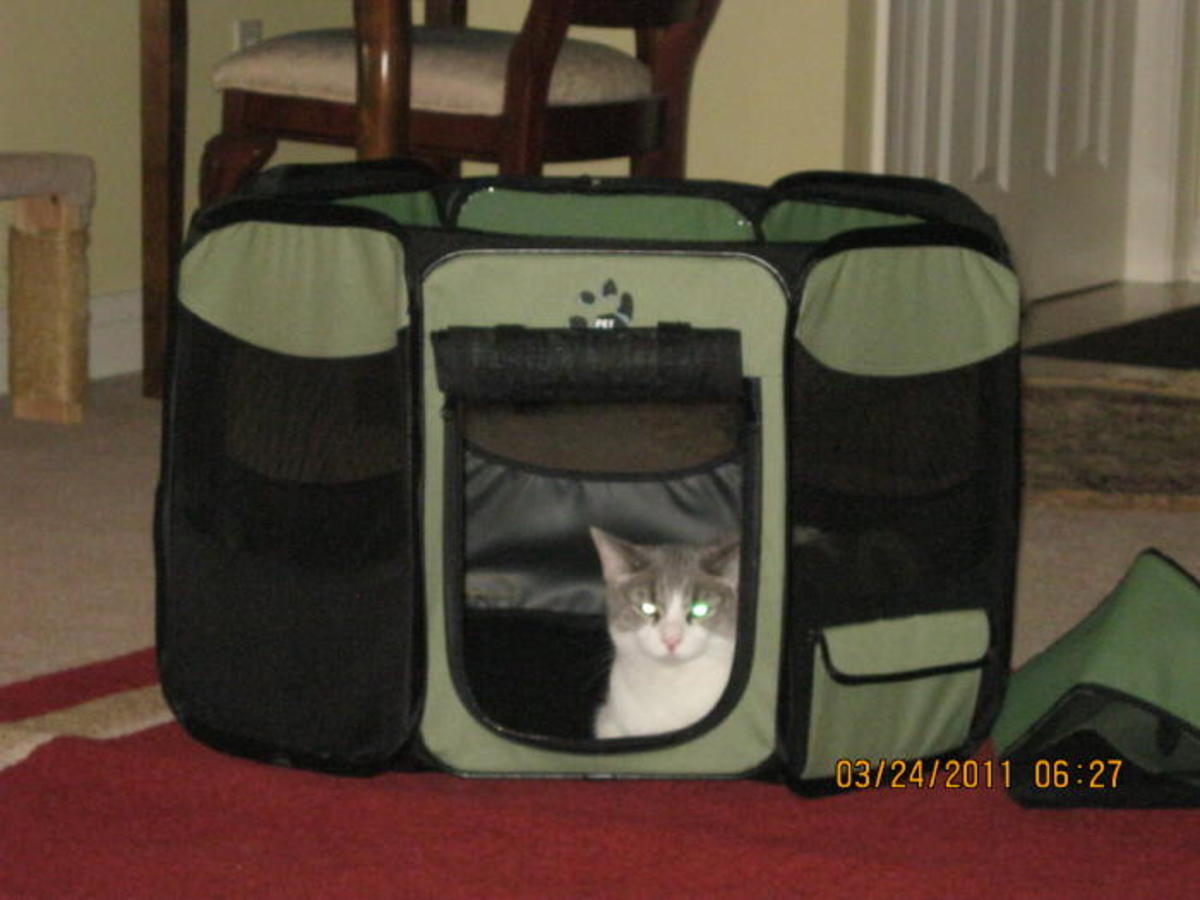
Small cats often travel in the cabin with you. Your cat stays in a carrier under the seat. This option lets you keep an eye on your pet. Larger cats may need to fly in the cargo hold. Cargo travel requires a sturdy, well-ventilated crate. Choose the option that suits your cat’s size and comfort best.
Credit: ventanasbrisa.com
Managing Stress During Travel
Traveling with a cat across the country can be stressful for both of you. Managing your cat’s stress helps keep them calm and safe. A relaxed cat travels better and feels more comfortable.
Stress can cause your cat to hide, meow loudly, or refuse food. Watching for stress signs lets you act quickly. Use simple techniques to calm your cat and make the journey smoother.
Calming Techniques
Talk softly to your cat during the trip. Gentle voices help reduce fear and anxiety. Bring a favorite blanket or toy to comfort your cat. Keep the carrier covered with a light cloth to block scary sights. Stop often for short breaks if driving, letting your cat rest quietly.
Using Pheromones And Medications
Pheromone sprays mimic natural calming scents. Spray the carrier before travel to soothe your cat. Some cats respond well to calming collars or diffusers at home. Ask your vet about safe medications for travel anxiety. Use any medicine only as directed by your vet.
Recognizing Signs Of Stress
Watch for rapid breathing or pacing inside the carrier. Yowling or scratching can mean your cat feels scared. Lack of appetite or hiding shows stress too. Recognizing these signs early helps you calm your cat faster. Stay calm yourself; cats sense your mood.
Settling In After Arrival
Moving a cat across the country is just the first step. Once you arrive, helping your cat settle in is very important. This time can be stressful for your cat. A calm and safe environment helps your cat adjust faster.
Patience is key. Give your cat time to get used to the new home. Small changes can feel big to a cat. A smooth transition makes your cat feel safe and loved.
Creating A Safe Space
Set up a quiet room for your cat. Include their bed, food, water, and litter box. Use familiar items from the old home. This gives your cat comfort and security. Let your cat explore the space at their own pace.
Maintaining Routine
Keep feeding times the same as before. Play and cuddle your cat regularly. Stick to the same type of food and toys. Routine helps your cat feel safe and less stressed. A steady schedule builds trust in the new place.
Introducing New Environment Gradually
Allow your cat to explore new rooms slowly. Open one door at a time. Watch how your cat reacts to new spaces. Avoid forcing your cat to explore quickly. Gradual introduction makes the new home less scary.
Frequently Asked Questions
How To Prepare A Cat For A Long-distance Move?
Start by visiting the vet for a health check and vaccinations. Use a comfy carrier and bring familiar toys.
What Is The Safest Way To Transport A Cat Cross Country?
Use a secure, well-ventilated carrier inside a car or plane cabin. Keep the cat calm and hydrated.
How To Keep A Cat Calm During A Cross-country Trip?
Speak softly, offer treats, and use a cozy blanket. Avoid loud noises and sudden movements.
Can Cats Travel In The Airplane Cabin With Owners?
Most airlines allow small cats in the cabin if they stay in an approved carrier under the seat.
How To Manage Cat’s Food And Water On A Long Trip?
Feed small meals and offer water regularly. Avoid feeding right before travel to reduce nausea.
Should I Update My Cat’s Id And Microchip Before Moving?
Yes, update all contact details on the ID tag and microchip to ensure your cat’s safety.
Conclusion
Moving a cat across the country takes careful planning and patience. Keep your cat calm and safe during the trip. Use a sturdy carrier and bring familiar items like toys or blankets. Plan stops to check on your cat’s needs.
Stay calm yourself; cats sense your mood. A smooth move helps your cat adjust faster to the new home. Remember, a little preparation can make all the difference. Your furry friend will thank you with love and trust.
As an Amazon Associate, I earn from qualifying purchases.