Is your carpet looking more like a scratching post than a comfy floor? If your cat’s claws are turning your carpet into a mess, you’re not alone—and you’re probably wondering how to stop it before it gets worse.
You love your furry friend, but those scratches can be frustrating and expensive to fix. The good news is, there are simple and effective ways to protect your carpet while keeping your cat happy. Keep reading to discover easy tricks and expert tips that will help you save your carpet and enjoy a peaceful home again.
:strip_icc()/keep-cat-from-scratching-carpet-554831_final-a8dcf3bb9e3b4c269259604c244f42d5.png)
Credit: www.thesprucepets.com
Why Cats Scratch
Cats scratch for many reasons. This behavior is natural and important. Understanding why cats scratch helps you manage it better.
Scratching is not just a bad habit. It plays a key role in a cat’s life. Let’s explore the main reasons behind this action.
Natural Instincts
Scratching comes from a cat’s wild ancestors. It helps them stretch muscles and keep claws sharp. This instinct remains strong in all cats.
It also helps cats stay active and healthy. Scratching is a way for cats to express energy and feel good.
Marking Territory
Cats use scratching to mark their space. Their paws leave both marks and scent. This tells other cats that the area belongs to them.
Marking territory helps cats feel safe and secure. It is a natural way to protect their home.
Claw Maintenance
Scratching helps cats keep their claws clean. It removes old, worn outer layers. This keeps claws sharp and ready to use.
Healthy claws are important for climbing, hunting, and self-defense. Scratching supports these daily activities.
Common Reasons For Carpet Scratching
Many cat owners face the problem of their cats scratching the carpet. Understanding why cats do this helps in stopping the behavior. Cats scratch for several common reasons. Knowing these reasons makes it easier to find solutions.
Boredom And Stress
Cats need mental and physical activity every day. Without enough play, they get bored. Boredom can lead to scratching the carpet for fun. Stress also makes cats scratch more. Changes in the home or loud noises can upset them. Scratching helps cats release stress and feel better.
Lack Of Alternatives
Cats need proper places to scratch. Without scratching posts or pads, they use the carpet. They want to sharpen their claws and stretch their muscles. Carpets feel good for scratching because they offer texture and resistance. Providing good alternatives can stop carpet damage.
Attention Seeking
Sometimes cats scratch the carpet to get attention. They learn this behavior brings a reaction from owners. Even negative attention is better than no attention. Cats want to feel noticed and loved. Giving them attention at other times reduces this problem.
Preventive Measures
Stopping your cat from scratching the carpet starts with good preventive measures. These steps help protect your floors and keep your cat happy. Simple changes can make a big difference in your home.
Trim Your Cat’s Claws
Short claws cause less damage to carpets. Trim your cat’s claws every two weeks. Use special cat nail clippers for safety. If unsure, ask a vet or groomer for help. Regular trimming reduces scratching urges.
Use Deterrent Sprays
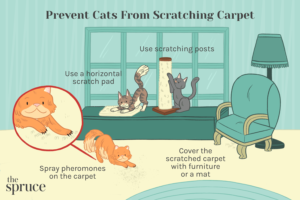
Deterrent sprays keep cats away from certain areas. Spray the carpet edges lightly. Cats dislike the smell and avoid those spots. Choose sprays made for pets to keep your cat safe. Repeat the spray often for best results.
Apply Double-sided Tape
Double-sided tape feels sticky on cat paws. Place strips on carpet areas your cat scratches. Cats dislike the sticky feeling and leave the spot alone. This method works well with other preventive measures. Replace tape when it loses stickiness.
:strip_icc()/keep-cat-from-scratching-carpet-554831-hero-4ff16ebbd551426dbe23b6452ee75109.jpg)
Credit: www.thesprucepets.com
Providing Alternatives
Stopping your cat from scratching the carpet is easier with good alternatives. Cats need to scratch. It helps them stretch and mark their space. Giving them proper places to scratch protects your carpet and keeps your cat happy.
Scratching Posts And Pads
Scratching posts are a top choice for cats. They come in many sizes and materials. Some cats like tall posts; others prefer flat pads. Sisal-covered posts work well because they feel rough like carpet. Offer different types to see what your cat likes best.
Cat Furniture Options
Cat trees and condos also serve as scratching spots. These pieces combine climbing and scratching in one. Your cat can play, rest, and scratch all in one place. This reduces the chance they will use your carpet.
Placement Tips
Put scratching posts near your cat’s favorite spots. Near windows, beds, or the carpet they scratch works well. Cats like to scratch where they spend time. Move posts around until your cat uses them often.
Training Techniques
Training your cat to stop scratching the carpet takes time and effort. Using proper techniques helps your cat learn better habits. You need to guide your cat gently and clearly.
Patience and consistency are key. Training should be calm and steady. Cats respond well to positive actions and clear signals.
Positive Reinforcement
Reward your cat when it scratches the right spot. Use treats or gentle praise. This helps your cat understand what behavior is good. Avoid punishing your cat. It can cause fear and confusion.
Positive reinforcement makes learning fun. Your cat will want to repeat good actions. This method builds trust and encourages good habits.
Redirecting Behavior
Give your cat a scratching post or pad. Place it near the carpet your cat likes to scratch. Gently move your cat to the post when it starts scratching the carpet. This shows your cat where to scratch.
Use toys or treats to attract your cat to the post. Keep the scratching post clean and inviting. Your cat will choose it over the carpet.
Consistency And Patience
Training takes time. Always respond to scratching the wrong spot the same way. Gently guide your cat to the correct place every time. Avoid yelling or punishment.
Be patient. Some cats take weeks to learn new habits. Keep training sessions short and positive. Consistency helps your cat understand what to do.

Credit: www.amazon.com
Environmental Enrichment
Environmental enrichment helps keep your cat happy and busy. It offers fun ways to use their energy. This reduces unwanted behaviors like scratching the carpet. Cats enjoy exploring and playing in a rich environment. Providing different activities can calm their natural instincts.
Interactive Toys
Interactive toys catch your cat’s attention. Toys with feathers, bells, or lights work well. They encourage your cat to chase and pounce. This activity tires your cat out. When tired, cats scratch less on carpets.
Rotate toys often to keep interest high. Puzzle feeders also stimulate your cat’s brain. They make feeding time fun and slow. This reduces boredom and scratching.
Playtime Activities
Set aside daily playtime with your cat. Use wand toys or laser pointers for chasing games. Play mimics hunting and satisfies instincts. Short, frequent sessions work best. Playtime strengthens your bond and burns energy.
Try hiding toys for your cat to find. It adds excitement and mental exercise. Engaged cats are less likely to scratch carpets.
Comfortable Rest Areas
Cats need cozy spots to relax and sleep. Soft beds or blankets in quiet corners work well. A good rest area helps your cat feel safe. When relaxed, cats scratch less out of stress.
Place beds near windows for sun and views. Cats love watching outside activities. This keeps them entertained and calm indoors.
When To Consult A Vet
Knowing when to consult a vet is key if your cat keeps scratching the carpet. Scratching is normal, but sometimes it signals a deeper problem. A vet can find out if your cat needs help beyond training or home fixes.
Signs Of Stress Or Anxiety
Your cat may scratch more if feeling stressed. Look for pacing, hiding, or meowing loudly. Changes in eating or sleeping habits can also show anxiety. A vet can suggest ways to calm your cat safely.
Physical Health Issues
Sometimes scratching means pain or skin problems. Check for redness, sores, or hair loss. Cats with allergies or parasites often scratch a lot. A vet can diagnose and treat these health issues quickly.
Behavioral Problems
Scratching might be a sign of boredom or frustration. Cats need play and attention to stay happy. A vet can help find if the behavior is linked to deeper problems. They can guide you on improving your cat’s environment.
Frequently Asked Questions
Why Does My Cat Scratch The Carpet Frequently?
Cats scratch to mark territory, sharpen claws, and stretch muscles. Carpet feels good for scratching.
How Can I Protect My Carpet From Cat Scratches?
Use scratching posts near carpeted areas and cover carpet with plastic sheets or mats.
What Type Of Scratching Post Stops Carpet Damage Best?
Tall, sturdy posts with rough materials like sisal attract cats and keep them off carpets.
Can Trimming My Cat’s Nails Reduce Carpet Scratching?
Yes, regular nail trims help reduce damage and make scratching less sharp.
Does Using Cat Deterrent Sprays Help Prevent Carpet Scratching?
Certain sprays can discourage cats but work best combined with other methods like posts.
How Do I Train My Cat To Stop Carpet Scratching?
Redirect scratching to posts, reward good behavior, and gently discourage carpet scratching.
Conclusion
Stopping your cat from scratching the carpet takes time and patience. Provide good alternatives like scratching posts nearby. Use gentle training to guide your cat’s behavior. Protect your carpet with covers or sprays made for cats. Remember, cats scratch to stretch and mark territory.
Meeting their needs helps reduce unwanted scratching. Keep your cat’s nails trimmed and healthy. With care and consistency, your carpet can stay safe. Your cat will learn where it’s okay to scratch. Small steps lead to big changes in behavior.
As an Amazon Associate, I earn from qualifying purchases.