Thinking about opening your home to a foster cat? You might be wondering, how much does it really cost to foster a cat?
Understanding the expenses upfront can help you prepare better and avoid surprises. From food and litter to vet visits and toys, there are a few key costs to consider. You’ll discover exactly what to expect, so you can focus on giving a loving temporary home without stress.
Keep reading to find out how fostering a cat fits into your budget—and how your care can make a big difference in a cat’s life.

Credit: entangledcatcafe.com
Initial Setup Costs
Fostering a cat requires some initial setup costs. These expenses help create a safe and comfortable space for your new furry friend. Understanding these costs makes it easier to prepare your home and budget.
Adoption Fees And Deposits
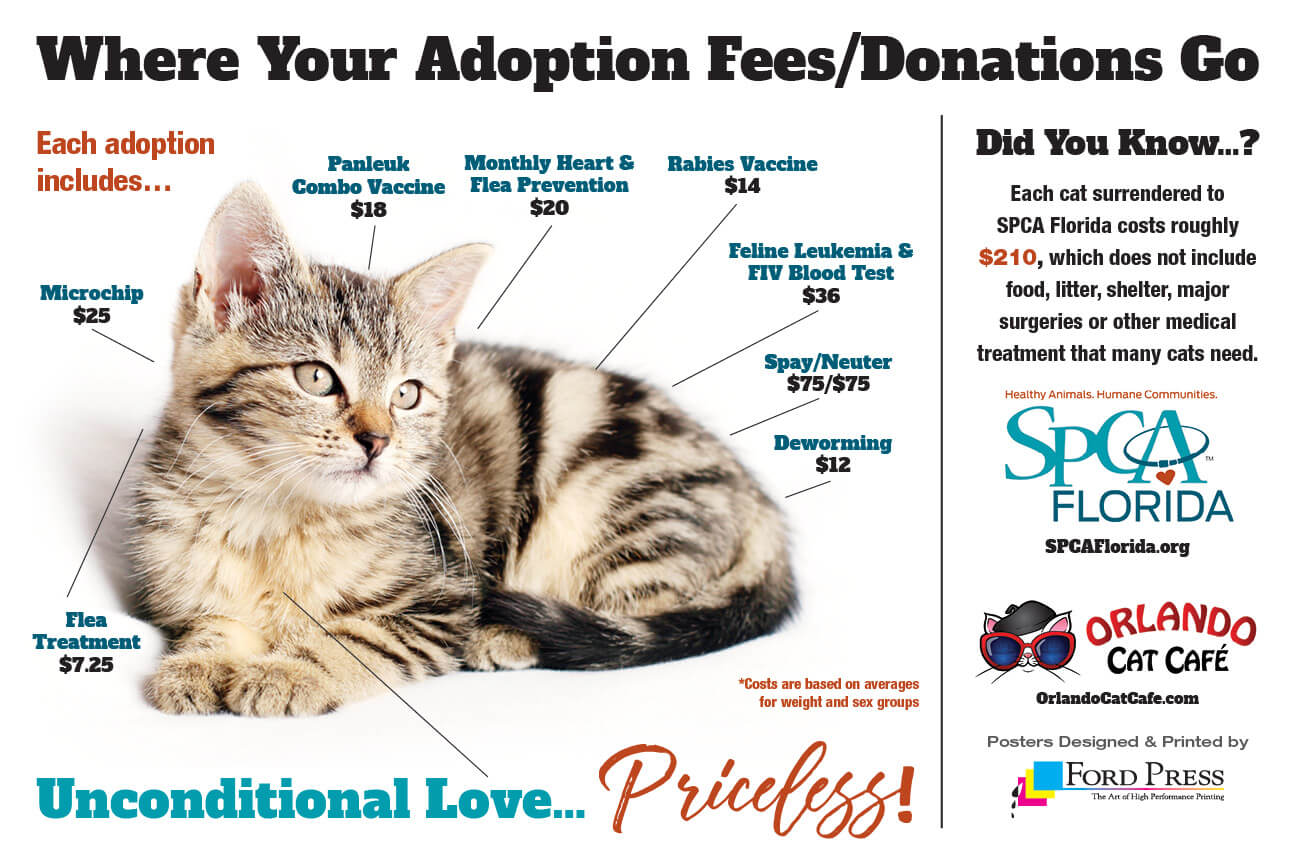
Many shelters charge an adoption fee. This fee helps cover the cost of care before the cat finds a home. Some places ask for a deposit that you get back after fostering ends. Fees vary but usually range from $50 to $150.
Basic Supplies And Equipment
Basic supplies include a litter box, food bowls, and a bed. Cats also need toys and scratching posts to stay happy. Expect to spend around $100 to $200 on these items. Buying good quality products helps your cat feel at home.
Initial Veterinary Visits
Initial vet visits are important for the cat’s health. They include vaccinations, spaying or neutering, and a general checkup. Costs can range from $100 to $300 depending on the services. Some shelters cover these costs, but it is best to check first.
Credit: www.orlandocatcafe.com
Ongoing Expenses
Fostering a cat involves some ongoing expenses. These costs happen every month or regularly. Knowing them helps you plan better. It also ensures your foster cat stays happy and healthy.
Food And Treats
Feeding a foster cat is a constant cost. Cats need good quality food for their health. Dry food, wet food, or a mix works well. Treats are nice but should be given in small amounts. They help with training and bonding. Budget around $20 to $40 per month for food and treats.
Regular Veterinary Care
Regular vet visits keep your foster cat healthy. Shots, check-ups, and parasite control are common needs. Some cats may need extra care for illness or injury. Costs vary but expect about $30 to $50 monthly on average. Some shelters cover this, but you might pay some fees.
Litter And Cleaning Supplies
Cat litter is a must-have item for every foster home. It keeps the environment clean and odor-free. You will also need cleaning sprays and waste bags. These supplies can cost $15 to $30 per month. Keeping the cat’s space clean prevents diseases and smells.
Unexpected Costs
Fostering a cat often brings unexpected costs. These expenses can surprise new foster parents. Knowing about these costs helps you prepare better. Some costs are rare but can be expensive. Others appear more often and add up quickly.
Emergency Medical Care
Health issues can happen suddenly. A cat might need urgent vet visits. Emergency care can cost hundreds of dollars. This includes X-rays, medications, or surgery. Having a savings fund is smart for these cases.
Behavioral And Training Support
Some cats need help with behavior problems. They might scratch furniture or hide a lot. Training classes or specialist advice can help. These services often come with fees. Investing in support improves the cat’s well-being.
Additional Supplies
Fostering requires more than basic items. You may need extra toys, beds, or litter boxes. Special cleaning products might be necessary too. These supplies add up over time. Keeping a budget for extras is important.
Saving Tips For Foster Cat Care
Taking care of a foster cat can be rewarding but also costly. Saving money helps you support more cats without stress. Small changes in how you buy and use supplies can reduce expenses a lot. Many resources exist to help foster families keep costs low. Here are some practical tips for saving on foster cat care.
Using Discount Programs
Many pet stores and vet clinics offer discounts for foster families. Ask if they have special prices on food, toys, or medical care. Some companies have loyalty programs that reduce costs over time. Register with local shelters to access exclusive deals. Always carry proof of foster status to get discounts easily.
Buying Supplies In Bulk
Purchasing food, litter, and treats in large amounts saves money. Bulk buying lowers the cost per item. Store supplies properly to keep them fresh and usable. Share bulk items with other foster families to split costs. Plan purchases based on how many cats you care for at once.
Community And Shelter Resources
Local animal shelters often provide free or low-cost supplies. Attend community events to collect donated items for foster cats. Join online groups or forums for foster caregivers. Share tips and swap supplies with others in your area. Many shelters also offer free vet clinics or help with medical bills.
Financial Support Options
Fostering a cat can bring joy, but costs can add up quickly. Many foster caregivers seek help to cover expenses. Various financial support options exist to ease the burden. These options help with food, vet visits, and supplies.
Grants And Subsidies
Animal shelters and rescue groups often offer grants. These grants help pay for medical care and food. Some local governments provide subsidies for foster pets. Check with nearby shelters or animal welfare groups. Applications usually require basic information about your foster cat.
Fundraising Ideas
Simple fundraising can raise money for your foster cat. Host a bake sale or yard sale in your community. Use social media to share your foster story and ask for support. Small events like car washes or craft fairs work well. Each dollar raised helps cover your cat’s needs.
Sponsorship And Donations
Many people want to help foster cats but cannot foster themselves. They may sponsor your foster cat with monthly donations. Ask friends, family, or coworkers for small contributions. Create a clear plan showing how funds will be used. Donations can cover food, toys, and vet bills.

Credit: www.petfinder.com
Frequently Asked Questions
How Much Does It Cost To Foster A Cat Monthly?
Fostering a cat usually costs between $30 and $100 each month for food, litter, and supplies.
Are Veterinary Fees Included In Cat Fostering Costs?
Most rescue groups cover vet bills, but some minor costs may fall on the foster parent.
What Supplies Are Needed To Foster A Cat?
Basic supplies include food, litter, a bed, toys, and a scratching post.
Can Fostering A Cat Be Expensive Without Help?
Costs can add up, but many shelters provide supplies and financial support.
How Long Do People Usually Foster Cats?
Foster periods vary from a few weeks to several months, depending on the cat’s needs.
Does Fostering A Cat Require A Large Space?
No, a small, safe space with essentials is enough to foster a cat comfortably.
Conclusion
Fostering a cat costs less than many people expect. Basic expenses include food, litter, and vet visits. Some groups help cover these costs. Care and love matter more than money. Every dollar spent helps save a life. Giving a cat a temporary home is rewarding.
It creates a safe space until adoption. Think of fostering as a kind act. It supports shelters and helps animals thrive. Small costs lead to big differences for cats.
As an Amazon Associate, I earn from qualifying purchases.