If you care about feral cats in your neighborhood, you know how tough life can be for them outside. Getting a feral cat to use a shelter can make a big difference in their safety and comfort.
But it’s not always easy—these cats are wary and cautious by nature. What if you could gently guide them to a warm, secure place without scaring them away? You’ll discover simple, proven steps to encourage a feral cat to trust and use a shelter you provide.
Keep reading, and you’ll learn how to make a real, positive impact on a feral cat’s life—starting today.
Credit: www.youtube.com
Choosing The Right Shelter
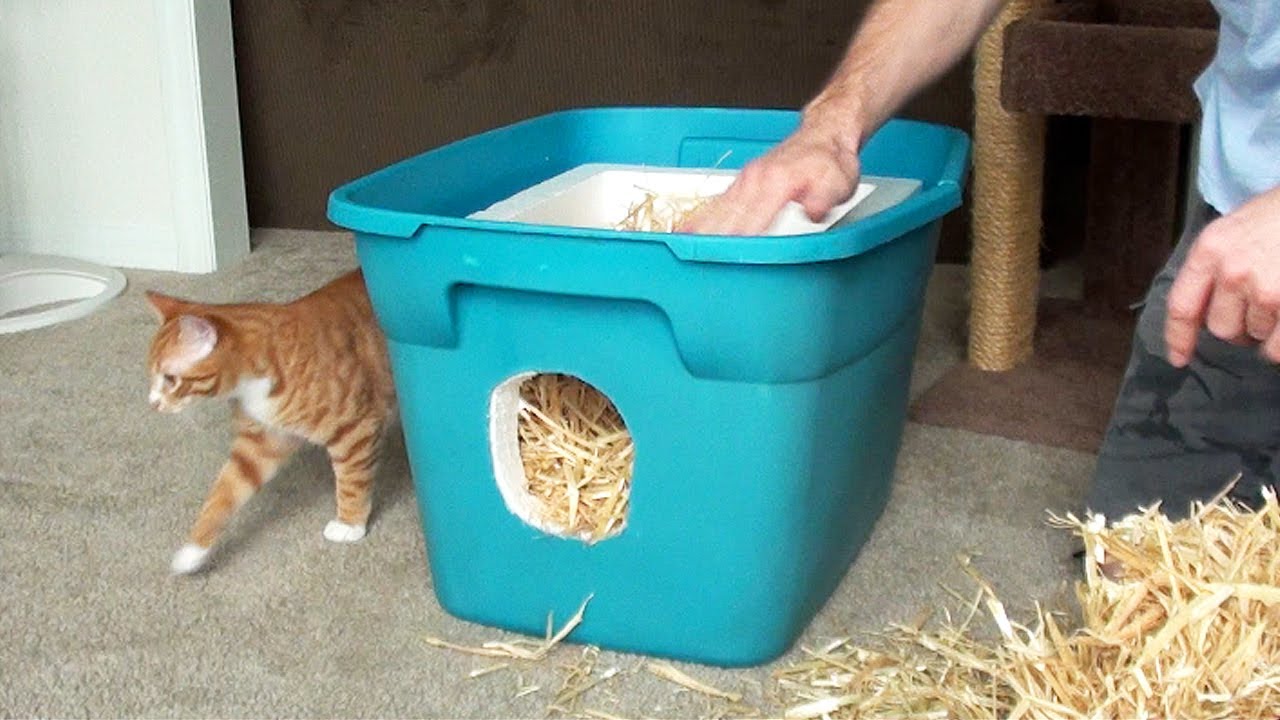
Choosing the right shelter is key to helping a feral cat feel safe and warm. The right shelter offers protection from weather and predators. It also invites the cat to rest and hide. Understanding what makes a good shelter helps you pick or build one the cat will use.
Simple changes can make a big difference. Small details in materials, size, and placement matter. This section breaks down each part to guide you in choosing the best shelter.
Materials That Attract Cats
Cats prefer shelters made from sturdy, weatherproof materials. Wood and heavy-duty plastic work well. They keep rain and wind out. Avoid metal; it can get too hot or cold.
Inside, soft materials like straw or fleece encourage cats to enter. Straw stays dry and traps heat. Avoid blankets that get wet and cold. The right materials create a cozy, inviting space.
Ideal Shelter Size And Design
The shelter should be just big enough for the cat. About 18 to 24 inches wide is perfect. Too large spaces feel cold. A snug fit keeps warmth inside.
Use a single entry point. It helps the cat feel safe. Add a small flap door if possible. This keeps wind and rain out. Rounded or angled roofs help water run off easily.
Placement For Safety And Comfort
Place the shelter in a quiet, hidden spot. Near bushes or under a porch works well. Cats feel safer with cover around them.
Keep the shelter away from busy paths or loud noises. Face the entrance away from wind and rain. Elevate the shelter slightly to keep it dry. These steps boost comfort and safety.

Credit: www.youtube.com
Preparing The Shelter
Preparing a shelter for a feral cat is a key step to help it feel safe. The shelter must be warm, dry, and easy to enter. Small changes can make a big difference in attracting the cat. Focus on comfort and convenience to make the shelter inviting. Below are important tips on how to prepare the shelter properly.
Adding Bedding And Warmth
Use soft materials like straw or old blankets for bedding. Straw stays dry and keeps heat better than cloth. Avoid cotton or towels because they can hold moisture. Place the bedding deep inside the shelter to create a cozy nest. Add insulation around the shelter to block wind and cold. Keep the shelter off the ground with wood or bricks. This keeps the floor warm and dry. Small heating pads designed for outdoor pets can help in cold climates.
Providing Food And Water Nearby
Place food and water close to the shelter entrance. Cats feel safer eating near their home. Use sturdy bowls that won’t tip over easily. Change the water daily to keep it fresh. Feed the cat at the same time each day. This routine builds trust and encourages the cat to return. Avoid placing food inside the shelter to keep it clean and dry. Keep the feeding area sheltered from rain and wind.
Ensuring Easy Access
Make sure the shelter entrance is large enough for the cat. About 6 to 8 inches wide works well. The entrance should face away from prevailing winds. Clear any obstacles near the door. This allows the cat to come and go without trouble. Avoid using doors or covers the cat might avoid. A simple open entrance feels safer to feral cats. Check the shelter regularly to remove debris or pests blocking access.
Building Trust With The Cat
Building trust with a feral cat is the first step to help it use a shelter. These cats are usually shy and scared of people. They need time to feel safe and comfortable around the shelter. Patience is key. Small actions can make a big difference in gaining their confidence.
Approaching Slowly And Calmly
Move slowly to avoid scaring the cat. Sudden moves cause stress and fear. Speak softly or stay quiet to keep calm. Let the cat see you from a distance first. Gradually get closer over several days. Respect the cat’s space and do not rush.
Using Food As An Incentive
Food can help the cat feel safe near the shelter. Place tasty treats close to the shelter entrance. Offer food at the same time each day. This creates a routine the cat can trust. Avoid making sudden changes in feeding time or place. The cat will start to associate the shelter with positive feelings.
Minimizing Disturbances Around Shelter
Keep the shelter area quiet and peaceful. Loud noises or too much activity frighten feral cats. Avoid placing the shelter in busy or noisy spots. Limit foot traffic and pets nearby. A calm environment helps the cat explore and use the shelter. Safety and peace build trust fast.
Credit: www.reddit.com
Encouraging Shelter Use
Encouraging a feral cat to use a shelter takes patience and care. Cats need to feel safe and comfortable before they will enter a new space. Creating a welcoming environment helps the cat trust the shelter. Small steps can make a big difference in acceptance.
Placing Familiar Scents Inside
Feral cats rely heavily on scent to recognize safe places. Placing familiar smells inside the shelter helps the cat feel secure. Use a cloth or blanket that has the cat’s scent or the scent of other cats it knows. Avoid strong perfumes or cleaners. Natural smells make the shelter inviting and less scary.
Using Catnip Or Other Attractants
Catnip can attract some feral cats to explore a shelter. Sprinkle a small amount inside to catch their interest. Some cats prefer silvervine or valerian root as attractants. These natural scents encourage curiosity and play. Use attractants sparingly to avoid overwhelming the cat.
Observing And Adjusting Shelter Placement
Watch how the cat approaches the shelter during different times of the day. Move the shelter to quieter spots if the cat seems nervous. Avoid busy areas or places with strong wind and direct sunlight. Position the shelter near food and water sources. Adjusting location can increase the chance the cat will use the shelter.
Monitoring And Maintenance
Monitoring and maintenance are key to keeping a feral cat shelter inviting. Cats feel safe in clean, well-kept spaces. Regular checks help spot problems early. This ensures the shelter stays useful and comfortable. Small efforts make a big difference in the cats’ lives.
Regular Cleaning Without Scaring Cats
Clean the shelter gently and quietly. Avoid sudden movements or loud noises. Use a soft brush or cloth to remove dirt. Do not use strong chemicals. Fresh bedding helps keep the shelter cozy. Clean at times when cats are away or calm.
Refilling Food And Water Supplies
Keep food and water fresh and full. Check supplies daily to prevent running out. Use shallow bowls to avoid spills. Place food and water near the shelter entrance. Refill quietly to avoid startling the cats. Clean bowls regularly to prevent germs.
Checking For Shelter Damage
Look for cracks, holes, or broken parts often. Repair damage quickly to keep shelter safe. Strong shelters protect cats from weather and predators. Check the roof and walls for leaks. Replace worn bedding to maintain warmth. A solid shelter invites cats to stay longer.
Handling Challenges
Getting a feral cat to use a shelter can be tricky. Cats do not like sudden changes or new things. They may avoid the shelter at first. Facing these challenges is normal. Patience and care help cats feel safe and warm.
Dealing With Reluctant Cats
Some cats stay away from shelters at first. They may hide nearby, watching quietly. Place food near the shelter to attract them. Move the food closer little by little. Let the cat explore without pressure. Avoid loud noises or sudden moves. Trust builds slowly over many days.
Protecting Shelter From Predators
Predators like raccoons or dogs can scare cats away. Keep the shelter raised off the ground. Use a small entrance that only cats can enter. Surround the area with safe barriers. Check the shelter often for signs of predators. A secure shelter helps cats feel safe and stay inside.
Adapting Shelter For Different Weather
Weather can change quickly. Shelters need to protect from rain, wind, and cold. Use waterproof materials for the roof and walls. Add straw inside for warmth, not blankets. Make sure the shelter has good ventilation. Openings should block wind but allow air flow. Adjust the shelter to keep cats dry and cozy all year.
Frequently Asked Questions
How Do I Make A Shelter Inviting For A Feral Cat?
Place soft bedding inside, keep the shelter quiet, and add familiar smells like used blankets.
What Is The Best Location For A Feral Cat Shelter?
Choose a quiet, sheltered spot away from noise and heavy foot traffic.
How Can I Encourage A Feral Cat To Enter The Shelter?
Leave food nearby and gradually move it closer to the shelter entrance.
What Materials Keep A Feral Cat Shelter Warm?
Use insulated walls, straw bedding, and waterproof covers to retain heat.
How Often Should I Clean A Feral Cat Shelter?
Clean the shelter monthly to keep it fresh but avoid disturbing the cat too much.
Can I Use A Shelter For Multiple Feral Cats?
Yes, but ensure the shelter is large enough and has separate spaces if possible.
Conclusion
Getting a feral cat to use a shelter takes time and patience. Place the shelter in a quiet, safe spot. Add familiar smells, like old blankets or food. Check the shelter often, but do not scare the cat. Small steps build trust and comfort.
Soon, the cat will see the shelter as a safe home. Keep trying, and you will help the cat stay warm and protected. A little kindness makes a big difference for feral cats.
As an Amazon Associate, I earn from qualifying purchases.