Is your cat hiding and refusing to come out? You’re not alone.
Cats often retreat to quiet spots when they feel scared, sick, or just need some alone time. But when your furry friend stays hidden too long, it can worry you. You want to bring your cat out gently, without causing stress or fear.
You’ll discover simple, effective ways to coax your cat out of hiding. These tips will help you connect with your pet and make them feel safe again. Keep reading, and you’ll soon see your cat stepping back into the light, happy and relaxed.

Credit: catanddoghouse.com
Why Cats Hide
Cats hide for many reasons. It is part of their natural behavior. Hiding helps them feel safe and calm. Sometimes, cats hide to rest without being disturbed. Other times, they hide because they feel scared or stressed. Understanding why cats hide helps you care for them better.
Common Hiding Spots
Cats choose quiet and cozy places to hide. Under the bed is a favorite spot. Behind furniture offers a dark, safe space. Inside closets or boxes feels like a small den. Sometimes cats hide in high places like shelves or cupboards. These spots make cats feel secure and protected.
Reasons Behind Hiding
Stress causes many cats to hide. Loud noises or new people can scare them. Illness or pain also makes cats seek solitude. Changes at home, such as moving or new pets, create stress. Hiding helps cats avoid danger and rest quietly. It is a natural way to cope with fear and discomfort.

Credit: us.feliway.com
Preparing The Environment
Preparing the environment is the first step to coax a cat out of hiding. Cats need a safe and quiet place to feel comfortable. The space around them should help reduce fear and stress. Small changes can make a big difference in how soon your cat comes out.
Creating A Calm Space
Find a quiet room where your cat feels safe. Close doors to keep noise out. Soft lighting helps your cat relax. Place cozy bedding or blankets nearby. Avoid sudden movements or loud sounds. Let your cat explore the space at their own pace. A calm space invites your cat to come out and rest.
Removing Stress Triggers
Identify things that scare your cat. Loud noises, other pets, or many people can cause stress. Remove or reduce these triggers as much as possible. Turn off loud music and close windows to block street noise. Keep other pets in separate rooms. Give your cat space away from busy areas. A peaceful environment helps your cat feel safe enough to emerge.
Using Food To Lure Cats
Food is a great way to encourage a shy cat to come out. Cats love tasty treats and yummy smells. Using food can build trust and make your cat feel safe. The right treats can make a big difference. It helps to be patient and gentle during feeding time.
Choosing Appealing Treats
Pick treats that smell strong and taste good to cats. Small pieces of cooked chicken or tuna work well. Soft treats are easier for cats to eat. Avoid foods that are too spicy or salty. Fresh, warm food often attracts cats more than cold food. Try different options to see what your cat likes best.
Feeding Techniques
Place the food near the hiding spot at first. Move the food slowly farther away each day. Sit quietly nearby while the cat eats. Speak softly to comfort your cat. Use small amounts of food to keep the cat interested. Never force the cat to eat or come out. Let the cat approach the food at its own pace.
Credit: manypets.com
Employing Toys And Sounds
Using toys and sounds is a gentle way to invite a cat out of hiding. Cats respond well to movement and familiar noises. These tools help create a safe and fun environment. They catch your cat’s attention without causing stress.
Interactive Toys That Attract
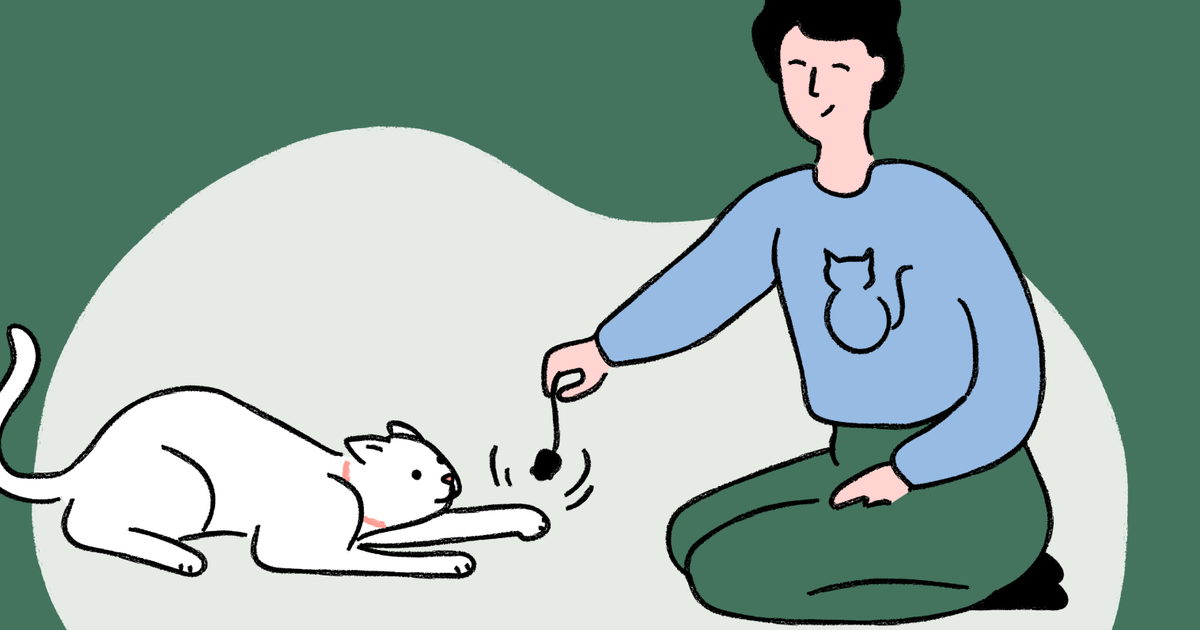
Wand toys with feathers or strings work well. Move them slowly near the hiding spot. This sparks curiosity and encourages your cat to come out. Balls that roll or make noise can also help. Toys that mimic prey trigger a cat’s hunting instinct. Change the toy often to keep your cat interested.
Using Gentle Sounds
Soft sounds can comfort a hiding cat. Try calling your cat’s name in a calm voice. Use quiet tapping or rustling noises. Avoid loud or sudden sounds that may scare your cat. Playing gentle music or nature sounds can soothe your pet. These sounds create a calm space, inviting your cat to explore.
Approaching With Patience
Approaching a cat with patience is key to coaxing it out of hiding. Cats feel safe when you move slowly and speak softly. Rushing or loud noises can scare them deeper into their hiding spot. Patience helps build trust, making the cat more comfortable over time.
Each cat is different. Some take longer to feel safe. Giving them space and time shows respect for their feelings. This calm approach can turn fear into curiosity. Little by little, the cat may come out on its own.
Slow Movements And Soft Voice
Move your body slowly near the cat. Quick moves startle cats and cause stress. Keep your hands low and avoid sudden gestures. Speak in a gentle, low voice. Quiet tones sound less threatening. Soft words help the cat relax and listen.
Try to stay still for a few moments. Watch the cat’s response. If it stays calm, you are on the right path. Patience here is your best tool for success.
Respecting Their Boundaries
Let the cat choose when to come out. Do not force it or reach suddenly. Respect its safe space as a sanctuary. Give the cat room to feel in control. Avoid staring directly or making loud noises.
Watch body language closely. Ears back or tail twitching means stress. Back off and wait for the cat to calm. Respecting boundaries builds trust and helps the cat feel safe again.
When To Seek Help
Knowing when to seek help is important if your cat hides a lot. Sometimes hiding means the cat feels scared or unwell. Ignoring these signs can make problems worse. Getting help early can keep your cat safe and happy.
Signs Of Stress Or Illness
Watch for changes in your cat’s behavior. Hiding more than usual can be a warning. Look for loss of appetite, less movement, or strange noises. Sudden aggression or trembling may also show stress or pain. These signs mean your cat might need care.
Consulting A Veterinarian Or Behaviorist
A vet can check for health problems causing hiding. They know how to find pain or sickness that is not obvious. A behaviorist helps with fear or anxiety issues. They teach ways to make your cat feel safe. Both experts work to improve your cat’s well-being.
Frequently Asked Questions
How Can I Safely Approach A Hiding Cat?
Move slowly and speak softly. Avoid sudden movements to keep the cat calm.
What Food Attracts Cats Out Of Hiding?
Use strong-smelling treats like tuna or wet cat food to lure them gently.
How Long Should I Wait Before Trying To Coax My Cat?
Wait at least 10 to 15 minutes, giving the cat space and time to relax.
Can Toys Help Bring A Cat Out Of Hiding?
Yes, dangling toys or laser pointers can catch their attention and encourage play.
Should I Block Escape Routes When Coaxing A Cat?
Yes, gently block exits but leave a small gap so the cat feels safe.
When Is It Best To Call A Vet About Hiding Behavior?
If the cat hides for days or shows signs of illness, contact a vet promptly.
Conclusion
Helping a cat come out of hiding takes time and patience. Speak softly and move slowly to build trust. Offer favorite treats or toys to encourage them. Give the cat space but stay nearby to show safety. Small steps lead to big progress.
Soon, your cat will feel comfortable and come out on their own. Remember, every cat is different. Keep trying gently and enjoy the quiet moments together. Patience and kindness make a happy, trusting pet.
As an Amazon Associate, I earn from qualifying purchases.