If you’re a cat owner, you want to keep your furry friend safe no matter what. Microchipping your cat is one of the smartest ways to do that.
But you’re probably wondering: how much does it actually cost to microchip a cat? Knowing the price can help you plan and make the best choice for your pet’s safety. You’ll discover the real costs involved and why this small investment could save you a lot of heartache down the road.
Keep reading to find out everything you need to know!
Microchipping Cost Factors
Microchipping your cat is a smart choice for safety. The cost of microchipping varies based on several factors. Understanding these factors helps you plan better. Costs depend on the clinic, location, and extra services offered. Knowing what affects the price can guide your decision.
Average Price Range
The average cost to microchip a cat ranges from $25 to $50. Some clinics offer lower prices during special events. Basic microchipping usually includes the chip and insertion. This price covers the chip registration in a national database.
Additional Fees To Expect
Extra fees might apply for registration or follow-up visits. Some vets charge for scanning your cat’s microchip. You may pay more for combining microchipping with vaccinations. Keep in mind, some places require yearly registration fees.
Cost Variations By Location
Prices vary between cities, states, and countries. Urban areas often have higher fees than rural regions. Local animal shelters may offer cheaper microchipping services. Always check nearby options to find the best price.
Credit: www.goodrx.com
Benefits Of Microchipping Cats
Microchipping cats offers many important benefits. It helps protect your pet and makes sure they can come home safely. This small procedure provides a strong way to identify your cat for life. Pet owners often find great comfort in knowing their cat has this extra layer of security. The benefits go beyond simple identification, helping both cats and their owners.
Permanent Identification
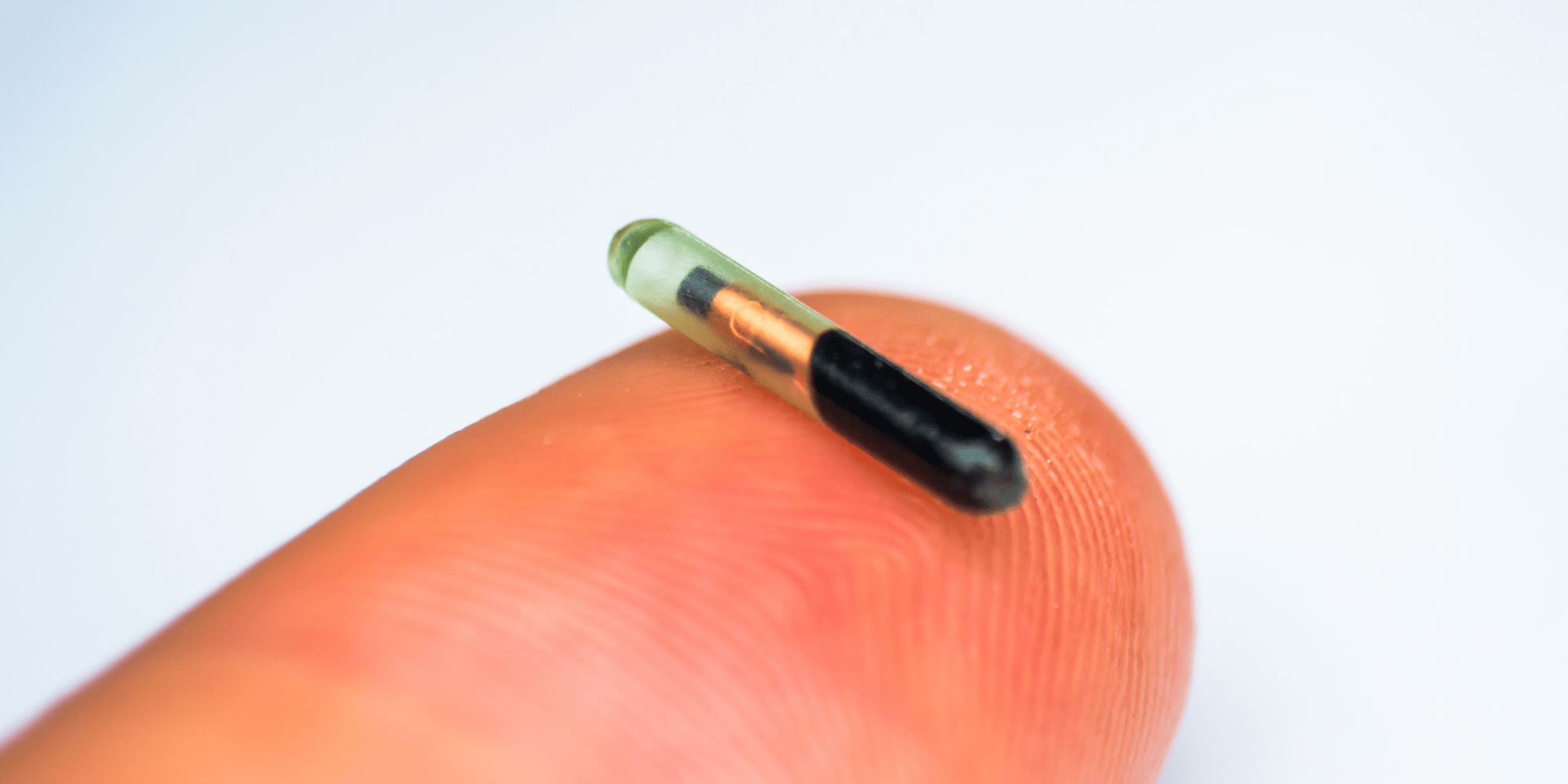
The microchip is a tiny device placed under your cat’s skin. It carries a unique number that never changes. This number links to your contact information in a secure database. Unlike collars or tags, a microchip cannot fall off or be removed. This permanent ID helps vets and shelters find your cat’s owner quickly.
Increased Chances Of Recovery
Lost cats with microchips have a much higher chance of coming home. Shelters scan found cats for microchips daily. If a chip is found, they contact the owner right away. This simple step reduces the time your cat spends lost or in a shelter. It also lowers the risk of your pet being adopted by someone else.
Peace Of Mind For Owners
Knowing your cat has a microchip brings peace of mind. You can feel safer letting your cat explore outdoors. It reduces worry about losing your pet forever. The microchip works silently and lasts for your cat’s entire life. Owners trust it as a reliable way to keep their cats safe.
Where To Get Your Cat Microchipped
Choosing the right place to microchip your cat is important. It affects cost, convenience, and safety. Several options are available, each with its own benefits. Knowing where to go helps you make the best choice for your pet.
Veterinary Clinics
Veterinary clinics are the most common places for microchipping cats. Trained vets handle the procedure safely and quickly. The chip is implanted under the cat’s skin using a small needle. Vets also register the chip in a national database. This service often includes a health check-up for your cat.
Prices vary by clinic but usually include the chip and registration. Some clinics offer discounts during special events. Booking an appointment ensures the vet is ready for your visit.
Animal Shelters
Animal shelters often provide microchipping at low cost. They aim to help pet owners and reduce lost pets. Many shelters have experienced staff to implant chips safely. Some offer free or discounted microchipping during community events.
Shelters also help with registering your cat’s microchip. This option is budget-friendly and supports local animal care. Availability may depend on shelter resources and schedules.
Pet Stores And Mobile Services
Some pet stores offer microchipping services in partnership with vets. These stores may hold special microchipping days. Mobile microchipping services travel to your home or neighborhood. They provide convenience for busy pet owners.
Prices for these services vary and might include registration. Mobile services allow quick, stress-free microchipping outside a clinic. Always check the provider’s credentials before choosing this option.
Preparing Your Cat For Microchipping
Preparing your cat for microchipping helps make the process smooth and stress-free. It ensures your cat stays calm and safe during the procedure. A little preparation can help both you and your cat feel ready and comfortable.
What To Expect During The Procedure
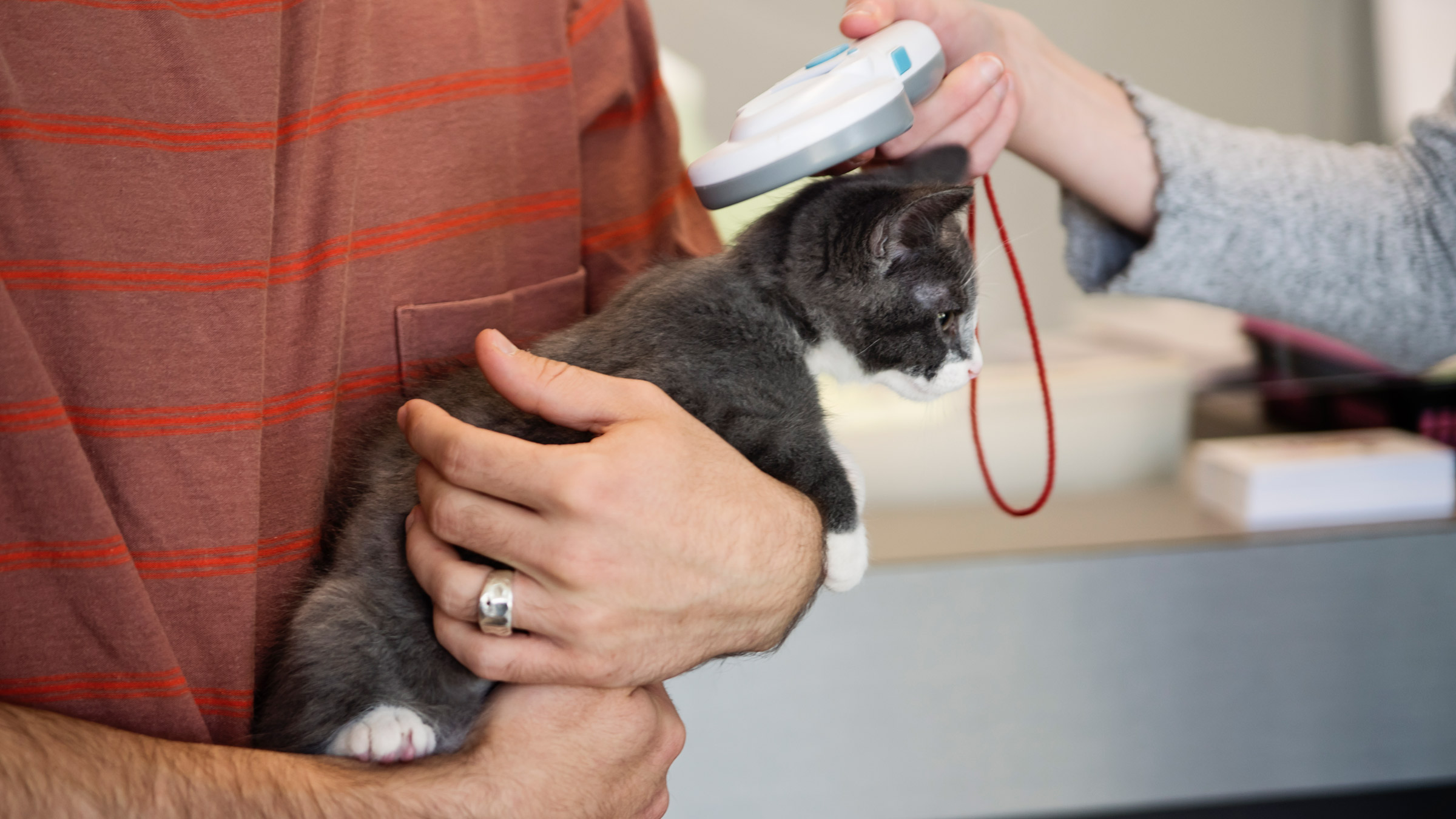
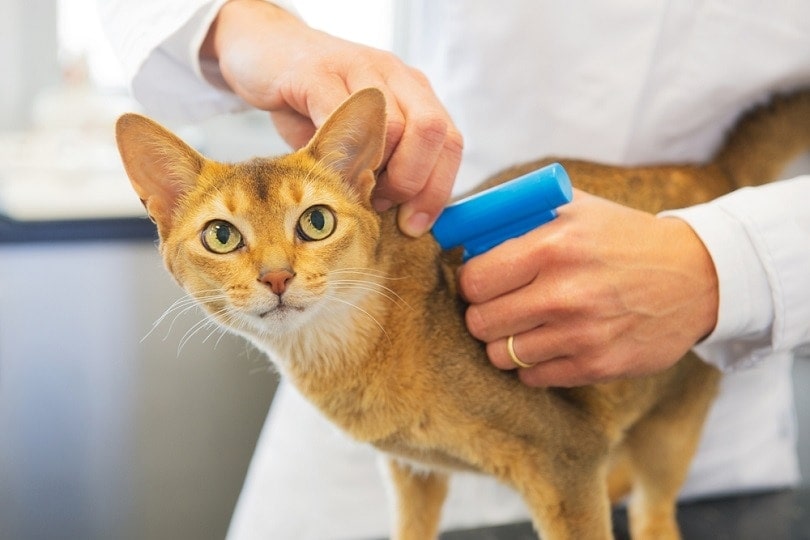
The microchipping procedure is quick and simple. A vet uses a small needle to insert the chip under your cat’s skin. Most cats feel only a small pinch, like a vaccination shot. The whole process usually takes just a few minutes. Your cat can go home right after the procedure.
Health Precautions
Before microchipping, your cat should be healthy. The vet will check for any illness or skin problems. If your cat is sick, the vet may delay the procedure. Keep your cat calm and avoid feeding right before the visit. Bring any health records to the appointment.
Aftercare Tips
After microchipping, watch your cat for any signs of discomfort. Some redness or swelling is normal but should go away fast. Keep your cat indoors for a day or two to rest. Avoid bathing your cat for at least a week. Call the vet if you see unusual swelling or your cat seems in pain.
Registering And Maintaining Microchip Information
Getting a microchip for your cat is only the first step. Registering the chip and keeping your information up to date is very important. This helps shelters and vets contact you if your cat goes missing. Without current details, the microchip may not help reunite you with your pet.
How To Register Your Cat
After microchipping, you must register your cat’s details. The vet or shelter usually helps with this. You provide your contact information and your cat’s details. The chip number links to your data in a pet recovery database. This registration makes your cat’s microchip effective.
Updating Contact Details
Change your phone number or address? Update your microchip record right away. You can do this online or by phone with the database provider. Keeping your contact details current ensures you get notified quickly. It also avoids delays if your cat gets lost.
Importance Of Keeping Information Current
Old or wrong information can stop you from finding your cat. Shelters check the microchip first, but they need correct data. Regularly review your microchip record for accuracy. This simple step can save your cat’s life. Stay responsible and protect your furry friend.
Credit: www.pdsa.org.uk
Common Concerns And Myths
Many pet owners wonder about microchipping cats. Some worry about safety or how well it works. Myths and concerns can cause hesitation. Understanding facts helps make better choices.
Safety Of Microchips
Microchips are safe for cats. They are small and placed under the skin. The process is quick and causes little pain. Vets use sterile needles to prevent infection. Chips do not move inside the body. No harmful effects have been proven over time.
Possible Side Effects
Side effects are very rare. Some cats may have slight swelling or redness. These symptoms disappear quickly. Allergic reactions happen in extremely few cases. Most cats do not show any problems. Monitoring after implantation helps catch issues early.
Effectiveness Compared To Other Id Methods
Microchips work well for identifying lost cats. Unlike collars, chips cannot fall off or break. Collars can get lost or removed by other animals. Microchips store permanent ID numbers. Shelters and vets can scan chips to find owners. This makes microchips more reliable than tags.
Tips To Maximize Microchip Benefits
Microchipping your cat is a smart step to keep them safe. The chip helps return lost cats to their owners. You can do more to make sure the microchip works well. These tips help you get the best from your cat’s microchip.
Combining With Collars And Tags
Use a collar and ID tag along with the microchip. The collar shows your cat’s name and your phone number. This helps finders call you quickly. Not all people have microchip scanners. A collar is an easy way to identify your cat.
Regular Microchip Scans
Ask your vet to scan the microchip once a year. This checks if the chip still works well. Sometimes chips move or stop working. Regular scans keep the chip ready to help your cat.
Spreading Awareness
Tell your family and friends about the microchip. Share your contact info with your microchip company. Update your details if you move or change phone numbers. This makes sure your cat’s info is always correct.
Credit: articles.hepper.com
Frequently Asked Questions
How Much Does It Cost To Microchip A Cat?
Microchipping a cat usually costs between $25 and $50, depending on the vet or clinic.
Is Microchipping A Cat A One-time Cost?
Yes, microchipping is a one-time cost with no regular fees afterward.
Can I Microchip My Cat At Home?
Microchipping should be done by a vet or trained professional to ensure safety.
Does Pet Insurance Cover Microchipping Costs?
Some pet insurance plans cover microchipping, but coverage varies by provider and plan.
How Long Does A Cat Microchip Last?
A cat’s microchip lasts for its entire life without needing replacement.
Why Is Microchipping A Cat Important?
Microchipping helps reunite lost cats with their owners quickly and safely.
Conclusion
Microchipping a cat is affordable and helps keep pets safe. Costs vary by location and provider but usually stay low. This small investment offers peace of mind for pet owners. Lost cats find their way home faster with microchips. Protect your cat by choosing a reliable vet or shelter.
Quick, simple, and worth every penny. Don’t delay—secure your cat’s safety today.
As an Amazon Associate, I earn from qualifying purchases.