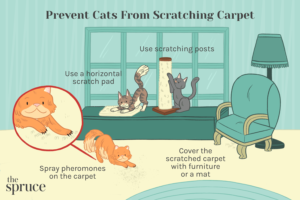
Are you wondering how old a cat has to be before it can be declawed? If you’re considering this procedure, it’s important to know the right timing and what it means for your furry friend’s health.
Declawing isn’t just a simple nail trim—it’s a serious surgery with lasting effects. You’ll discover the age guidelines and important facts you need to make the best choice for your cat’s well-being. Keep reading to learn what every cat owner should know before making this decision.
Declawing Basics
Understanding the basics of declawing helps cat owners make informed choices. Declawing is a serious topic that affects a cat’s health and behavior. Knowing what it involves and why some owners choose it is important.
What Declawing Involves
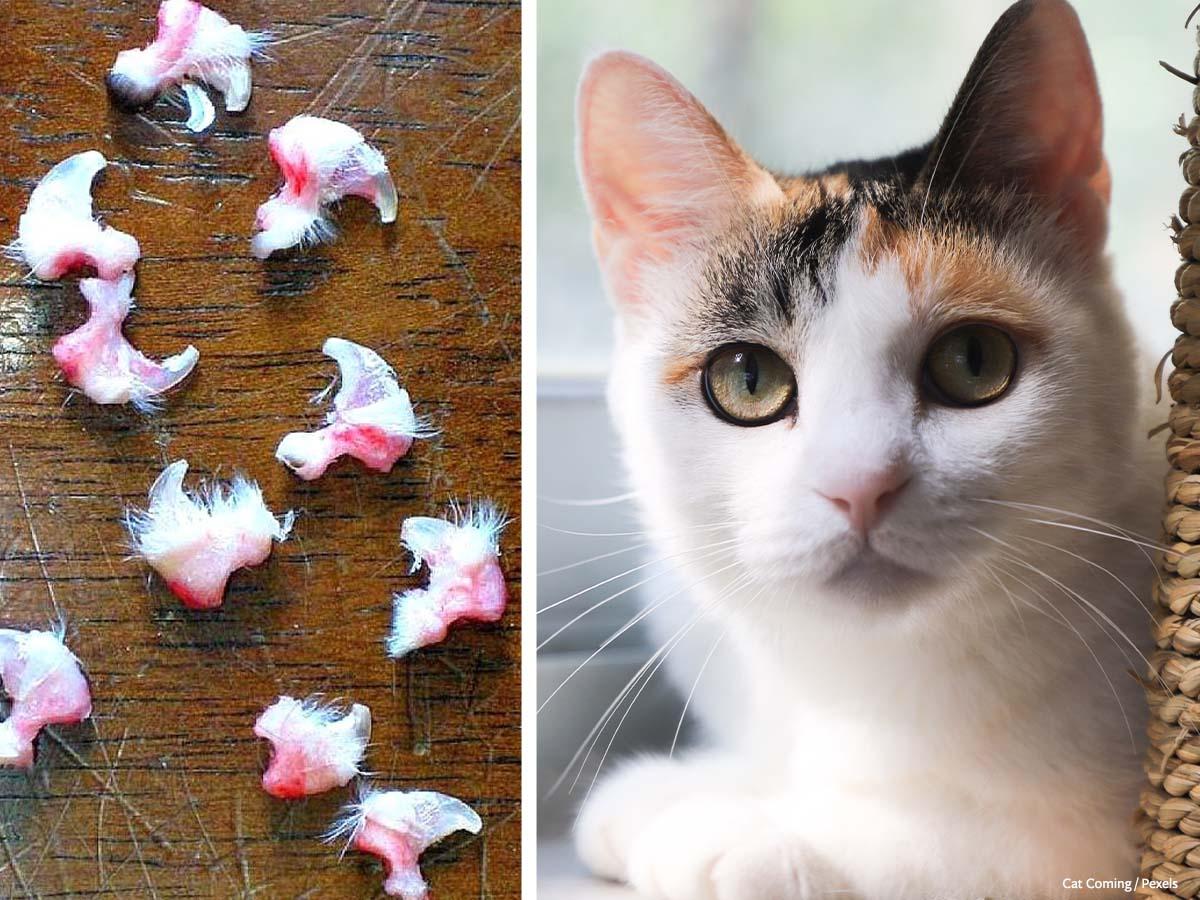
Declawing is the surgical removal of a cat’s claws. It is not just nail trimming. The procedure removes the last bone of each toe. This is similar to cutting off a fingertip in humans. The surgery can cause pain and requires healing time. Veterinarians usually perform it under anesthesia. After surgery, cats need special care to recover well.
Reasons Owners Choose Declawing
Some owners want to protect furniture and walls. Scratches can cause damage and cost money to repair. Others worry about scratching people, especially children. Declawing may seem like an easy solution to these problems. Some cats also have behavior issues that lead to scratching. Owners may feel this surgery will help reduce stress at home.
Common Myths About Declawing
Many believe declawing is simple and harmless. It is not a quick fix without consequences. Some think cats will not need scratching posts after declawing. Cats still want to scratch for exercise and stress relief. Others assume declawing stops all unwanted behavior. Declawing changes how cats walk and can cause pain. Knowing the facts helps avoid misunderstandings about this surgery.
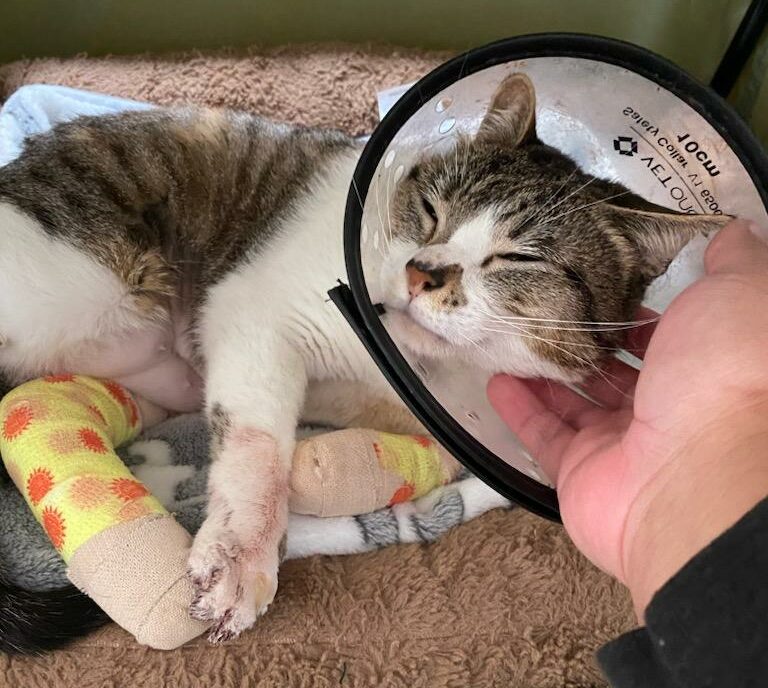
Credit: berkeleyhumane.org
Ideal Age Range
Choosing the right age for declawing a cat is important. The cat’s age affects how well it heals and adapts after the procedure. Knowing the ideal age range helps protect your cat’s health and comfort.
Kitten Development Stages
Kittens grow fast in the first few months. Their bones and muscles are still soft and developing. By 8 to 12 weeks, kittens start to explore and use their claws more. At this stage, their bodies are more flexible and heal quicker from injuries.
Recommended Age For Declawing
Most vets suggest declawing kittens between 10 and 12 weeks old. At this age, the bones are not fully hardened. The surgery is less painful and recovery is faster. Declawing older cats can cause more pain and longer healing.
Risks Of Declawing Too Early Or Late
Declawing too early, before 8 weeks, can harm bone growth. It may cause long-term problems with walking. Declawing too late, after 5 months, can lead to more pain and stress. Older cats take longer to heal and may have behavior issues after surgery.
Health And Recovery
Health and recovery are critical after a cat is declawed. This process affects their paws deeply. Proper care helps avoid pain and infection. Recovery time depends on the cat’s age and overall health. Younger cats tend to heal faster. Older cats may face more challenges and need extra care.
Healing Process By Age
Kittens heal quickly due to their fast cell growth. Their bodies repair wounds faster than adult cats. Cats over one year old heal slower. The older the cat, the longer recovery takes. Older cats may show less activity and need more rest. Watch your cat closely during this period. Keep their paws clean and dry to help healing.
Pain Management Tips
After declawing, cats feel pain in their paws. Use vet-prescribed pain medicine only. Avoid giving human painkillers. Provide a soft, quiet place for rest. Limit movement to prevent stress on paws. Offer plenty of water and gentle food. Check paws daily for swelling or redness. Use gentle petting to comfort your cat.
Signs Of Complications
Watch for signs of infection or poor healing. Swelling, redness, or pus can show infection. Limping or not using the paw means pain. A foul smell from the paw is a warning. If your cat bites or licks paws a lot, it needs help. Contact the vet immediately if you see these signs. Early care prevents serious problems later.
Alternatives To Declawing
Declawing a cat is a serious decision with lasting effects. Many pet owners seek safer options to protect furniture and skin. Alternatives to declawing keep cats healthy and happy. These methods manage scratching without surgery.
Nail Trimming And Caps
Regular nail trimming reduces sharp claws. It stops damage to furniture and skin. Trimming is simple and painless for cats. Nail caps are soft covers glued to claws. They prevent scratching without hurting the cat. Both methods need routine care for best results.
Behavioral Training Techniques
Teaching cats where to scratch helps control behavior. Use positive rewards to encourage good habits. Redirect cats to scratching posts or pads. Avoid punishment to keep trust and calm. Consistency in training makes a big difference.
Environmental Enrichment Ideas
Provide plenty of toys and climbing structures. These keep cats busy and reduce unwanted scratching. Different textures attract cats to scratch in the right places. Playtime helps release energy and stress. A rich environment supports natural cat behaviors.
Legal And Ethical Issues
Declawing cats raises many legal and ethical questions. This procedure is not just about age but about rights and care. Understanding these issues helps make better choices for cats’ health and happiness.
Laws Governing Declawing
Many places have rules about declawing cats. Some countries ban it completely. Others allow it only for medical reasons. Some states or cities have strict laws. These laws protect cats from harm. Knowing local laws is important before deciding.
Veterinary Ethical Perspectives
Veterinarians often debate declawing. Many do not support it except for health needs. They see it as harmful and painful. Ethical vets suggest safer alternatives. They focus on the cat’s well-being first. This view shapes how vets treat cats.
Animal Welfare Considerations
Declawing affects a cat’s quality of life. It can cause pain and behavior changes. Many animal groups oppose the practice. They promote natural claw care instead. Good welfare means respecting a cat’s body. Protecting cats means avoiding harmful procedures.

Credit: siouxempiretnr.org
Credit: www.idausa.org
Frequently Asked Questions
At What Age Can A Cat Safely Be Declawed?
Cats can be declawed when they are at least 12 to 16 weeks old, as their bones and claws are more developed then.
Why Is Age Important For Declawing A Cat?
Age affects healing and pain levels. Younger cats tend to recover faster and with fewer complications.
Can Declawing Harm A Kitten Under 12 Weeks?
Yes, declawing too early can cause pain, infection, and affect bone growth in kittens.
Is Declawing Recommended For Adult Cats?
Declawing adult cats is risky and painful; it is usually discouraged by veterinarians.
How Does A Cat’s Age Affect Declawing Recovery?
Older cats may heal slower and face more pain than younger cats after declawing.
Are There Alternatives To Declawing For Young Cats?
Yes, nail caps and regular trimming are safe, age-friendly options to protect furniture and skin.
Conclusion
Declawing a cat is a serious choice that affects its life. Most vets suggest waiting until the cat is at least 3 to 6 months old. At this age, bones and claws are better developed, reducing risks. Remember, declawing can cause pain and behavior changes.
Consider safer options like nail trimming or soft nail caps. Always talk with a trusted vet before deciding. Your cat’s health and comfort come first. Make choices that keep your pet happy and safe.
As an Amazon Associate, I earn from qualifying purchases.