Taking your scared cat to the vet can feel like a tough challenge. You want to keep your furry friend safe and calm, but they may be hiding, hissing, or running away.
If you’ve ever struggled to get your anxious cat into a carrier or through the door, you’re not alone. In this guide, you’ll find simple, practical tips that work to ease your cat’s fear and make the trip smoother for both of you.
Keep reading, because a stress-free vet visit is possible—and your cat’s health depends on it.
Credit: longwoodvetcenter.com
Recognize Cat’s Fear Signs
Understanding your cat’s fear is key to making the vet visit easier. Cats show fear in many ways. Recognizing these signs helps you act calmly. It also helps you prepare your cat for the trip.
Fear can make cats hide, hiss, or even scratch. Knowing what to watch for can keep you and your cat safe. It also reduces stress for your furry friend.
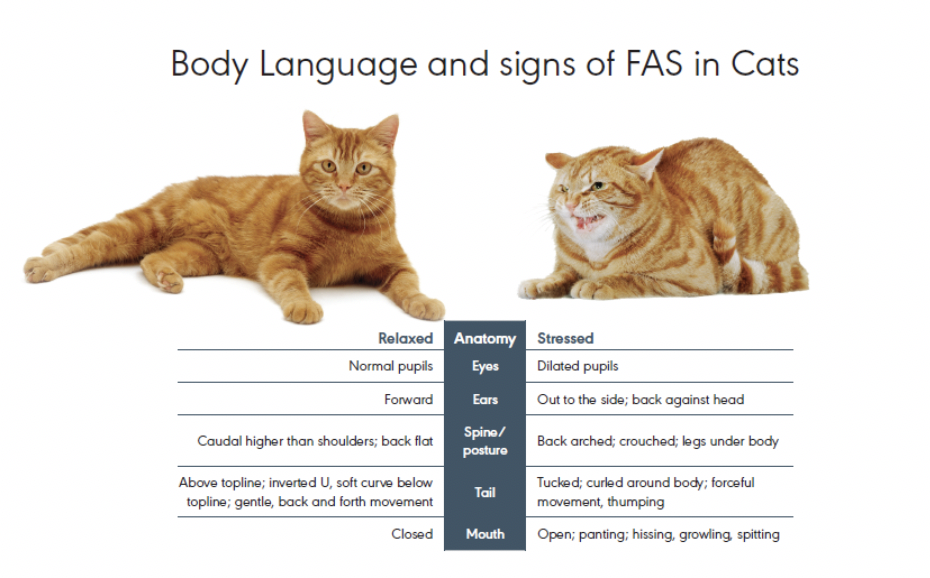
Body Language To Watch
Look at your cat’s ears. Are they flat or turned back? That shows fear. Watch the eyes. Wide pupils mean your cat feels scared. A tucked tail or crouched body also signals fear. Some cats puff up their fur to look bigger. This is a clear sign of distress.
Common Triggers
Loud noises scare many cats. Strange people or places can also cause fear. The carrier is often a big trigger. Cats may hate being put inside it. Sudden movements or unfamiliar smells can stress your cat too. Knowing these triggers helps you avoid surprises during the vet trip.
Prepare The Carrier
Preparing the carrier helps reduce your cat’s stress before the vet visit. A calm cat is easier to handle and safer for everyone. Spend time making the carrier a safe and welcoming place.
Start by choosing the right carrier. Comfort and security matter most.
Choosing The Right Carrier
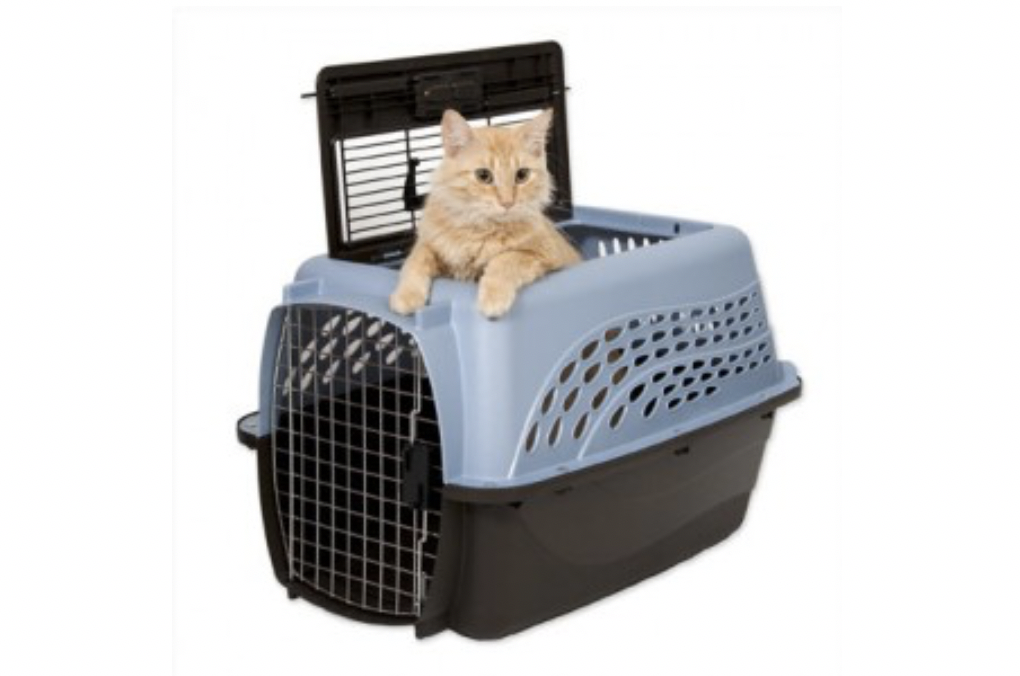
Pick a carrier that fits your cat well but is not too tight. It should be sturdy and easy to clean. A top-opening carrier helps you place your cat inside gently. Avoid carriers with sharp edges or loose parts. The carrier must have good ventilation for fresh air.
Making The Carrier Comfortable
Place a soft blanket or towel inside the carrier. Your cat needs something soft to lie on. Keep the bedding clean and dry. Add a small pillow or cushion if your cat likes it. Avoid strong smells from fresh detergents. Comfort helps your cat feel safe and calm.
Using Familiar Scents
Put a piece of your cat’s favorite blanket or toy in the carrier. Familiar smells reduce fear and anxiety. You can also spray a small amount of cat pheromone spray inside. These scents make the carrier feel like home. Let your cat explore the carrier before the trip. This builds trust and lowers stress.
Calm Your Cat Before The Trip
Taking a scared cat to the vet can be stressful for both of you. Calm your cat before the trip to make the journey easier. A relaxed cat is less likely to struggle or hide. Use simple steps to reduce your cat’s fear and anxiety. This helps keep your cat safe and comfortable during travel.
Gentle Handling Techniques
Hold your cat softly but firmly. Avoid sudden movements that might scare it. Support your cat’s body to make it feel secure. Speak in a quiet, soothing voice. Let your cat sniff your hand before picking it up. This builds trust and reduces stress.
Soothing Sounds And Scents
Play calm music or nature sounds during preparation. Soft sounds help lower your cat’s heartbeat. Use familiar scents, like a blanket or toy from home. These smells comfort your cat and ease anxiety. Keep the carrier in a quiet place before the trip.
Using Pheromone Sprays
Pheromone sprays mimic natural cat calming signals. Spray the carrier and your hands before handling your cat. The scent helps your cat feel safe and relaxed. Use the spray about 15 minutes before travel. It can reduce fear and make the trip smoother.
Transport Tips For Stress-free Travel
Transporting a scared cat to the vet can be stressful for both of you. Keeping the trip calm helps your cat stay relaxed. Simple steps can make travel easier and safer. Focus on creating a quiet and secure space during the ride.
Securing The Carrier
Use a sturdy carrier that closes tightly. Place soft blankets inside for comfort. Keep the carrier stable in the car. Strap it in with a seatbelt or place it on the floor. This stops it from moving or tipping over.
Keeping The Environment Quiet
Turn off loud music or radio sounds. Speak softly to calm your cat if needed. Avoid noisy places before and during travel. Silence helps lower your cat’s stress levels. A quiet space feels safer and less scary.
Avoiding Sudden Movements
Drive slowly and smoothly to prevent jolts. Avoid sharp turns or quick stops. Hold the carrier steady when moving it. Sudden moves can scare your cat more. Gentle handling keeps your cat calm and secure.
At The Vet’s Office
Taking a scared cat to the vet can be stressful for both pet and owner. The vet’s office is a new place filled with strange sounds and smells. This can make your cat anxious or scared. Staying calm and using good strategies helps your cat feel safer during the visit.
Waiting Room Strategies
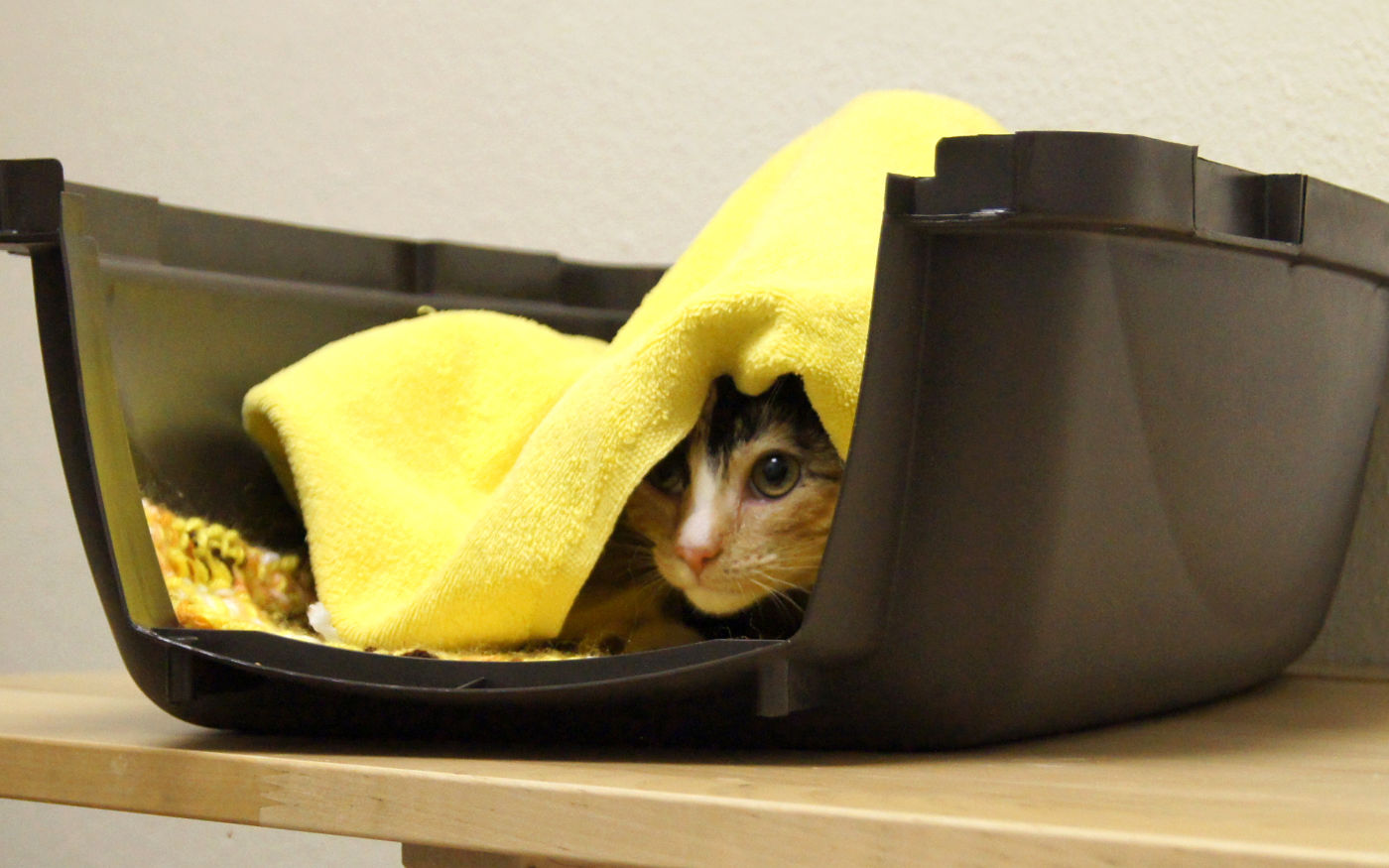
Keep your cat inside a secure carrier. Avoid taking your cat out in the waiting room. Look for a quiet corner to sit in. Cover the carrier with a light cloth to block out sights. Speak softly to your cat to soothe it. Bring a favorite toy or blanket for comfort. Do not rush or force your cat to come out.
Communicating With The Vet Staff
Tell the staff your cat is scared. Ask for a calm and gentle approach. Share any tips that help your cat relax. Request a quiet room if possible. Let the vet know about your cat’s behavior and fears. Good communication helps the vet prepare and act kindly.
Handling The Exam With Care
Hold your cat gently but firmly during the exam. Use slow movements to avoid startling your pet. Praise your cat with a soft voice. Allow breaks if your cat seems too stressed. The vet may use treats or soft petting to calm your cat. Handling with care makes the exam safer and easier.
Credit: longwoodvetcenter.com
Post-visit Comfort
After a visit to the vet, your cat may feel scared and stressed. Post-visit comfort helps your pet relax and recover. It also builds trust between you and your cat. Taking simple steps can make a big difference.
Rewarding Your Cat
Give your cat a treat after the vet visit. Choose a favorite snack or toy. Praise your cat with a soft voice. This creates a positive link with vet trips. Rewards help your cat feel safe and loved.
Creating A Safe Space
Set up a quiet, cozy spot for your cat. Use a soft bed or blanket in a calm room. Keep the area free from loud noises and bright lights. Let your cat rest without interruption. A safe space helps reduce fear and stress.
Monitoring For Stress Signs
Watch your cat for signs of stress after the visit. Look for hiding, loss of appetite, or excessive grooming. Restlessness or growling may also appear. If signs last more than a day, consult your vet. Early action keeps your cat healthy and calm.
Long-term Strategies
Helping a scared cat go to the vet takes time and patience. Long-term strategies build trust and reduce fear. These methods prepare your cat for vet visits step by step. Consistent practice helps your cat feel safe. Here are key strategies to try.
Regular Carrier Training
Introduce the carrier as a safe place at home. Leave it open with soft bedding inside. Place treats or toys near and inside the carrier. Let your cat explore it freely without rushing. Practice short sessions of sitting in the carrier. Gradually increase the time your cat spends inside. This helps the cat accept the carrier as familiar. Avoid forcing the cat inside quickly. Regular, calm exposure reduces carrier fear over time.
Positive Vet Visit Associations
Make vet visits less scary by linking them to good things. Bring favorite toys or treats to the visit. Praise your cat softly during and after the visit. Use calm and gentle tones to soothe your cat. Try short trips to the vet clinic without appointments. Leave the carrier in the waiting area for a few minutes. This helps your cat get used to the environment. Positive experiences reduce anxiety for future visits.
Considering Professional Help
Some cats need extra help to handle vet trips. A cat behaviorist can offer expert advice. They teach techniques to ease fear and stress. Veterinarians might suggest mild calming aids if needed. Professional help is useful for very scared or aggressive cats. It ensures safe and less stressful vet visits. Ask your vet about available support options. Getting help early can improve your cat’s comfort.
Credit: happycatshaven.org
Frequently Asked Questions
How Can I Calm A Scared Cat Before The Vet Visit?
Use soft voices and gentle petting. Offer treats and familiar toys to relax your cat.
What Is The Best Carrier For A Nervous Cat?
Choose a sturdy, well-ventilated carrier with a soft blanket inside for comfort and security.
How Early Should I Prepare My Cat For The Vet Trip?
Start getting your cat used to the carrier a few days before the visit.
Can I Use Calming Sprays Or Pheromones For Vet Trips?
Yes, calming sprays or pheromones can reduce anxiety and make travel easier.
How Do I Handle A Cat That Hides From The Carrier?
Try placing the carrier in a quiet spot and leave the door open for exploration.
Should I Avoid Feeding My Cat Before The Vet Appointment?
Feed light meals before the visit, unless the vet advises fasting for tests.
Conclusion
Getting a scared cat to the vet can be tough but doable. Stay calm and patient throughout the process. Use a quiet voice and gentle touch to soothe your cat. Prepare the carrier with soft bedding and familiar scents. Take breaks if your cat feels too stressed.
Remember, the vet visit helps keep your cat healthy. Small steps make a big difference. You can help your cat feel safer and less scared. Trust yourself and your cat will trust you too.
As an Amazon Associate, I earn from qualifying purchases.