Have you ever wondered what happens to a cat’s body after it passes away? Understanding how long a cat takes to decompose can help you prepare emotionally and make informed decisions about your pet’s final care.
Whether you’re facing the loss of a beloved furry friend or simply curious about the natural process, this article will guide you through the stages of decomposition in a clear and gentle way. Keep reading to discover what affects the timeline and what you can expect during this difficult time.
Factors Influencing Decomposition Time
Decomposition speed varies widely. Several factors affect how fast a cat’s body breaks down. Understanding these factors helps explain the process better. The environment, the cat’s body, and cause of death all play roles.
Environmental Conditions
Temperature changes the speed of decomposition. Warmer places speed up decay. Cold areas slow it down. Moisture also matters. Wet places help bacteria grow faster. Dry places keep the body longer. Sunlight exposure can dry the body quickly. Shade slows this drying process.
Cat’s Size And Health
Larger cats take longer to decompose than smaller ones. Fat and muscle affect decay rate. Healthy cats may decompose slower. Sick or weak cats might break down faster. The body’s condition at death changes the process.
Cause Of Death
The way a cat dies affects decay speed. Injuries or wounds can speed up decomposition. Certain diseases may also change the process. Natural causes often mean slower breakdown. Poison or toxins can alter how the body decomposes.
Stages Of Cat Decomposition
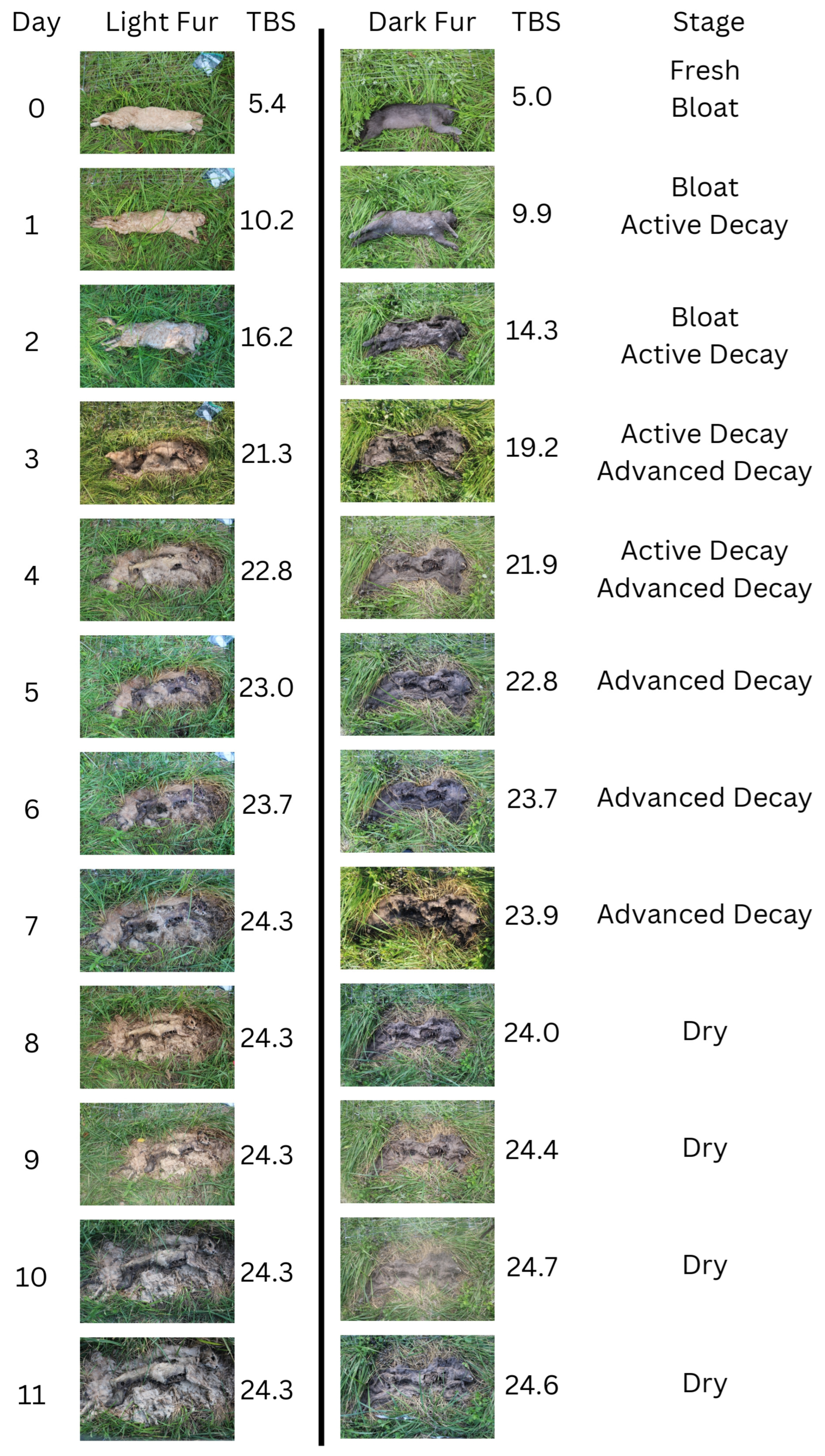
Understanding the stages of cat decomposition helps explain how long it takes for a cat to break down after death. This process follows a natural order. Each stage shows different changes in the body. The speed depends on temperature, environment, and other factors.
Fresh Stage
The fresh stage begins right after death. The cat’s body looks normal but stops breathing and moving. Cells start to die. Enzymes inside the body begin breaking down tissues. No visible signs of decay appear yet. This stage lasts for a few hours.
Bloat Stage
During the bloat stage, gases build up inside the body. This causes swelling and a strong smell. The cat’s skin may look stretched or shiny. Bacteria inside the intestines produce gas as they break down tissues. This stage lasts about two to six days.
Active Decay
Active decay is when the cat’s body breaks down quickly. Fluids leak from the body. Tissues soften and start to liquefy. Maggots and insects often appear to feed on the remains. This stage can last from five days to two weeks.
Advanced Decay
In advanced decay, most soft tissues disappear. The body shrinks and dries out. Fewer insects are present now. The smell becomes less strong. This stage may last several weeks depending on conditions.
Dry Remains
The final stage is dry remains. Only bones, hair, and some dried skin stay. The body no longer attracts insects. It can take months or even years for bones to fully break down. Weather and soil type affect this process.
Timeframe For Each Stage
Understanding how long a cat takes to decompose involves several stages. Each stage shows different changes in the body. Knowing these changes helps to grasp the natural process of decomposition. This section explains the timeframe for each stage clearly and simply.
First 24 To 72 Hours
Right after death, the body begins cooling down. This is called algor mortis. The cat’s muscles start to stiffen, known as rigor mortis. The skin may look pale and dry. Bacteria inside the body start breaking down cells. No strong smell appears yet, but internal changes begin.
Days 3 To 7
During this time, the body starts to bloat. Gases build up inside from bacteria. The skin may change color, turning greenish or dark. Fluids begin to leak from the body. The smell becomes stronger and unpleasant. Maggots and insects might appear, helping to break down tissues.
Weeks After Death
The body slowly breaks down into bones and hair. Soft tissues mostly disappear. Insects and bacteria continue consuming the remains. The smell fades as less tissue is left. Bones can last for months or years. The environment, temperature, and burial affect this stage.

Credit: www.reddit.com
Impact Of Burial And Preservation
The way a cat’s body breaks down depends a lot on how it is buried or preserved. These factors change the speed of decomposition. Understanding them helps explain why some pets take longer to decompose than others.
Burial Depth And Soil Type
Deeper burial slows decomposition. The body is cooler and less exposed to air. Microorganisms that break down the body work slower. Soil type also matters. Clay soil holds moisture and slows decay. Sandy soil drains water fast, speeding up decomposition. Oxygen levels in soil affect how fast bacteria work.
Embalming And Refrigeration Effects
Embalming uses chemicals to preserve the body. It greatly slows down decomposition. This method is common for pets kept longer before burial. Refrigeration also delays decay. Low temperatures slow bacterial growth. This keeps the body intact for days or weeks. Both methods help preserve the cat’s body for a longer time.
Common Misconceptions About Cat Decomposition
Many people have wrong ideas about how cats decompose after death. These ideas come from stories, movies, or old beliefs. Knowing the real facts helps us understand nature better. It also shows respect to animals and their remains. This section clears up some common myths and explains what really happens.
Myths Vs Reality
Some think a cat’s body disappears in just a few days. This is not true. Decomposition takes weeks or even months. The speed depends on many things, like temperature and location.
Others believe that a cat’s fur protects the body from decay. Fur can slow things down but does not stop decomposition. The body still breaks down over time.
Many assume that burial stops decomposition completely. Burial slows down decay but does not stop it. Microorganisms and insects still break down the body underground.
Influence Of Scavengers
Scavengers play a big role in how fast a cat decomposes. Animals like birds, raccoons, and insects eat the remains. This can make decomposition look faster.
In places with many scavengers, the body may disappear quickly. In isolated areas, decomposition takes longer.
Understanding scavengers helps explain why decomposition varies in different places.
Safety And Hygiene Considerations
Dealing with a decomposing cat requires careful attention to safety and hygiene. The process can release harmful bacteria and unpleasant odors. Taking proper steps protects your health and the environment. This section explains how to handle decomposing pets and stop disease spread.
Handling Decomposing Pets
Always wear gloves when touching a dead cat. Use a mask to avoid breathing in harmful germs. Place the body in a sealed plastic bag. Double-bagging helps contain fluids and odors. Store the body in a cool place until removal. Avoid direct contact with eyes, nose, or mouth. Wash hands thoroughly with soap after handling. Clean all tools and surfaces with disinfectant.
Preventing Disease Spread
Dead animals can carry bacteria and viruses. Keep pets and children away from the area. Disinfect the surrounding space to kill germs. Dispose of waste according to local rules. Use proper trash bags that can be sealed tightly. Avoid burying the body near water sources. This prevents contamination of soil and water. Report to local animal control if needed. Preventing disease keeps your home and community safe.
Alternatives To Traditional Burial
Choosing how to honor a beloved cat after it passes is deeply personal. Traditional burial is common but not the only option. Alternatives offer different ways to remember pets. They can suit various needs and beliefs. These methods often take less space and can be more eco-friendly. Exploring these options helps find the right fit for you and your pet’s memory.
Cremation Options
Cremation turns a pet’s body into ashes using high heat. It happens quickly compared to natural decomposition. Owners can keep ashes in urns or scatter them in special places. Some services offer individual cremation. This keeps ashes of one pet separate. Others use communal cremation, mixing ashes of many pets. Cremation is clean and simple. It avoids land use and keeps memories close.
Pet Composting
Pet composting is a newer way to handle remains. It uses natural processes to break down the body. This method creates nutrient-rich soil. The soil can help grow plants or trees. Composting is gentle to the earth and reduces waste. It takes several weeks to months for full composting. This option suits people who want an eco-friendly choice. It turns loss into new life in a meaningful way.

Credit: www.shutterstock.com
Credit: www.mdpi.com
Frequently Asked Questions
How Long Does It Take For A Cat To Fully Decompose?
A cat’s body usually takes 2 to 6 weeks to fully decompose, depending on conditions.
What Factors Affect How Fast A Cat Decomposes?
Temperature, humidity, and burial depth all speed up or slow down decomposition.
Does Burial Slow Down A Cat’s Decomposition Process?
Yes, burial can slow decomposition by limiting oxygen and exposure to insects.
How Does The Environment Impact A Cat’s Decomposition Speed?
Hot and wet environments speed decomposition; cold and dry slow it down.
Can A Cat’s Size Affect Decomposition Time?
Yes, larger cats take longer to decompose than smaller ones due to more body mass.
What Happens To A Cat’s Body During Decomposition?
The body breaks down into gases, liquids, and eventually returns to soil nutrients.
Conclusion
Understanding how long a cat takes to decompose helps with many questions. It depends on factors like temperature, environment, and burial method. In warm places, decomposition happens faster. In cooler spots, it takes longer. Knowing this can guide pet owners and veterinarians.
Nature follows its own rules, quietly and steadily. Each case is unique, so times may vary. Respect and care remain important through all stages. This knowledge brings calm and clarity during hard times.
As an Amazon Associate, I earn from qualifying purchases.