Grooming your cat at home can be a challenge, especially if your furry friend is anxious or restless. You want to keep your pet calm and safe, but how do you do that without causing stress?
If you’ve ever wondered how to sedate a cat for grooming, you’re not alone. You’ll discover simple, effective ways to help your cat relax during grooming sessions. By the end, you’ll feel confident and prepared to make grooming easier for both you and your cat.
Keep reading—you’re about to learn tips that can change your grooming routine for the better.

Credit: www.wikihow.com
Reasons To Sedate Cats For Grooming
Sedating a cat for grooming is sometimes necessary. Cats can react strongly to grooming. Some cats become very nervous or scared. Sedation helps make the process calm and safe. Understanding why sedation might help is important. It protects both the cat and the person grooming.
Here are the main reasons to sedate cats for grooming at home.
Stress And Anxiety In Cats
Cats often feel stress during grooming. Loud noises and new smells can scare them. Some cats have had bad grooming experiences. This makes them fearful and tense. Sedation helps reduce their stress. It keeps cats calm and relaxed. A relaxed cat is easier to groom safely.
Handling Aggressive Behavior
Some cats show aggression during grooming. They may scratch, bite, or hiss. Aggressive behavior can hurt the cat or groomer. Sedation helps lower aggression. It keeps the cat still and quiet. This makes grooming safer for everyone.
Benefits For Groomers And Pets
Sedation helps groomers do their job well. It reduces the time needed for grooming. Cats stay calm, so grooming is gentle. This lowers risk of injury. Sedated cats have less pain and discomfort. Sedation helps keep the grooming process smooth and safe.
Signs Your Cat Needs Sedation
Knowing when your cat needs sedation for grooming helps keep them safe. Some cats show clear signs that grooming is stressful or painful. Recognizing these signs helps you decide if sedation is needed. Watch your cat’s behavior closely before grooming.
Fidgeting And Resistance
Fidgeting means your cat moves a lot during grooming. They may try to escape or pull away. This makes grooming hard and risky. Constant squirming can cause injury to your cat or you. Sedation calms them and helps grooming go smoothly.
Vocalization And Aggression
Loud meowing, growling, or hissing shows your cat is upset. Aggression like biting or scratching is a strong warning. These actions mean your cat feels scared or threatened. Sedation reduces stress and helps keep everyone safe.
Previous Grooming Challenges
Past problems during grooming show your cat might need sedation. If grooming took a long time or was very stressful, sedation can help. Cats that had bad experiences may fear grooming. Sedation makes the process easier and less painful.
Safe Sedation Methods
Safe sedation methods help keep your cat calm during grooming. They reduce stress and avoid injury for both you and your cat. Choosing the right sedation method is important for your cat’s health and comfort. Always use safe and tested ways to sedate your cat at home.
Consulting A Veterinarian
Talk to a veterinarian before sedating your cat. They know your cat’s health and behavior best. The vet can suggest the safest sedation options. A professional check-up helps avoid health risks during sedation. Do not give any medication without veterinary advice.
Natural Sedatives And Remedies
Natural sedatives can calm your cat gently. Examples include chamomile, valerian root, or lavender scents. These are less risky than strong drugs. Use natural remedies only after checking with your vet. Some cats may not respond to natural sedatives.
Prescription Medications
Prescription sedatives are stronger and need a vet’s prescription. These medicines work fast to calm anxious cats. Follow the vet’s dosage and instructions exactly. Never use human medicine or leftover drugs. Watch your cat closely for side effects during sedation.
Preparing Your Cat For Sedation
Preparing your cat for sedation is a key step before grooming at home. It helps keep your cat safe and calm. Proper preparation reduces stress and makes the process smoother. This section explains how to get ready for sedation.
Calm Environment Setup
Create a quiet and comfortable space for your cat. Remove loud noises and bright lights. Use soft blankets or towels for a cozy spot. Keep other pets away during preparation. Speak softly to soothe your cat. A calm place helps lower anxiety and makes sedation easier.
Feeding And Hydration Guidelines
Follow specific feeding instructions before sedation. Usually, avoid feeding your cat for 6 to 8 hours. Water can be given until 2 hours before sedation. Proper fasting helps prevent nausea or vomiting. Always check with your vet about feeding rules. Keep your cat hydrated but avoid overfeeding.
Monitoring Health Conditions
Check your cat’s health before sedation. Note any signs of illness or discomfort. Inform your vet about allergies or medications. Older cats or those with health issues need extra care. Monitor breathing and heart rate if possible. Good health ensures safer sedation and grooming.
Administering Sedation At Home
Administering sedation at home helps calm your cat during grooming. It makes the process safer and less stressful for both you and your pet. Understanding how to give sedation correctly is key. Use the right methods to keep your cat comfortable and healthy.
Following Dosage Instructions
Always follow the vet’s dosage instructions carefully. Use the exact amount prescribed for your cat’s weight and health. Never guess or give extra doses. Incorrect dosage can harm your cat or cause side effects. Measure doses precisely with a syringe or dropper if needed.
Using Treats And Pills
Some cats accept sedation in treats or food. Hide the pill inside a small piece of meat or cheese. This makes it easier to give medication without stress. You can also use pill pockets made for cats. If your cat resists, try wrapping the pill in a soft treat.
Timing And Observation
Give the sedation at the right time before grooming. Usually, 30 minutes to one hour is enough for the medicine to work. Watch your cat closely after giving sedation. Look for signs of calmness or any unusual behavior. Contact your vet if your cat seems very sleepy or unwell.

Credit: www.wikihow.com
Grooming Tips While Cat Is Sedated
Grooming a sedated cat needs care and patience. This time is ideal to clean fur, trim nails, and check skin. Proper techniques keep your cat calm and safe. Follow these tips to make grooming smooth and stress-free.
Gentle Handling Techniques
Handle your cat with soft and slow movements. Avoid sudden touches that may startle the cat. Support the cat’s body to prevent slipping. Use calm voices to comfort your cat during grooming. Keep the cat’s head and neck stable for safety.
Tools For Efficient Grooming
Use sharp nail clippers designed for cats. A soft brush helps remove loose fur easily. Choose grooming tools with comfortable grips for better control. Keep all tools within reach before starting. Clean tools after use to prevent infections.
Avoiding Common Mistakes
Do not groom too long while the cat is sedated. Avoid pulling tangles harshly; use a detangler spray instead. Never leave the cat unattended during grooming. Do not use human products on your cat’s fur. Watch for signs of discomfort and stop if needed.
Aftercare Post Grooming
After grooming your cat with sedation, care must continue at home. The cat’s body is still sensitive from the sedative and grooming process. Proper aftercare helps your pet recover safely and comfortably. Watch your cat closely and provide a calm space to rest. Keep the environment quiet and warm. Avoid sudden movements or loud noises. Your cat needs gentle care during this time.
Monitoring Recovery
Check your cat often for alertness and movement. The sedative effects usually wear off within a few hours. Your cat should start to respond to sounds and touch. Keep your pet in a safe area to prevent falls or injury. Do not leave your cat alone until fully awake. Note any unusual behavior or weakness. Record the time of sedation and recovery to track progress.
Signs Of Adverse Reactions
Look for heavy breathing or difficulty breathing. Watch for vomiting or diarrhea. Sudden weakness or unsteady walking needs attention. Excessive drooling or shaking can signal a problem. If your cat shows these signs, contact your vet immediately. Early action can prevent serious complications. Keep emergency numbers handy for quick response.
Comfort And Rehydration
Provide fresh water as soon as your cat is awake. Offer small amounts to avoid choking. Do not force feed or give food too soon. Keep your cat warm with a soft blanket or bed. Gentle petting can soothe and calm your pet. Avoid stress and loud noises around your cat. Rest and hydration help your cat recover faster.
Credit: www.catster.com
Alternatives To Sedation
Sedating a cat for grooming can feel risky for many pet owners. Sedation is not the only way to help your cat stay calm during grooming. There are gentle alternatives that keep your cat safe and stress-free. These options focus on behavior, environment, and support. They often work well for cats that dislike grooming or feel anxious.
Behavioral Training
Training your cat to accept grooming takes time and patience. Start with short sessions and gentle touch. Reward your cat with treats and praise to create positive feelings. Gradually increase grooming time as your cat gets used to it. Consistency is key. This approach reduces fear and resistance during grooming.
Professional Grooming Services
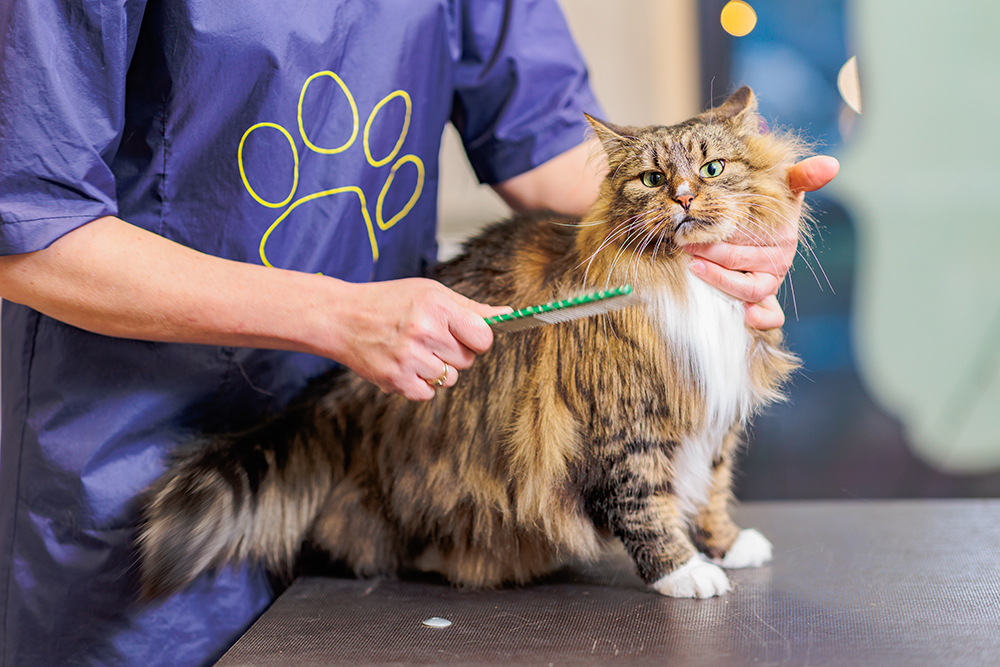
Professional groomers have experience handling anxious cats. They use calm techniques and special tools. Professionals can groom your cat safely and quickly. They often have quiet spaces to reduce stress. If home grooming feels hard, a groomer can be a great help.
Using Calming Products
Calming products help relax your cat naturally. Options include pheromone sprays, calming collars, and herbal supplements. These products create a soothing environment. Use them before and during grooming sessions. They can lower anxiety and make grooming easier.
Frequently Asked Questions
How Safe Is Sedating A Cat At Home For Grooming?
Sedating a cat at home can be risky. Always consult a vet before using any sedatives.
What Are Natural Ways To Calm A Cat Before Grooming?
Use gentle petting, soft voices, and calming sprays to relax your cat naturally.
Which Sedatives Are Best For Cat Grooming At Home?
Only vet-prescribed sedatives are safe. Never use human medications or over-the-counter drugs.
How Long Does A Cat Stay Sedated During Grooming?
Sedation usually lasts between 30 minutes to a few hours, depending on the drug and dose.
Can Sedation Harm My Cat’s Health During Grooming?
Improper sedation can cause breathing or heart problems. Vet guidance is essential for safety.
What Should I Prepare Before Sedating My Cat For Grooming?
Prepare a quiet space, have all grooming tools ready, and follow your vet’s sedation instructions.
Conclusion
Sedating a cat for grooming takes patience and care. Always consult a vet before giving any medication. Use gentle handling to keep your cat calm and safe. Watch your cat closely during the process for any signs of distress. Keep grooming sessions short and comfortable.
With proper steps, grooming at home can be less stressful. Your cat will feel better and look cleaner too. Stay calm, be gentle, and keep your cat’s health first. Safe grooming helps build trust and makes future sessions easier.
As an Amazon Associate, I earn from qualifying purchases.