If you’ve just welcomed a new litter of kittens, you want to protect them at all costs. But what if your cat starts showing signs of aggression toward her babies?
It’s a heartbreaking and confusing situation, and you might be wondering how to stop a cat from eating her kittens. You’re not alone, and there are ways to help your cat feel safe and cared for, so she won’t harm her little ones.
Keep reading to discover practical steps you can take right now to protect your kittens and support your cat’s natural instincts.
Credit: www.catster.com
Reasons Cats Eat Their Kittens
Cats eating their kittens is rare but can happen. It is a natural behavior in some cases. Understanding why this occurs helps prevent it. Several reasons may cause a mother cat to harm her kittens. These reasons include stress, health, environment, and instincts.
Stress And Anxiety
Stress is a top reason for this behavior. Loud noises or many people can scare the cat. A new home or changes in routine also cause anxiety. When stressed, a cat may act strangely. Protecting the kittens can seem impossible to her.
Health Issues
Illness can make a mother cat weak or confused. Pain or infection may affect her behavior. Poor nutrition or lack of care lowers her energy. Sometimes, the cat does not recognize her babies. This leads to unusual and harmful actions.
Environmental Factors
A dirty or unsafe space upsets the mother cat. Lack of privacy can make her feel exposed. Extreme temperatures or poor shelter affect her mood. The cat may reject or harm kittens to keep them safe. A calm and clean area helps her feel secure.
Lack Of Maternal Instinct
Young or first-time mothers may lack experience. Some cats do not have strong maternal instincts. They may not know how to care for kittens. This can cause neglect or harmful behavior. Patience and support can teach a cat to care properly.
Signs A Cat Might Harm Her Kittens
Knowing the signs that a cat might harm her kittens helps protect the little ones early. Some cats may feel stressed or scared and act in ways that can hurt their babies. Watching your cat closely after she gives birth is very important. Spotting these signs early can prevent serious problems.
Aggressive Behavior
A cat might bite or scratch her kittens without clear reason. She may hiss loudly or growl when the kittens come near. This behavior shows she feels threatened or uneasy. Aggression can lead to injury or even death of the kittens.
Neglect And Abandonment
Sometimes a mother cat ignores her kittens. She may leave them alone for hours or not feed them. This neglect can cause kittens to become weak or sick. A cat that abandons her kittens is at risk of harming them indirectly.
Excessive Grooming
Cleaning is normal, but too much grooming can be harmful. A cat may lick her kittens so much that their skin gets raw or bruised. This behavior often comes from stress or confusion. Watch for bald spots or sores on the kittens’ bodies.
Restlessness
A restless mother cat moves around constantly and seems anxious. She may pick up and drop her kittens often. This unsettled behavior can cause harm by accident. Restlessness often shows the cat is not comfortable or feels unsafe.
Preventing Kitten Cannibalism
Preventing kitten cannibalism is crucial for the safety of newborn kittens. Some mother cats may eat their kittens due to stress, poor health, or lack of resources. Taking steps to create a calm and safe environment helps reduce this behavior. Ensuring the mother cat has proper care and nutrition supports her natural instincts to protect her young.
Creating A Safe Space
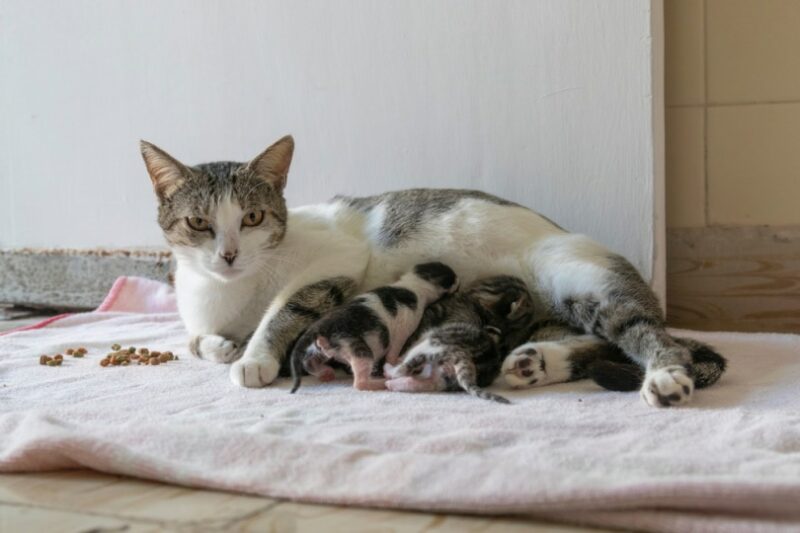
Provide a quiet, warm area for the mother cat and her kittens. Use a box or a small room away from noise and other pets. Keep the space clean and comfortable with soft bedding. A secure area helps the cat feel safe and less likely to harm her kittens.
Minimizing Stress
Limit visitors and loud sounds near the mother cat. Avoid sudden movements or changes in the environment. Stress can cause the cat to act out against her kittens. Calm surroundings help her focus on caring for her babies.
Proper Nutrition
Feed the mother cat high-quality food with extra nutrients. Nursing cats need more calories and vitamins to stay healthy. Good nutrition supports milk production and her energy levels. A well-fed cat is less likely to harm her kittens.
Monitoring The Cat’s Health
Watch for signs of illness or pain in the mother cat. Regular vet check-ups ensure she is healthy after birth. Pain or sickness can make her confused or aggressive. Early care helps prevent any risk to her kittens.
:strip_icc()/post-natal-cat-care-555416_source_file-bff982a363c3441a872fe8f6f69f2bac.jpg)
Credit: www.thesprucepets.com
Intervening Safely
Intervening safely is important when a cat shows signs of harming her kittens. Acting carefully helps protect both the mother and her babies. Quick and calm steps can stop bad behavior without causing stress.
When To Step In
Step in only if the cat is aggressive or tries to eat her kittens. Watch for repeated biting or serious harm. If the mother just cleans or moves kittens, do not interrupt. Trust your observation. Protect kittens from real danger.
Handling The Kittens
Handle kittens gently and with clean hands. Keep them warm and quiet while you check them. Avoid sudden movements or loud noises. Handle kittens only if needed. Return them to the mother quickly after checking.
Separating The Cat Temporarily
Separate the cat if she continues to harm kittens. Use a safe, quiet room for the mother. Provide food, water, and a litter box nearby. Keep kittens warm and in a soft bed. Monitor both mother and kittens often. Reintroduce them slowly when safe.
Seeking Professional Help
Seeking professional help is important when a cat shows signs of harming her kittens. Experts can find the cause and suggest the best steps. They have the knowledge to handle this sensitive issue carefully.
Veterinarian Consultation
A vet can check the mother cat’s health. Illness or pain might cause unusual behavior. The vet also checks if the kittens are healthy. Sometimes, medical problems make the mother stressed or confused.
Vaccines and nutrition advice may help the cat feel better. Vets may suggest ways to keep kittens safe. Early medical care can stop problems from getting worse.
Behavioral Specialists
Animal behaviorists study why cats act a certain way. They watch the cat and kittens closely. These experts suggest changes in the environment.
They teach owners how to calm the mother. Stress, fear, or confusion can cause bad actions. Specialists guide owners to build trust and safety.
Emergency Care
Immediate help is needed if kittens are in danger. Emergency vets provide urgent treatment for injured kittens. They can separate the mother if needed.
Quick action saves lives and reduces trauma. Emergency care also helps the mother cat recover. Fast response is critical in these cases.
Long-term Care For Mother And Kittens
Long-term care is vital for both mother cat and her kittens. Proper care helps keep them healthy and safe. It also prevents problems like the mother harming her kittens. Caring well builds trust and comfort in their environment. This care continues beyond the first few weeks. It supports growth and strong bonds between them all.
Regular Health Checks
Check the mother and kittens often for health issues. Watch for signs of illness or injury. Take them to the vet for regular exams. Vaccinations and parasite control are important. Healthy cats are less stressed and more relaxed. Early treatment stops problems from getting worse.
Socialization Of Kittens
Help kittens get used to people and other animals. Gentle handling makes them feel safe and calm. Play with them daily using toys and soft voices. Social kittens grow into friendly, confident cats. This reduces fear and stress for the mother. It also lowers chances of harmful behaviors.
Ongoing Stress Reduction
Keep the home quiet and peaceful around mother and kittens. Avoid loud noises and sudden movements. Provide a warm, clean, and private space for the family. Use calming scents or soft music if needed. Stress can cause the mother to act out. Calm surroundings encourage her to care for her kittens.

Credit: www.youtube.com
Frequently Asked Questions
Why Does A Cat Eat Her Kittens?
Stress, illness, or lack of experience can cause this behavior in mother cats.
How Can I Prevent A Cat From Harming Her Kittens?
Provide a quiet, safe space and reduce stress around the mother cat.
When Should I Separate The Cat From Her Kittens?
Only if the mother is aggressive or the kittens are in danger.
Can Poor Nutrition Cause A Cat To Eat Her Kittens?
Yes, lack of proper food can lead to unusual and harmful behaviors.
What Signs Show A Cat Might Harm Her Kittens?
Restlessness, aggression, or neglect toward the kittens are warning signs.
Should I Consult A Vet If My Cat Eats Her Kittens?
Yes, a vet can check health issues and offer advice to help.
Conclusion
Stopping a cat from eating her kittens takes care and patience. Watch her closely and create a calm space for her. Offer plenty of food and water to keep her healthy. Make sure the nest is quiet and safe from stress.
Sometimes, a vet’s advice can help solve the problem. Protecting the kittens means protecting their future. Keep trying, and stay gentle with the mother cat. Your care makes a big difference for both mother and babies.
As an Amazon Associate, I earn from qualifying purchases.