Is your beautiful rug becoming a daily victim of your cat’s scratching? You’re not alone—and the good news is, you can stop this behavior without upsetting your furry friend.
Imagine enjoying a pristine rug while keeping your cat happy and healthy. You’ll discover simple, effective steps to protect your rug and understand why your cat scratches in the first place. Keep reading, and you’ll learn how to create a peaceful home for both you and your pet.
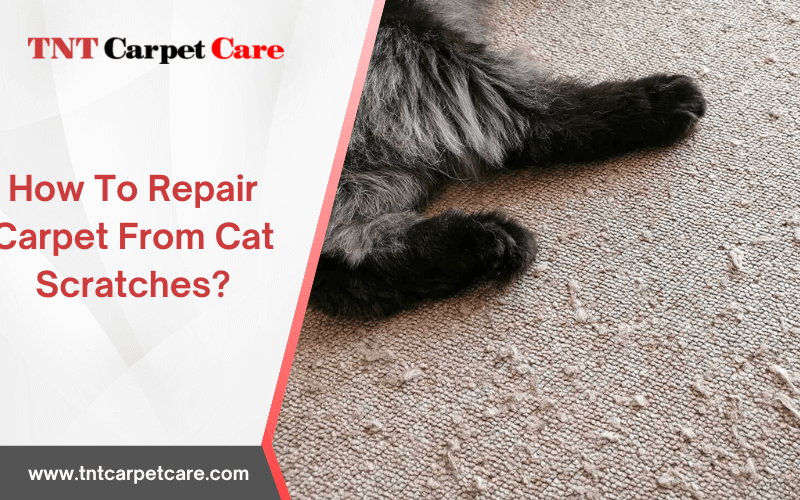
Credit: www.prologisfreight.com
Why Cats Scratch Rugs
Cats scratching rugs can be puzzling and frustrating. Understanding why cats do this helps to manage their behavior better. Cats use scratching to express natural urges and communicate. This habit is not just random damage; it has deeper reasons rooted in their nature.
Natural Instincts
Scratching is part of a cat’s natural behavior. Cats have sharp claws that need care. Scratching helps them remove old claw layers. It also keeps their claws sharp and healthy. This instinct comes from their wild ancestors.
Marking Territory
Cats scratch to mark their space. Their paws release scent from special glands. This scent tells other cats that this area is taken. Rugs often lie in places cats like to claim. Scratching leaves both a visual and scent mark.
Stress And Boredom
Scratching can relieve stress for cats. When cats feel anxious or bored, they need an outlet. Scratching helps them release energy and calm down. Rugs may become targets when cats have no other toys.
Choosing The Right Alternatives
Choosing the right alternatives helps protect your rug from scratches. Cats need places to scratch. Providing good options keeps them happy. It also saves your home from damage. The key is to find items cats enjoy using. These alternatives must feel natural and fun for your cat.
Scratching Posts And Pads
Scratching posts and pads offer a perfect place to scratch. They come in many materials like sisal, carpet, and cardboard. Cats often prefer rough textures that feel good on their claws. Place posts near the rug your cat scratches. This helps them switch to the post easily.
Choose tall posts for cats that like to stretch. Shorter pads work well for cats that scratch on flat surfaces. Try different types to see what your cat likes best. Reward your cat with treats when they use the post. This encourages good behavior.
Cat Trees And Furniture
Cat trees and furniture combine scratching areas with climbing fun. They give cats a place to play, hide, and rest. Many have built-in scratching posts or pads. This makes them a great all-in-one option.
Pick a stable tree to keep your cat safe. Add it near the rug to attract your cat’s attention. Cats like to explore new spots. Cat trees offer many levels and textures to satisfy scratching instincts.
With the right choice, your cat will use the alternatives. Your rug stays safe. Your cat stays happy.
Training Your Cat
Training your cat can stop unwanted scratching on your rug. Cats scratch to mark territory and keep claws sharp. Teaching them better habits helps protect your floors and rugs. Training needs patience and clear steps.
Positive Reinforcement
Reward your cat when it scratches the right place. Use treats or gentle praise. This shows good behavior gets attention. Avoid punishment. It can scare your cat and cause stress. Positive reinforcement makes learning fun and effective.
Redirecting Scratching Behavior
Provide scratching posts or pads near the rug. Encourage your cat to use them by placing toys or treats there. Move your cat gently to the post when it starts scratching the rug. Consistent redirection helps build new habits fast. Replace old rugs with materials cats dislike, like plastic covers.
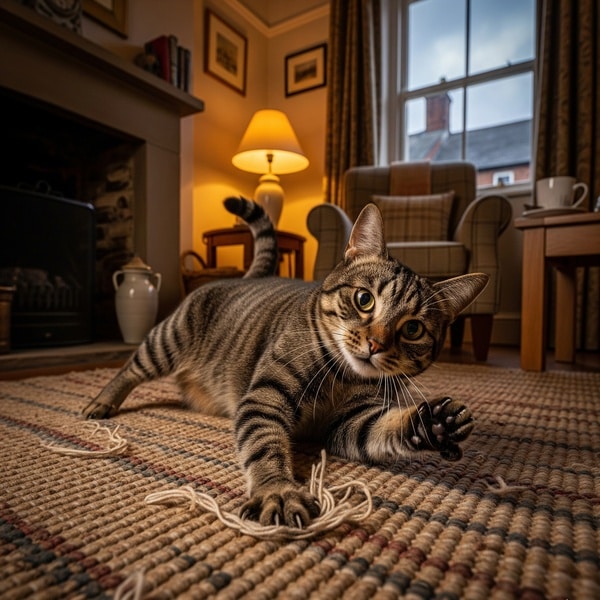
Credit: the-rugs.com
Protecting Your Rug
Protecting your rug from cat scratching is important to keep your home neat. Cats scratch to mark territory and keep claws sharp. Rugs can get damaged quickly without protection. Using smart methods can save your rug and keep your cat happy.
Using Deterrent Sprays
Deterrent sprays help stop cats from scratching rugs. These sprays have smells cats dislike but humans find mild. Spray the rug edges or spots your cat scratches. Repeat often to keep the scent fresh. Avoid harsh chemicals that may harm your cat. Natural sprays with citrus or eucalyptus work well.
Physical Barriers And Covers
Cover your rug with plastic or vinyl mats to protect it. Cats dislike the slippery surface and avoid scratching there. Use furniture or screens to block access to the rug. Place double-sided tape on rug edges; cats avoid sticky paws. These barriers keep your rug safe without hurting your cat.
Maintaining Cat’s Claw Health
Maintaining your cat’s claw health helps reduce rug scratching. Healthy claws cause less damage and keep your cat comfortable. Focus on simple care routines to protect your furniture and flooring.
Regular Nail Trimming
Trim your cat’s nails every two to three weeks. Use a special pet nail clipper for safety. Cut only the sharp tips. Avoid the pink part, called the quick. It hurts if you cut it. Regular trimming keeps claws short and less sharp. Short nails reduce the need to scratch hard surfaces like rugs.
Soft Nail Caps
Soft nail caps cover your cat’s claws. They stop scratching damage without hurting your pet. Nail caps come in different sizes and colors. Apply them carefully with pet-safe glue. They last for weeks and fall off naturally. Nail caps help protect rugs and furniture. They also keep claws in good shape.
Creating A Stimulating Environment
Creating a stimulating environment helps stop your cat from scratching the rug. Cats need mental and physical activities to stay happy. Bored cats often scratch furniture or rugs. Giving your cat other ways to play can reduce this behavior. Simple changes in their environment can make a big difference.
Interactive Toys
Interactive toys keep cats busy and focused. Toys that move or make noise catch their attention. Feather wands, laser pointers, and puzzle feeders work well. These toys tap into your cat’s natural hunting instincts. They help burn energy and reduce boredom. Rotate toys regularly to keep your cat interested.
Playtime And Exercise
Daily playtime is vital for your cat’s health. Short, frequent sessions work best. Use toys that encourage chasing and jumping. Exercise helps your cat feel tired and relaxed. Tired cats are less likely to scratch rugs. Play also builds trust between you and your pet.
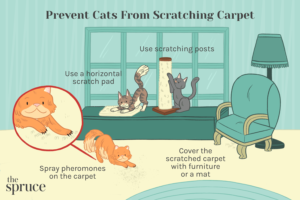
:strip_icc()/keep-cat-from-scratching-carpet-554831-hero-4ff16ebbd551426dbe23b6452ee75109.jpg)
Credit: www.thesprucepets.com
Frequently Asked Questions
Why Do Cats Scratch Rugs Frequently?
Cats scratch to mark territory, sharpen claws, and stretch muscles. Rugs feel soft and inviting.
How Can I Protect My Rug From Cat Scratches?
Use a scratching post nearby, apply double-sided tape, or cover rug edges with plastic.
What Type Of Scratching Posts Stop Rug Scratching?
Tall, sturdy posts with rough surfaces like sisal attract cats and save rugs.
Can Nail Trimming Reduce My Cat’s Rug Scratching?
Yes, regular nail trims dull claws and lower damage to rugs and furniture.
Does Using Cat Deterrent Sprays Help Prevent Rug Scratching?
Yes, sprays with citrus or bitter scents discourage cats from scratching rugs.
How To Train A Cat To Stop Scratching Rugs?
Reward good behavior, redirect scratching to posts, and be patient with consistent training.
Conclusion
Stopping your cat from scratching the rug takes patience and care. Offer your cat good alternatives like scratching posts or mats. Use gentle training and rewards to guide their behavior. Keep your cat’s claws trimmed to reduce damage. Protect rugs with covers or sprays made for pets.
Watch your cat closely and change your approach if needed. Small steps help keep both your cat and home happy. Consistency is key to success. Your efforts will create a peaceful space for everyone.
As an Amazon Associate, I earn from qualifying purchases.