Is your cat pooping on the carpet, leaving you frustrated and unsure what to do next? You’re not alone, and the good news is that this problem can be fixed.
Understanding why your cat is avoiding the litter box is the first step to stopping this behavior for good. You’ll discover simple, effective tips that can help you get your cat back to using the litter box—and keep your carpet clean.
Keep reading, because a fresh, odor-free home is just around the corner.
:strip_icc()/cat-on-rug-57b73cec3df78c87639413a3.jpg)
Credit: www.thesprucepets.com
Reasons Cats Poop On Carpet
Cats pooping on the carpet can confuse and frustrate pet owners. Understanding the reasons helps find the right solution. Cats do not usually poop outside their litter box without a cause. Several factors can lead to this behavior.
Medical Issues
Health problems can cause cats to avoid the litter box. Conditions like diarrhea or constipation make bathroom habits painful. Urinary tract infections and digestive issues also lead to accidents. A vet visit can rule out or treat medical causes quickly.
Litter Box Problems
Cats are picky about their bathroom spots. A dirty litter box can drive them away. The box size, type, or location might be uncomfortable. Using the wrong kind of litter can also bother them. Keep the box clean and place it in a quiet area.
Stress And Anxiety
Changes in the home upset cats deeply. New pets, visitors, or loud noises cause stress. Moving furniture or changes in routine may also trigger anxiety. Stress can make cats avoid their litter box. Calm environments help reduce this behavior.
Territorial Marking
Cats use poop to mark territory sometimes. This behavior is more common in unneutered males. It can also happen if another cat invades their space. Pooping on carpet sends a message to others. Neutering and managing other pets helps control this.

Credit: cepatmix.com
Choosing The Right Litter Box
Choosing the right litter box is key to stop your cat from pooping on carpet. Cats need comfort and privacy to use their litter box. The right box makes them feel safe and clean. This helps keep your carpet free from accidents.
Size And Type
Pick a litter box that fits your cat’s size. Small boxes can be uncomfortable and cause accidents. Large cats need bigger boxes to move and turn easily. Also, consider the type. Covered boxes offer privacy but may trap smells. Open boxes give space but less privacy. Watch your cat’s preference to choose the best type.
Location Matters
Place the litter box in a quiet, low-traffic area. Loud noises or busy spots stress cats. Avoid placing boxes near food or water bowls. Cats want calm and privacy when they go. Good location encourages proper use and keeps carpet clean.
Number Of Boxes
Provide enough litter boxes for your cats. The rule is one box per cat plus one extra. Multiple boxes reduce competition and stress. More options help prevent accidents outside the box. Spread them out to give your cat choices and comfort.
Best Litter And Cleaning Practices
Keeping your cat from pooping on the carpet starts with the right litter and cleaning habits. Cats are picky about their litter boxes. The smell and cleanliness affect their choice. Proper litter and cleaning help them feel comfortable and safe. This reduces accidents outside the box.
Litter Preferences
Choose a litter your cat likes. Most cats prefer unscented, clumping litter. It feels soft and is easy to dig in. Avoid dusty or scented litters. Some cats reject strong smells. Try different types to see what your cat prefers. Keep the litter box in a quiet, private spot.
Cleaning Frequency
Clean the litter box daily. Remove waste and clumps to keep it fresh. Cats avoid dirty boxes. Wash the box with mild soap once a week. Rinse well to remove soap. A clean box encourages your cat to use it every time.
Odor Control
Control odors to keep your home fresh. Use baking soda under the litter to absorb smells. Change the litter regularly to prevent bad odors. Good ventilation helps reduce smell in the room. A fresh-smelling box keeps your cat coming back.
Credit: produtoresflorestais.pt
Behavioral Training Techniques
Behavioral training helps change your cat’s habits gently and effectively. It teaches your cat where to go without stress or punishment. These techniques use patience and clear signals to guide your cat’s actions.
Training your cat to avoid pooping on the carpet can take time. Consistency and calm approach work best. Use these behavioral training methods to see positive results.
Positive Reinforcement
Reward your cat when it uses the litter box. Treats, gentle petting, or soft praise work well. Cats learn faster with positive feedback. Avoid scolding or punishment as it creates fear. Rewarding good behavior builds trust and encourages repetition.
Deterring Carpet Use
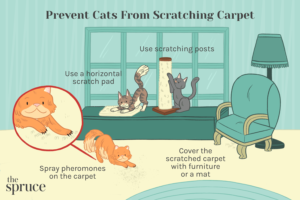
Make the carpet less appealing to your cat. Use safe sprays with scents cats dislike. Place aluminum foil or double-sided tape on problem areas. Cats avoid sticky or noisy surfaces. Keep these deterrents until your cat stops pooping on the carpet.
Establishing A Routine
Feed your cat at the same times daily. Cats tend to poop after eating. Take your cat to the litter box after meals. Regular visits create a habit. A steady routine helps your cat feel secure and reduces accidents.
Addressing Medical Concerns
When a cat starts pooping on the carpet, medical problems might be the cause. Health issues can make it hard for cats to use their litter box. Checking your cat’s health helps find the real problem. Early care can stop this behavior fast.
When To Visit The Vet
Take your cat to the vet if accidents happen often. Sudden changes in bathroom habits need a vet’s check. Look for signs like blood in stool or pain. If your cat strains or cries when pooping, see the vet. Also, visit the vet if your cat seems sick or weak.
Common Health Issues
Urinary tract infections cause pain and accidents outside the box. Digestive problems can make pooping painful or urgent. Constipation may lead cats to avoid the litter box. Kidney or bladder problems also affect bathroom habits. Your vet can diagnose and treat these issues quickly.
Environmental Adjustments
Changing your cat’s environment can help stop carpet pooping. Cats feel safe and calm in the right space. Small changes make a big difference.
Reducing Stress
Stress can cause cats to poop outside the litter box. Loud noises, new people, or pets increase stress. Keep the home quiet and calm. Give your cat time to adjust to changes. Play with your cat daily to ease tension.
Safe Spaces
Cats need a quiet, cozy place to relax. Create a safe spot with a soft bed or blanket. Place it away from busy areas. This space helps your cat feel secure. A calm cat uses the litter box more often.
Using Pheromone Products
Pheromone sprays and diffusers calm cats naturally. These products mimic cat calming signals. Place them near litter boxes and resting spots. Use them daily for best results. They help reduce anxiety and unwanted behaviors.
Cleaning And Removing Stains
Cleaning and removing stains from carpet is very important after your cat poops outside the litter box. It keeps your home fresh and stops bad smells. It also helps stop your cat from pooping on the carpet again.
Effective Cleaning Solutions
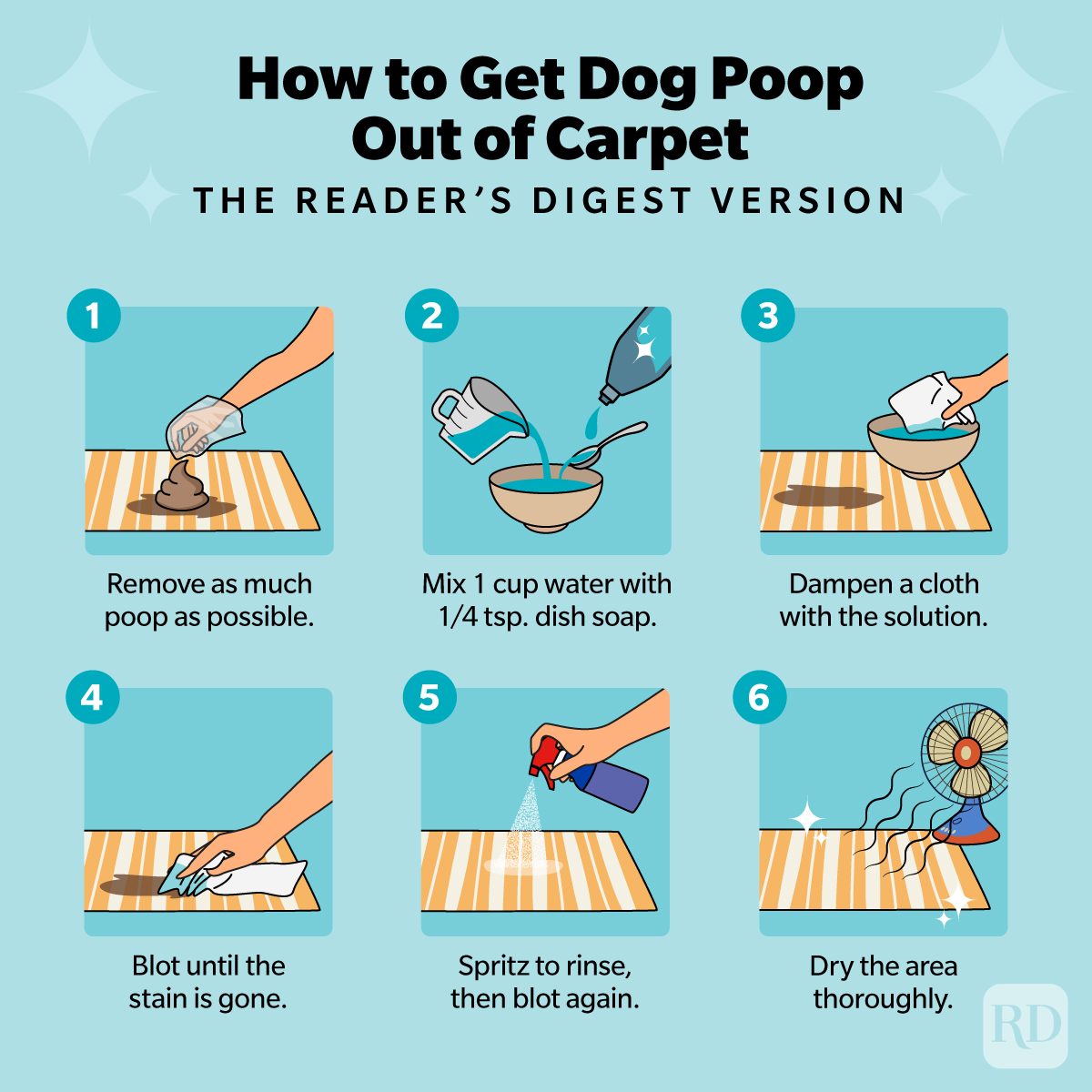
Start by picking up the solid waste with paper towels. Blot the stain gently to soak up liquids. Use an enzyme cleaner made for pet stains. These cleaners break down the waste and remove odors. Avoid using bleach or ammonia. They can make the smell worse for your cat. Let the cleaner sit for 10 to 15 minutes. Then blot the area with a clean cloth. Rinse with cold water and dry the carpet well.
Preventing Repeat Accidents
Clean the spot fully to remove all smell traces. Cats return to the same place if they smell waste. Use a spray that stops cats from marking the area. Keep the litter box clean and in a quiet place. Give your cat easy access to the box. Check for health problems if accidents continue. A clean carpet and fresh smell help your cat learn to use the litter box.
Frequently Asked Questions
Why Is My Cat Pooping On The Carpet?
Cats may poop on carpet due to stress, medical issues, dirty litter box, or dislike of the litter.
How Can I Stop My Cat From Pooping Outside Litter Box?
Keep the litter box clean, place it in a quiet area, and check for health problems.
What Type Of Litter Is Best For Cats?
Unscented, clumping litter is often preferred by cats and easy to clean for owners.
Can Carpet Cleaning Help With Cat Poop Smell?
Yes, use enzyme cleaners to fully remove odor and prevent repeat accidents.
How Do I Know If My Cat Has Health Issues?
Look for changes in bathroom habits, signs of pain, or unusual behavior and see a vet.
Should I Change My Cat’s Litter Box Location?
Place the box in a quiet, accessible spot away from food and loud noises.
Conclusion
Stopping your cat from pooping on the carpet takes patience and care. Keep the litter box clean and in a quiet place. Watch for signs of stress or illness that might cause accidents. Use gentle training methods and praise good behavior.
Remember, your cat learns best with kindness and consistency. Small changes can make a big difference. Soon, your carpet will stay clean, and your cat will feel happy and safe. Keep trying, and don’t give up. Success is possible with steady effort.
As an Amazon Associate, I earn from qualifying purchases.