If your cat has been diagnosed with a hernia, you’re probably worried about what this means for their future. You want to know how long your furry friend can live with this condition and what you can do to help.
Understanding the impact of a hernia on your cat’s health is key to making the best choices for their care. Keep reading to discover important facts, common signs, and effective treatments that can give your cat the best chance at a long, happy life.
Types Of Hernias In Cats
Cats can develop different types of hernias. Each type affects their body differently. Knowing these types helps in understanding the risks and treatments. Hernias happen when an organ pushes through a weak spot in the muscle or tissue. Some hernias are mild, while others can be serious and need surgery. Here are the main types of hernias found in cats.
Umbilical Hernias
Umbilical hernias appear near the belly button. This happens when the abdominal wall does not close properly after birth. Small sacs of fat or intestines may push through this opening. Many cats live with small umbilical hernias without problems. Large hernias might cause discomfort or risk of organ damage. Surgery can fix this condition easily.
Inguinal Hernias
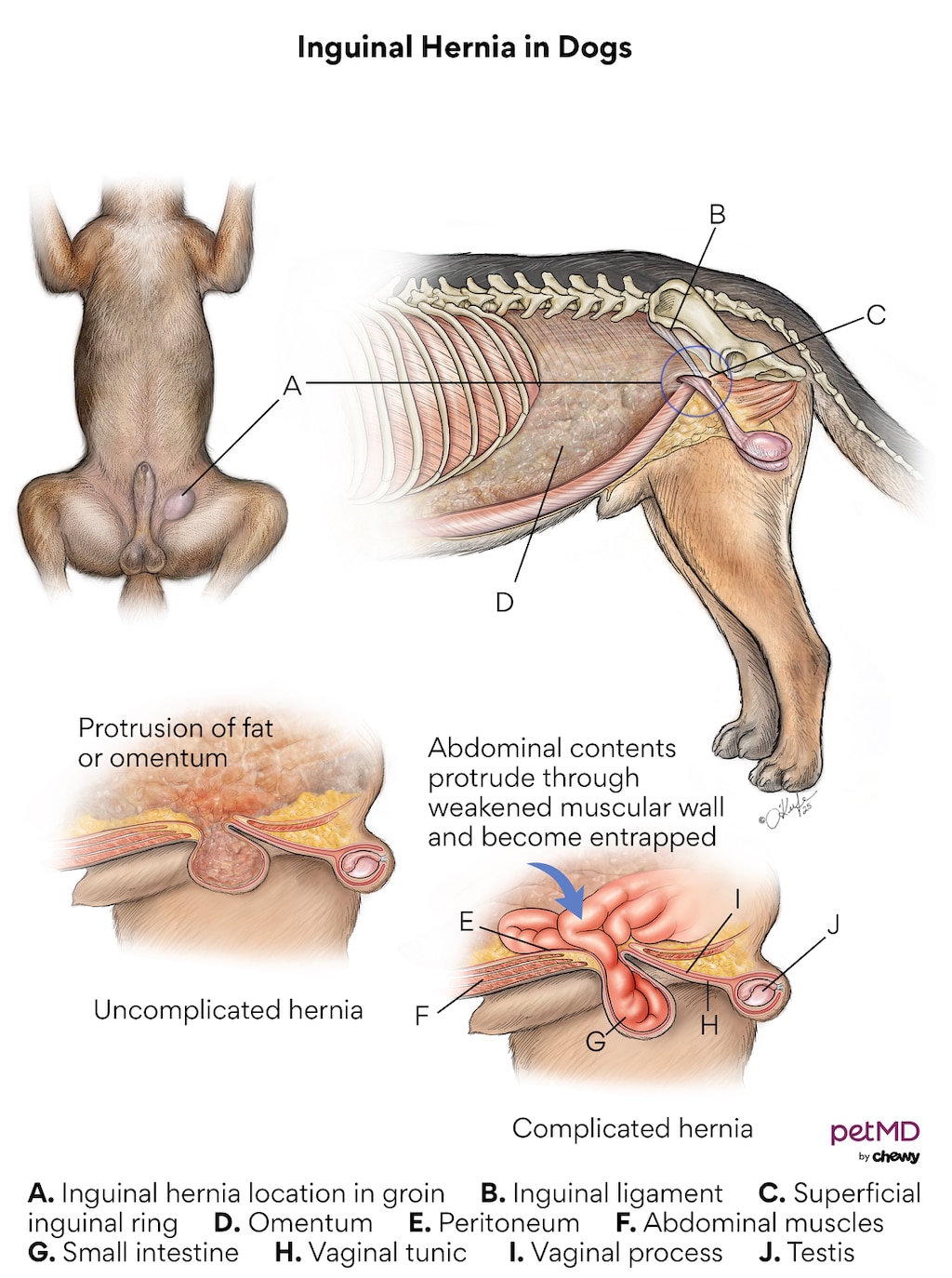
Inguinal hernias occur in the groin area. They happen when tissue pushes through the inguinal canal. This type is more common in female cats. It can cause swelling near the inner thigh or belly. These hernias can trap organs like intestines or fat. Immediate veterinary care is important to avoid complications.
Diaphragmatic Hernias
Diaphragmatic hernias affect the muscle that separates the chest and abdomen. This hernia allows organs like the stomach or intestines to enter the chest cavity. It often results from trauma, such as a fall or car accident. This is a serious condition that affects breathing. Surgery is usually necessary to repair the diaphragm.
Credit: www.petmd.com
Symptoms To Watch For
Recognizing the symptoms of a hernia in cats is crucial for timely care. Early signs can help prevent serious health problems. Watch your cat closely for any unusual changes. Cats often hide pain, so careful observation is key.
Visible Bulges
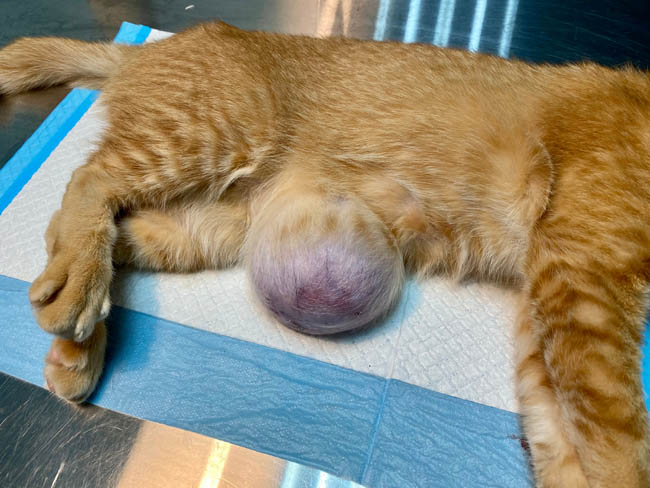
A clear sign of a hernia is a bulge on your cat’s body. This lump can appear near the belly or groin area. The bulge may grow bigger when your cat strains or coughs. Check the size and shape daily. Any sudden change needs prompt attention.
Changes In Appetite
A hernia can cause discomfort that affects eating habits. Your cat might eat less or refuse food. Look for sudden drops in appetite or weight loss. These signs suggest pain or digestive issues caused by the hernia. Early feeding problems should not be ignored.
Breathing Difficulties
Some hernias affect the chest area and impact breathing. Notice if your cat breathes fast or with effort. Wheezing or coughing may also occur. Breathing problems are serious and need immediate veterinary care. Acting fast can save your cat’s life.
Causes And Risk Factors
A hernia in cats happens when an organ or tissue pushes through a weak spot in the muscle. Understanding what causes hernias helps in caring for your cat better. Some cats have a higher chance of getting hernias due to certain factors. These include genetics, injuries, age, and health problems. Knowing these risks helps in early detection and treatment.
Genetic Predisposition
Some cats inherit weak muscles or tissues. This makes them more likely to develop hernias. Certain breeds have higher risks due to their genes. These inherited weaknesses mean hernias can appear without injury. Breeding history can be a good clue about risk.
Injuries And Trauma
Accidents or falls can cause hernias in cats. A strong hit or sudden pressure can tear muscles. This allows organs to push through the torn area. Outdoor cats face more risks due to fights or accidents. Immediate vet care after trauma can prevent worse problems.
Age And Health Conditions
Older cats often have weaker muscles and tissues. This makes hernias more common as they age. Health issues like obesity or infections can also increase risks. Cats with poor nutrition may not heal well from small injuries. Regular checkups help catch problems early.
Diagnosis And Veterinary Exams
Diagnosing a hernia in a cat requires careful veterinary exams. These exams help find the hernia type and its severity. Early diagnosis improves treatment success and cat’s lifespan.
Physical Examination
The vet starts with a physical exam. They look for lumps or swelling on the cat’s body. The vet checks the area for pain or discomfort. They may gently press the bulge to feel its size and texture. Observing the cat’s behavior during this helps identify the hernia type.
Imaging Techniques
Imaging helps see inside the cat’s body. X-rays show if organs have moved through the hernia. Ultrasound provides a clear view of soft tissues. These images guide the vet in planning treatment. Imaging confirms the hernia’s location and size.
Laboratory Tests
Lab tests check the cat’s overall health. Blood tests reveal infections or other issues. Urine tests assess kidney function and hydration. These tests ensure the cat can safely undergo surgery if needed. Lab results help vets decide the best care plan.
Treatment Options
Cats with a hernia need treatment to feel better and live longer. Treatment depends on the hernia type and the cat’s health. Some hernias need surgery, while others can be managed without it. Care after treatment is very important for a full recovery.
Surgical Repair
Surgery is the most common treatment for hernias in cats. The vet fixes the opening in the muscle or tissue. This stops organs from pushing through. Surgery is quick and helps cats return to normal life. Most cats heal well after surgery with little pain.
Non-surgical Management
Some hernias do not need surgery right away. Small or mild hernias can be watched carefully. The vet may give medicine to reduce pain or swelling. Keeping the cat calm and quiet helps prevent hernia worsening. Regular check-ups ensure the hernia does not get bigger or cause problems.
Post-treatment Care
After treatment, cats need rest and gentle care. Limit jumping and running to avoid strain. The vet may suggest a special diet to help healing. Watch for signs of infection or pain. Follow all vet instructions for medicines and check-ups. Good care helps cats recover faster and live well.

Credit: www.petscare.com
Impact On Cat’s Lifespan
A hernia can affect a cat’s lifespan in different ways. The impact depends on the type of hernia and how quickly it is treated. Some cats live many years with a hernia if it is mild and monitored closely. Others may face serious risks without proper care.
Understanding the factors that influence longevity helps cat owners make informed choices. Avoiding complications plays a key role in extending a cat’s life. Real stories from pet owners show hope and the possibilities for cats with hernias.
Factors Influencing Longevity
The size and location of the hernia matter a lot. Small hernias often cause fewer problems. Large or complicated hernias can put pressure on organs. Age and overall health also affect survival chances. Younger cats usually recover faster and live longer. Prompt diagnosis and treatment improve outcomes. Regular vet check-ups catch problems early. Nutrition and a stress-free environment support healing.
Complications To Avoid
Strangulation is a serious complication where blood flow is cut off. This can cause tissue death and requires emergency surgery. Infection may occur if the hernia is open or injured. Untreated hernias can lead to pain and difficulty moving. Watch for vomiting, lethargy, or swelling around the hernia. These signs need immediate vet attention. Prevent injuries by keeping cats indoors or in safe areas.
Success Stories
Many cats live long, happy lives after hernia repair. One cat had surgery at six months old and lived over ten years. Another cat’s hernia was monitored and did not worsen for years. Owners report improved energy and comfort after treatment. These stories show that care and attention make a difference. Sharing experiences helps others stay hopeful and informed.
Preventive Measures
Preventive measures help keep your cat healthy and lower hernia risks. Early care improves your cat’s quality of life. These simple steps protect your cat and catch problems early.
Regular Vet Checkups
Take your cat to the vet often. Vets can spot hernias before they cause harm. Early detection makes treatment easier and faster. Keep all vaccination and health checks up to date. Vet visits also help monitor your cat’s weight and overall health.
Safe Environment Tips
Make your home safe for your cat. Remove sharp objects and tight spaces where cats can get stuck. Provide soft bedding and cozy spots for rest. Avoid letting your cat climb high places without support. A safe home reduces injury risks that might cause hernias.
Nutrition And Exercise
Feed your cat a balanced diet for strong muscles. Proper nutrition supports tissue health and healing. Encourage gentle exercise daily to keep muscles active. Avoid sudden, intense activities that strain the body. Healthy weight and muscle tone lower the chance of hernias.
Credit: cat-world.com
Frequently Asked Questions
How Long Can A Cat Live With A Hernia Untreated?
A cat with an untreated hernia may live a few months to years, depending on severity.
What Factors Affect A Cat’s Hernia Life Expectancy?
Hernia size, location, treatment, and overall health impact a cat’s life expectancy.
Can Hernia Surgery Improve A Cat’s Lifespan?
Yes, surgery often fixes the hernia and extends a cat’s life significantly.
What Signs Show A Hernia Is Worsening In Cats?
Swelling, pain, vomiting, or difficulty moving can mean the hernia is getting worse.
Is A Hernia Life-threatening For Cats?
A hernia can be life-threatening if organs get trapped and blood flow stops.
How To Care For A Cat Recovering From Hernia Surgery?
Keep the cat calm, monitor wounds, give medications, and follow the vet’s advice closely.
Conclusion
A cat with a hernia can live a normal life with care. Surgery often helps fix the problem quickly. Without treatment, risks like pain or infection may grow. Watching your cat’s behavior and health is very important. Visit the vet if you notice swelling or discomfort.
Early action can improve your cat’s chances a lot. Keep your pet safe and comfortable every day. Small steps make a big difference in their well-being.
As an Amazon Associate, I earn from qualifying purchases.