If you’ve just welcomed a litter of kittens into your home, you’re probably wondering when it’s safe to have your cat spayed. You want to protect her health and prevent more unexpected litters, but timing is everything.
Getting this right can save you from stress and help your cat recover smoothly. You’ll discover exactly how soon after having kittens your cat can be spayed, what to watch for, and how to prepare for the procedure. Keep reading to make the best choice for your furry friend’s well-being.
Credit: articles.hepper.com
Kitten Nursing Period
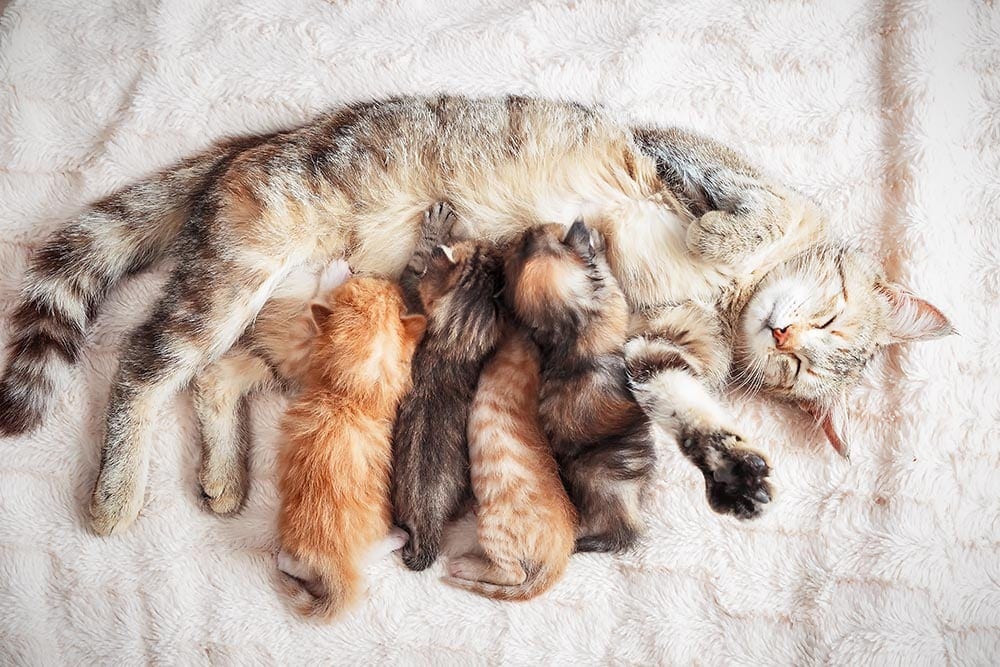
The kitten nursing period is a crucial time for both the mother cat and her kittens. During this time, kittens rely on their mother’s milk for nutrition and care. The nursing period affects the best time to spay the mother cat safely. Understanding this period helps in planning the spay surgery to avoid health risks for the cat and her kittens.
Duration Of Nursing
Kittens usually nurse for about six to eight weeks. During this time, they get all the nutrients from their mother’s milk. Nursing helps kittens grow strong and healthy. After six weeks, kittens start to eat solid food but may still nurse occasionally. It is important not to rush the spay surgery while kittens are still nursing. The mother cat needs this time to care for her babies properly.
Mother Cat’s Recovery
The mother cat needs time to recover after giving birth. Her body is healing from the stress of pregnancy and delivery. Spaying too soon can cause health problems or slow healing. Waiting until the kittens are weaned helps the mother regain her strength. This also reduces risks during anesthesia for the spay surgery. A healthy mother cat recovers faster and stays strong for future litters or daily life.
:strip_icc()/mother-cat-and-kittens-57b730673df78c876384b190.jpg)
Credit: www.thesprucepets.com
Ideal Spay Timing
Choosing the right time to spay a cat after she has had kittens is very important. It helps protect her health and prevents more litters. Knowing the ideal spay timing can make the process safer and easier for your cat.
Post-weaning Period
Most vets suggest waiting until the kittens stop nursing. This stage is called weaning. It usually happens when kittens are about eight weeks old. At this time, the mother cat’s milk supply slows down. Her body can then focus on healing from birth. Spaying after weaning helps reduce stress on her body. It also lowers the risk of complications during surgery.
Health Considerations
The cat’s health plays a big role in deciding when to spay. Vets check if she is strong and fully recovered from birth. Spaying too soon can cause problems like infections or slow healing. If the cat has any health issues, the vet may delay the surgery. Proper nutrition and rest before spaying help speed up recovery. Always follow your vet’s advice for the best timing.
Benefits Of Timely Spaying
Spaying a cat soon after she has kittens offers many benefits. It helps keep her healthy and stops more unwanted cats from being born. Timely spaying supports your cat’s long-term well-being and helps control the pet population. This section explains the main advantages of spaying a cat without delay.
Preventing Unwanted Litters
Spaying your cat quickly after her kittens are weaned stops more litters. Female cats can get pregnant again soon. Preventing more litters reduces the number of homeless cats. It also lowers the chance of kittens not finding good homes. Spaying helps control the cat population in your community.
Reducing Health Risks
Spaying early lowers your cat’s risk of serious health problems. It prevents infections in the uterus and decreases the chance of breast cancer. Cats that are not spayed often face these diseases. Timely spaying supports longer, healthier lives for cats. It also reduces the stress from heat cycles and mating behaviors.

Credit: entre-couette-et-bulles.com
Signs Your Cat Is Ready
Knowing when your cat is ready to be spayed after having kittens is important. Watch for signs that show her body and behavior are ready. These signs help you plan the best time for surgery. Careful observation keeps your cat safe and healthy.
Physical Indicators
Look at your cat’s body for changes. Her nipples should shrink and lose color. This shows she is no longer nursing. Her weight will start to return to normal. A healthy coat without patches means good recovery. No signs of infection or swelling around her belly are important. These signs mean her body is healing well.
Behavioral Changes
Notice how your cat acts after kittens leave. She may become more active and playful. Restlessness or increased affection can occur. Her appetite should return to normal. She might start marking territory again, signaling heat. These behavior shifts suggest her hormones are balancing. Watch closely for signs of heat before spaying.
Veterinary Recommendations
Veterinary recommendations guide the best timing for spaying a cat after having kittens. Vets focus on the cat’s health and recovery. They ensure surgery happens safely and at the right time. Following their advice helps prevent complications and supports healing.
Pre-surgery Checkups
Vets perform exams before spaying. They check the cat’s weight and overall health. Blood tests may be done to check organ function. The vet ensures the cat is strong enough for surgery. Vaccinations and parasite control might be updated. These steps reduce risks during and after surgery.
Post-surgery Care
After surgery, vets recommend rest and quiet. The cat needs a clean, warm place to recover. Watch for signs of infection or swelling. Limit the cat’s movement to avoid strain on stitches. Pain relief medicine is often prescribed. Follow-up visits ensure proper healing and recovery progress.
Special Cases
Some cats need special care when spaying. These special cases require careful planning and advice from a vet. The timing and method for spaying might change. Understanding these cases helps ensure the cat’s health and safety.
Spaying Pregnant Cats
Spaying a pregnant cat is possible but needs careful thought. The vet checks the stage of pregnancy first. Early pregnancy spaying is safer than late pregnancy. The procedure stops the pregnancy to protect the cat’s health. Some vets may suggest waiting if the pregnancy is far along. The cat’s health and comfort are the priority.
Spaying Cats With Medical Conditions
Cats with health problems need special care before surgery. Conditions like heart disease or diabetes can raise risks. The vet may do extra tests to check the cat’s condition. Sometimes, medicine or treatment is needed before surgery. The vet decides the best time to spay based on the cat’s health. This careful approach helps avoid complications and supports recovery.
Frequently Asked Questions
How Long After Kittens Can A Cat Be Spayed?
Cats can usually be spayed 8 weeks after their kittens are weaned and healthy.
Why Wait Before Spaying A Cat With Kittens?
Waiting helps the mother cat regain strength and ensures kittens are independent.
Can Spaying Affect A Cat’s Milk Supply?
Spaying stops milk production since the cat’s hormones change after surgery.
Is Early Spaying Safe For A Cat With Kittens?
Spaying too soon can harm the mother cat; vets recommend waiting for recovery.
How Does Spaying Benefit A Cat Post-kittens?
Spaying prevents more litters and reduces health risks like infections or cancer.
What Signs Show A Cat Is Ready To Be Spayed After Kittens?
Look for healed nipples and kittens eating solid food without nursing.
Conclusion
Spaying a cat soon after having kittens helps prevent more litters. Vets usually recommend waiting until kittens are weaned and the mother is healthy. This timing keeps the cat safe and supports her recovery. Spaying also reduces health risks and unwanted pregnancies.
Careful planning makes the process easier for both cat and owner. Talk to your vet to choose the best time for spaying. Taking action helps protect your cat and her future kittens.
As an Amazon Associate, I earn from qualifying purchases.