Have you ever wondered how long you can keep your cat in just one room without stressing them out? Whether you’re dealing with a new home setup, a temporary situation, or just want to keep your furry friend safe, knowing the right amount of time is crucial.
Your cat’s comfort and happiness depend on it. You’ll discover the key signs to watch for, expert tips to make the space cozy, and how to balance your cat’s needs with your lifestyle. Keep reading to make sure your cat stays healthy, happy, and calm—no matter how much time they spend in one room.
Ideal Room Time For Cats
Keeping a cat in one room requires careful thought about time limits. Cats need space to move and explore for a healthy life. The ideal room time depends on several key factors. Understanding these helps ensure your cat stays happy and safe.
Factors Influencing Room Duration
Room size matters a lot. A bigger room lets cats move more freely. The presence of toys and climbing areas also helps. Cats get bored in small, empty spaces fast. Noise levels and light affect their comfort too. Quiet, calm rooms work best for longer stays.
Age And Health Considerations
Young kittens need frequent breaks and playtime outside the room. Older cats may prefer quiet and limited space for rest. Cats with health problems might need shorter room time. Always watch for signs of stress or discomfort. Adjust time based on their physical needs.
Temperament And Behavior Impact
Every cat has a unique personality. Some enjoy solitude and calm rooms. Others get restless and anxious if confined too long. Active cats need more space and time to move. Shy cats might feel safer in a smaller area. Tailor room time to your cat’s behavior and mood.
Credit: www.bathcatsanddogshome.org.uk
Setting Up The Room
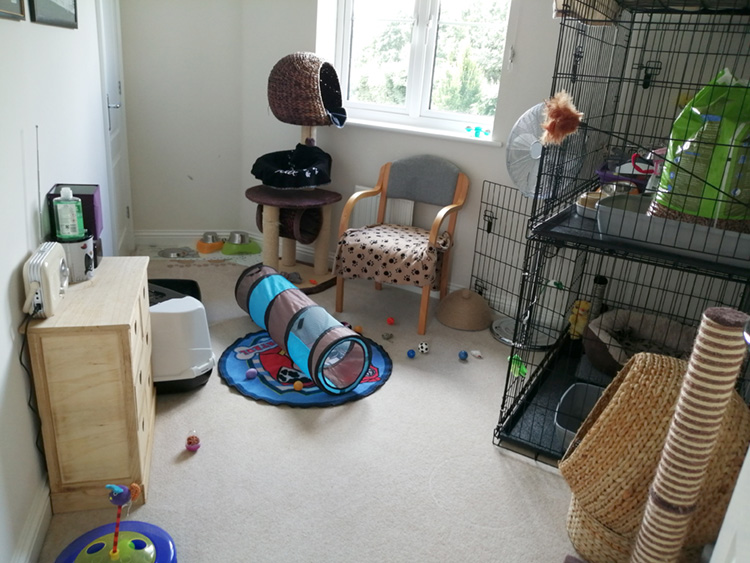
Setting up a room for a cat requires careful thought. The space should be cozy, safe, and fun. Cats need comfort and mental activity to stay happy in one room.
Essential Supplies For Comfort
Start with a soft bed for your cat to rest. Provide food and water bowls nearby. Place a clean litter box in a quiet corner. Keep a few toys for playtime. A scratching post helps protect furniture and keeps claws healthy.
Creating A Stimulating Environment
Include toys that move or make noise to catch your cat’s attention. Add climbing shelves or a small cat tree to encourage exercise. A window perch offers a view of outside birds and nature. Change toys often to avoid boredom. Rotate play sessions to keep your cat active.
Ensuring Safety And Security
Remove sharp or breakable objects from the room. Cover wires and cords to prevent chewing. Check that windows and doors stay closed or securely screened. Avoid toxic plants or harmful substances. Provide a hiding spot where your cat can feel safe and relax.
Signs Your Cat Needs More Space
Keeping a cat in one room for too long can affect its well-being. Cats need space to move, explore, and express themselves. Watch for signs that your cat needs more room. These signs help you understand your cat’s comfort and health.
Behavioral Changes To Watch
Your cat may act restless or pace around the room. It might scratch furniture more than usual. Some cats become more vocal or meow loudly. Others hide or seem scared without reason. These changes show your cat feels trapped or bored.
Physical Health Indicators
Look for weight loss or gain in your cat. Lack of exercise can cause muscle weakness. Over-grooming or bald spots may appear from stress. Your cat might also have digestive issues. These signs mean your cat needs more activity and space.
Social Interaction Needs
Cats need social time with people or other pets. If your cat tries to leave the room often, it seeks company. It may paw at the door or meow more. Lack of interaction can lead to loneliness and sadness. Your cat needs space to meet and play.
Credit: www.kentremovalsstorage.com.au
Managing Extended Room Time
Keeping a cat in one room for a long time needs careful management. Cats need activity and mental challenges. Without these, they can feel bored or stressed. Planning ways to engage your cat helps keep them happy and healthy. Here are some useful tips for managing extended room time.
Interactive Toys And Activities
Toys are key to keeping your cat busy. Use balls, feather wands, or puzzle feeders. These toys encourage natural hunting skills. Change toys often to keep your cat interested. Rotating toys stops boredom from setting in. Playtime with toys builds a strong bond too.
Scheduled Breaks And Exercise
Plan regular breaks for your cat to move around. Short exercise sessions prevent restlessness. Use laser pointers or toys to encourage chasing and jumping. Even in one room, cats can get good exercise. Consistent activity helps maintain a healthy weight.
Mental Stimulation Techniques
Challenge your cat’s mind with simple tricks. Teach basic commands or use treat puzzles. Hide treats around the room to encourage searching. New smells or safe objects spark curiosity. Mental tasks reduce anxiety and improve focus.
When To Consult A Veterinarian
Knowing when to consult a veterinarian is important if you keep your cat in one room. Cats may face health and behavior issues from long confinement. Watch for signs that show your cat needs professional help. Early advice can prevent bigger problems later.
Stress-related Health Issues
Cats confined to one room may feel stressed. Stress can cause loss of appetite and weight. Some cats develop skin problems or fur loss. Digestive issues like vomiting or diarrhea may appear. These signs suggest a vet visit is needed.
Behavioral Problems
Behavior can change with long room time. Cats might become aggressive or withdrawn. Excessive meowing or scratching may happen. Pacing or restlessness can show distress. A veterinarian can help with these behavior changes.
Adjusting Room Time Based On Advice
Veterinarians can guide you on how long to keep your cat in one room. They may suggest more breaks or playtime. Follow their advice for your cat’s health and happiness. Adjusting room time helps your cat feel safe and calm.

Credit: www.reddit.com
Frequently Asked Questions
How Long Can A Cat Stay In One Room Safely?
A cat can stay in one room for a few hours to a day with food, water, and a litter box.
What Are Signs A Cat Is Stressed In One Room?
Signs include pacing, meowing loudly, hiding, or scratching furniture excessively.
Can A Cat Get Bored In One Room?
Yes, cats need mental and physical stimulation to avoid boredom and stress.
How To Keep A Cat Happy In A Single Room?
Provide toys, scratching posts, and regular playtime to keep your cat active and entertained.
Is It Okay To Leave A Cat Alone In A Room Overnight?
Yes, if the room is safe and has food, water, and a clean litter box.
When Should I Let My Cat Out Of The Room?
Let your cat out when it shows signs of restlessness or needs exercise and social interaction.
Conclusion
Keeping a cat in one room for too long can cause stress. Cats need space to move and explore daily. Provide toys, food, water, and a litter box in the room. Let your cat out regularly to stretch and play.
Watch for signs of boredom or anxiety. A happy cat is active and curious. Balance safety with freedom to keep your cat healthy. Small steps help your cat feel calm and secure. Remember, every cat is different and needs attention.
As an Amazon Associate, I earn from qualifying purchases.