Traveling with your cat can be stressful—for both of you. You want to keep your furry friend calm and safe, but how do you do that without causing harm or discomfort?
If you’ve ever wondered how to sedate a cat for travel, this guide is made just for you. You’ll discover simple, effective ways to ease your cat’s anxiety and make the trip smoother. By the end, you’ll feel confident and prepared to help your cat stay relaxed, no matter the distance.
Keep reading to learn the best tips and tricks that can turn a stressful journey into a peaceful experience.
Preparing Your Cat For Travel
Traveling with a cat can be stressful for both of you. Preparing your cat well helps reduce anxiety and makes the trip smoother. Starting early is best. Your cat needs time to get used to new things before the journey. This section explains how to prepare your cat for travel.
Choosing The Right Carrier
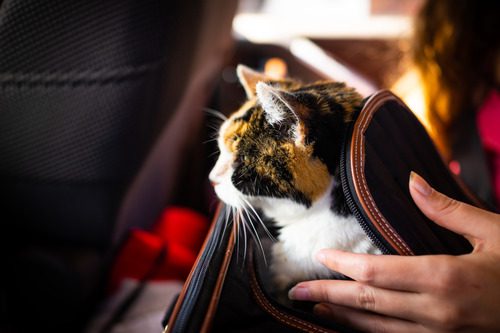
Pick a carrier that fits your cat comfortably. It should be large enough for your cat to stand, turn, and lie down. Look for carriers with good ventilation and a secure door. Soft-sided carriers work well for calm cats. Hard-sided carriers protect better during travel. Choose one that is easy to carry and clean. A familiar carrier helps your cat feel safe.
Acclimating Your Cat To The Carrier
Start by placing the carrier in a common area at home. Leave the door open so your cat can explore it freely. Put soft bedding and treats inside to make it inviting. Spend time sitting near the carrier with your cat. Gradually encourage your cat to enter the carrier. Practice closing the door for short periods. Repeat these steps daily to build comfort and trust.
Scheduling A Vet Checkup
Visit the vet before travel to ensure your cat is healthy. Discuss any sedation needs or travel concerns. The vet can recommend safe sedatives if necessary. Make sure vaccinations are up to date. Ask about motion sickness and calming tips. A thorough checkup helps prevent health issues during the trip.
Credit: lanevet.com
Safe Sedation Options
Travel can stress cats. Safe sedation options help keep your cat calm and comfortable during trips. Understanding these options ensures your cat’s safety and reduces anxiety. Always focus on gentle, effective methods to ease travel stress.
Consulting A Veterinarian
Talk to a vet before sedating your cat. They check your cat’s health and suggest the best sedation method. Vets know the right dosage and type of sedative to use. Never give your cat medicine without professional advice. This step protects your cat’s health and wellbeing.
Common Sedatives For Cats
Vets may recommend sedatives like Acepromazine or Diazepam. These drugs calm cats and reduce travel anxiety. Each sedative works differently and has specific doses. Side effects can occur, so follow your vet’s instructions carefully. Use sedatives only when necessary and under supervision.
Natural Remedies To Calm Cats
Natural options can soothe your cat without strong drugs. Pheromone sprays mimic calming scents cats like. Herbal supplements like valerian or chamomile may help too. These remedies are mild and often safer for sensitive cats. Try these first to reduce stress before considering sedatives.
Administering Sedatives Properly
Administering sedatives properly is key for safe cat travel. Giving the right amount at the right time helps your cat stay calm. It also reduces stress and risk during the trip. Careful monitoring ensures your cat reacts well to the medication.
Correct Dosage Guidelines
Always use the dose prescribed by your vet. Too much sedative can harm your cat. Too little may not calm them enough. Dosage depends on your cat’s weight and health. Never guess or use old prescriptions. Measure doses carefully using proper tools.
Timing The Medication
Give the sedative before travel starts. Usually, 30 to 60 minutes ahead works best. This allows the medicine to take effect. Giving it too early or late can cause problems. Follow your vet’s instructions on timing exactly.
Monitoring Your Cat’s Response
Watch your cat closely after giving sedatives. Look for signs of calmness or distress. Check breathing, movement, and alertness. If your cat seems too sleepy or unsteady, contact your vet. Keep water and a quiet space ready for them.
Alternatives To Sedation
Sedating a cat for travel is not the only option. Many pet owners want safer, gentler ways to help their cats stay calm. Alternatives to sedation focus on reducing stress naturally. These methods improve your cat’s travel experience without medicine. Try these effective and simple options.
Behavioral Training Techniques
Training your cat before travel can reduce anxiety. Start by getting your cat used to the carrier. Let your cat explore it at home. Practice short trips in the carrier to build comfort. Reward calm behavior with treats and praise. Slowly increase travel time to build confidence. Training helps your cat associate travel with positive feelings.
Using Calming Sprays And Diffusers
Calming sprays and diffusers release natural scents to soothe cats. These products often use pheromones that cats find relaxing. Spray the carrier or use a diffuser in the travel area. Start using them a few days before travel for best results. These scents can lower stress and prevent nervous behavior. They are safe and easy to use.
Environmental Adjustments During Travel
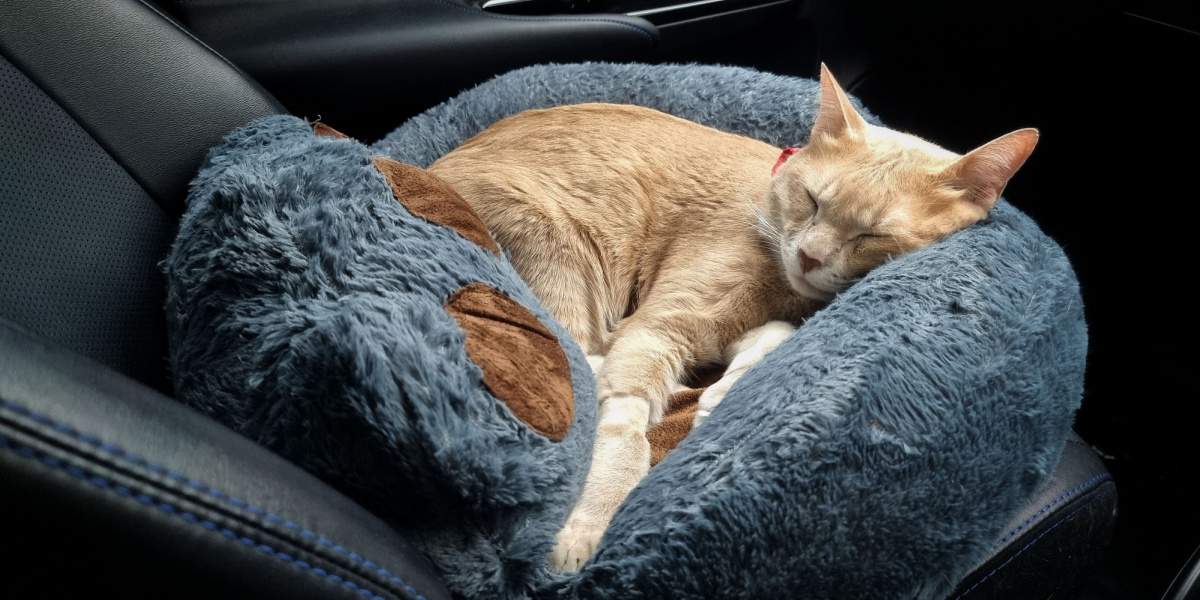
Creating a comfortable travel environment helps your cat relax. Use soft bedding inside the carrier for comfort. Cover the carrier partially with a light cloth to reduce visual stress. Keep the car quiet and avoid loud noises. Maintain a steady temperature, not too hot or cold. Play soft music or use white noise to calm your cat. Small changes make a big difference in reducing stress.
Travel Tips For A Stress-free Trip
Traveling with a cat can be tricky. Cats feel stress from new places and sounds. Keeping your cat calm helps the trip go smoothly. Small steps before and during travel make a big difference. Here are simple tips for a stress-free trip with your cat.
Maintaining A Calm Environment
Keep your cat’s carrier quiet and cozy. Use a soft blanket with familiar scents. Play gentle music or white noise to block strange sounds. Avoid loud voices and sudden movements near the cat. Speak softly to reassure your cat during travel.
Feeding And Hydration Advice
Feed your cat a small meal before the trip. Avoid heavy meals that may cause discomfort. Offer fresh water regularly to prevent dehydration. Do not give food or water right before travel to avoid nausea. Carry treats to reward calm behavior along the way.
Handling Motion Sickness
Watch for signs of nausea like drooling or vomiting. Keep the carrier stable and secure in the car. Open a window slightly for fresh air if safe. Consult your vet about motion sickness medicine if needed. Stop for breaks to comfort your cat and check on them.
:max_bytes(150000):strip_icc()/cat-sedative-for-travel-1084301628-2000-7b7a116e533a47c1922f47d4cb4189bf.jpg)
Credit: www.dailypaws.com
Credit: cats.com
Frequently Asked Questions
How Can I Safely Sedate My Cat For Travel?
Consult a vet for the right sedative and dosage before traveling with your cat.
What Are The Best Sedatives For Cats During Travel?
Common options include gabapentin and trazodone, but always use vet-approved medications.
How Long Before Travel Should I Sedate My Cat?
Sedate your cat about 1 to 2 hours before the trip to allow effects to start.
Are There Risks In Sedating Cats For Travel?
Yes, sedation can cause side effects like breathing issues or low blood pressure.
Can Natural Remedies Help Calm Cats During Travel?
Some natural remedies like pheromone sprays may help but are less effective than sedatives.
Should I Avoid Sedation For Short Cat Trips?
For short trips, sedation is usually unnecessary; calming techniques may be enough.
Conclusion
Sedating a cat for travel can ease stress for both of you. Always talk to a vet before giving any medication. Use the right dose and follow all instructions carefully. Keep your cat calm and safe during the trip. Prepare your carrier with familiar items for comfort.
Traveling with a relaxed cat makes the journey smoother. Taking these steps helps your pet stay calm and healthy. Safe travels and happy journeys with your furry friend!
As an Amazon Associate, I earn from qualifying purchases.