Have you ever wished your cat could close the door behind them? Imagine coming home to find your feline friend not only greeting you but also keeping the room cozy by shutting the door.
Teaching your cat this simple trick isn’t just fun—it can make your home more comfortable and even impress your guests. You’ll discover easy, step-by-step methods to train your cat to close doors, using techniques that work with their natural curiosity.
Ready to unlock a new level of connection with your pet? Let’s get started!

Credit: www.petdoors.com
Why Teach Your Cat To Close Doors
Teaching your cat to close doors helps keep rooms quiet and pets safe. It also shows your cat’s smart and playful side. Simple steps make the training fun and easy for both of you.
Teaching your cat to close doors can improve your home’s safety. Cats often push doors open and leave them ajar. This can let cold air or noise inside. It may also allow other pets or insects to enter.
Closing doors helps keep your cat in safe areas. It stops them from wandering into rooms with hazards. Kitchens, bathrooms, or balconies can be dangerous without supervision.
It also reduces stress for both you and your cat. A closed door creates clear boundaries. Your cat learns which rooms they can enter. This helps them feel secure.
Helps Maintain Privacy And Quiet
A cat that closes doors respects your space. It keeps private areas quiet and undisturbed. This is important during work or rest times. Less noise means a calmer home environment.
Prevents Damage To Furniture And Walls
Cats love to scratch and explore. Open doors can lead to unwanted scratching on walls or furniture. Teaching them to close doors protects your home. It limits their access to fragile or valuable items.
Enhances Your Cat’s Mental Stimulation
Learning to close doors challenges your cat’s mind. It provides mental exercise and focus. This activity reduces boredom and destructive behavior. A smart cat stays happy and healthy.
Gathering The Right Tools
Teaching your cat to close the door needs patience and the right tools. These tools make training easier and more effective. Prepare everything before starting. This helps your cat learn faster and enjoy the process.
Choosing The Best Treats
Treats are powerful motivators for cats. Pick small, tasty treats that your cat loves. Use soft treats that are easy to chew quickly. This keeps your cat focused and eager to learn. Avoid giving too many treats at once. Use treats only as rewards for good behavior.
Using Clicker Training
A clicker is a small device that makes a clicking sound. It helps your cat understand when they do something right. Click right when your cat touches the door or moves it. Follow the click with a treat. This clear signal helps your cat connect actions with rewards.
Selecting A Suitable Door
Pick a door that your cat can easily reach and push. A lightweight door works best for beginners. Avoid heavy doors that can scare or hurt your cat. Make sure the door opens smoothly without much force. This encourages your cat to try closing it on their own.
Preparing Your Cat For Training
Preparing your cat for training is the first step to success. Cats need time to feel safe and understand what is expected. This helps them learn faster and enjoy the process.
Start by creating a calm space. Avoid loud noises and sudden movements. Your cat should feel relaxed before you begin any training sessions.
Building Trust And Comfort
Trust is key in training your cat to close the door. Spend quiet time near your cat every day. Let your cat come to you, and offer gentle pets if they like it.
Use treats to encourage positive feelings. Give small treats when your cat stays calm around the door. This helps your cat link the door with good things.
Speak softly and move slowly. Sudden actions can scare your cat and slow progress. Patience builds comfort and trust for training.
Introducing The Door Slowly
Start by showing the door to your cat without moving it. Let your cat sniff and explore it at their own pace. This reduces fear and curiosity grows.
Next, gently open and close the door a few inches. Do this while giving treats or praise. This helps your cat get used to the door’s movement.
Repeat this step over several days. Watch your cat’s reaction and stop if they seem scared. Small, slow steps make training easier and less stressful.
Step-by-step Training Process
Teaching your cat to close the door takes patience and clear steps. Breaking the task into small parts helps your cat learn faster. Each step builds on the last, making the goal easier to reach. Use treats and praise to guide your cat. Keep sessions short and fun to hold your cat’s interest.
Encouraging Pawing Or Nudging
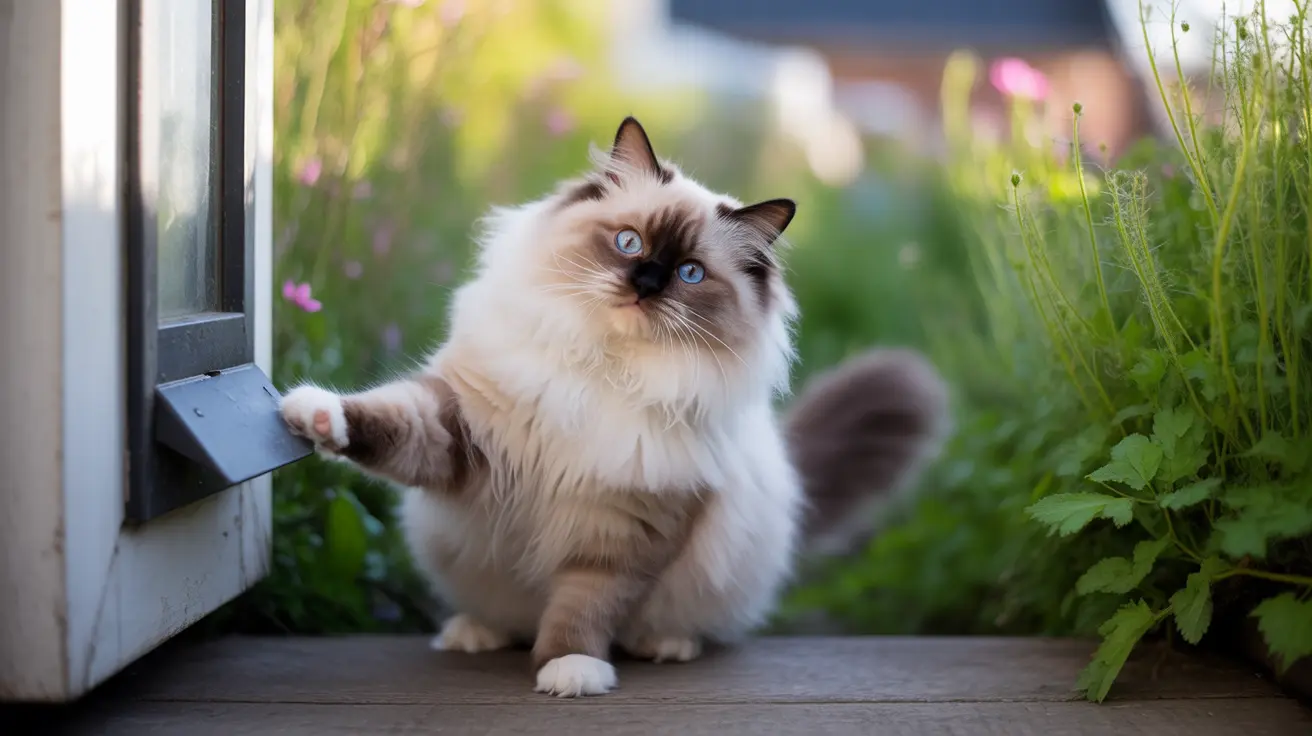
Start by getting your cat to touch the door with its paw. Hold a treat near the door edge. Wait until your cat paws or nudges the door. Praise and give a treat right away. Repeat this until your cat does it without hesitation. This step teaches your cat to interact with the door.
Rewarding Small Successes
Celebrate every small move your cat makes toward closing the door. Even a slight push deserves a reward. Use soft words and treats to show approval. This positive feedback keeps your cat motivated. Small wins build your cat’s confidence and interest.
Adding Verbal Cues
Introduce a simple word or phrase for the action. Say “close” or “push” as your cat touches the door. Repeat the word each time your cat tries. This helps your cat link the word to the action. Clear commands make training smoother and clearer.
Practicing Consistently
Train your cat daily in short sessions. Consistent practice helps your cat remember what to do. Keep sessions fun and stress-free. Gradually increase the difficulty by using different doors. Patience and regular practice lead to success.
Troubleshooting Common Issues
Troubleshooting common issues helps keep your training on track. Cats may face distractions, lose interest, or make mistakes. Addressing these problems gently improves success. Patience is key during this process.
Dealing With Distractions
Distractions can stop your cat from focusing. Remove noisy or busy objects nearby. Train in a quiet room with few people. Short, calm sessions work best. Use treats to regain attention quickly.
Handling Lack Of Interest
Some cats may not care about the door task. Try using more exciting treats or toys. Change the training time to when your cat is active. Keep sessions short to avoid boredom. Praise your cat often to encourage effort.
Correcting Mistakes Gently
Mistakes are normal during training. Avoid yelling or punishing your cat. Use calm words and a soft voice instead. Show the correct action by guiding your cat’s paw. Reward small steps to build confidence.
Credit: www.petscare.com
Maintaining The Behavior Long-term
Teaching your cat to close the door is just the first step. Keeping this behavior strong over time takes effort. Cats can forget or lose interest if not reminded. Consistent care helps your cat stay sharp and willing to close the door. This section shares simple tips to maintain your cat’s door-closing skill for the long run.
Regular Practice Sessions
Practice helps your cat remember what to do. Short sessions work best. Five minutes a day is enough. Pick quiet times when your cat is calm. Repeat the door-closing action and reward your cat. Regular practice builds a habit. Avoid long sessions that may tire your cat.
Varying Rewards
Use different rewards to keep your cat interested. Sometimes use treats, other times gentle pets or playtime. Change rewards to avoid boredom. Cats respond well to surprises. Rewards make closing the door a positive experience. Adjust rewards based on what your cat likes most.
Keeping Training Fun
Training should feel like play, not work. Use a happy voice and a gentle touch. Stop if your cat seems tired or stressed. Make each session a fun game. Praise your cat often. Fun training keeps your cat eager to learn and repeat the behavior.

Credit: www.youtube.com
Frequently Asked Questions
How Long Does It Take To Teach A Cat To Close Doors?
Most cats learn to close doors in 1 to 3 weeks with daily practice.
What Tools Help Teach Cats To Close Doors?
Use treats, toys, and a lightweight door for easy paw pushing.
Can All Cats Learn To Close Doors?
Yes, but some cats may take longer depending on their interest and age.
How To Encourage A Cat To Push The Door?
Gently tap the door near the bottom and reward your cat for any touch.
Should I Use Treats Or Toys For Training?
Treats work well first; toys can keep your cat motivated during training.
Is It Safe To Let Cats Close Doors Themselves?
Yes, as long as the door is light and won’t trap their paws.
Conclusion
Teaching your cat to close the door takes time and patience. Use treats and gentle guidance to help your cat learn. Keep training sessions short and fun to hold their attention. Praise your cat often to encourage good behavior. Remember, every cat learns at its own pace.
Small steps lead to big progress. Enjoy the process and celebrate each success. Your cat will surprise you with what it can do. Stay calm and consistent for the best results. Closing the door can become a simple, shared task.
As an Amazon Associate, I earn from qualifying purchases.