Do you worry every time your cat jumps over the fence? It can be frustrating and even dangerous for your furry friend.
You want to keep your cat safe while still giving them freedom to explore. But how do you stop your clever cat from making that great escape? You’ll discover simple and effective ways to keep your cat from jumping the fence.
By the end, you’ll feel confident that your cat can enjoy the outdoors without the risk of wandering too far. Keep reading to learn the secrets that will give you peace of mind and protect your beloved pet.
Credit: catfencein.com
Why Cats Jump Fences
Cats love to explore. Their natural behavior leads them to jump fences often. Understanding why cats jump fences helps solve this problem. It is not just about escaping but about their needs and instincts.
Instincts And Curiosity
Cats have strong hunting instincts. They like to watch birds and small animals outside. Curiosity drives them to explore new places. A fence is just a small barrier to their adventure.
Territory And Mating
Cats mark and protect their territory. They jump fences to check or expand their area. Male cats often roam far to find mates. This natural urge can push them over fences.
Boredom And Exercise Needs
Cats need exercise to stay healthy. Bored cats look for ways to entertain themselves. Jumping fences becomes a way to find excitement and space to run.
Fence Deterrents
Keeping your cat from jumping the fence helps keep it safe and your yard secure. Fence deterrents create a boundary that cats do not want to cross. These tools work by making the fence less inviting or uncomfortable for cats to climb or jump over.
Fence deterrents are simple to install and can fit most types of fences. They offer a humane way to keep cats inside without causing harm. Understanding different options helps you choose the best one for your home.
Cat-proof Fence Toppers
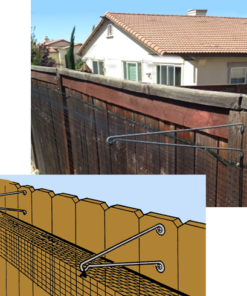
Cat-proof fence toppers are attachments that go on top of fences. They make the fence edge slippery or angled. This stops cats from gaining a good grip to jump over.
Common types include rollers and angled plastic strips. Rollers spin when a cat tries to climb, making balance hard. Angled strips tilt inward, blocking a cat’s path. Both options keep cats safe and secure.
Using Motion Sensors
Motion sensors detect when a cat approaches the fence. They can activate a light, sound, or harmless spray. This startles the cat and discourages fence jumping.
Motion sensor devices are easy to set up near fence lines. They require batteries or electricity to work. These sensors train cats to avoid the fence area over time.
Safe Barrier Materials
Safe barrier materials add extra protection to fences. Wire mesh or netting can be installed to block climbing spots. These materials create a physical barrier cats cannot cross.
Choose soft or flexible materials to avoid injury. Make sure the barriers are high enough to prevent jumping. This method keeps your cat safe while protecting your garden.
Indoor Enrichment
Keeping a cat from jumping the fence starts with giving it fun things to do inside. Cats need toys and places to climb. These help them use energy and stay happy. Bored cats often try to escape. Filling your home with activities stops this behavior.
Interactive Toys
Interactive toys keep cats busy and active. Toys that move or make noise catch their attention. Puzzle feeders make cats think and work for food. These toys help reduce boredom and stress. Cats enjoy playing alone or with their owners.
Climbing Structures
Climbing structures give cats a place to jump and explore. Cat trees and shelves work well. They let cats climb high and watch their surroundings. This satisfies their natural need to climb and hunt. Provide different levels for variety and fun.
Window Perches
Window perches let cats watch outside safely. They enjoy watching birds, cars, and people. This keeps their mind active and curious. Place the perch where sunlight comes in. Cats love warm spots and fresh air from open windows.

Credit: www.instructables.com
Training Techniques
Training your cat to stay off the fence takes patience and clear steps. Cats learn best through gentle guidance and rewards. Using training techniques helps change their habits safely. These methods build trust and teach your cat what you expect. Consistency is key for good results.
Start with small sessions. Make each moment positive. Use simple commands and rewards. Keep your cat interested and focused on the training.
Positive Reinforcement
Positive reinforcement means giving rewards for good behavior. When your cat stays away from the fence, offer treats or praise. This shows the cat that staying inside is good. Avoid punishment, as it can cause fear or stress. Rewarding good choices helps your cat learn faster.
Redirecting Behavior
Redirecting means guiding your cat’s attention away from the fence. Use toys or playtime to catch their interest elsewhere. Create safe spots near the fence with climbing trees or scratching posts. This keeps your cat busy and less likely to jump over. Change their focus to fun activities in your yard.
Using Clicker Training
Clicker training uses a small sound to mark good behavior. First, teach your cat that the click means a treat is coming. Click and treat when your cat stays away from the fence. This helps your cat connect the sound with positive actions. Over time, use the clicker to guide your cat’s choices. It is a clear and simple way to train.
Outdoor Alternatives
Giving cats safe outdoor options helps keep them from jumping fences. Outdoor alternatives give cats fresh air and exercise. These options keep cats secure and happy outside. They reduce the risk of injury or loss.
Catios And Enclosures
Catios are small, enclosed patios for cats. They let cats enjoy outside without escaping. These spaces can be attached to windows or doors. Enclosures come in many sizes and styles. They protect cats from dangers like cars and other animals. Catios offer fresh air and sun safely.
Leash Training
Leash training lets cats explore outdoors under control. It takes patience and gentle training steps. Use a lightweight harness made for cats. Start indoors, letting the cat get used to the harness. Then try short walks in quiet areas. Leash training keeps cats close and safe.
Supervised Outdoor Time
Supervised outdoor time means watching your cat outside. Stay near to stop any fence jumping attempts. Use a secure backyard or garden space. Supervision helps catch problems early. It gives cats freedom while keeping them safe.
Health And Safety Considerations
Keeping a cat from jumping the fence is not just about stopping escapes. Health and safety must come first. Cats face many risks outside the yard. Careful attention helps protect them from harm and stress.
Vaccinations And Identification
Vaccines protect cats from diseases caught outdoors. Regular shots keep your cat healthy. Check with your vet for needed vaccines. Identification tags and microchips help find lost cats fast. These steps increase your cat’s safety beyond your home.
Preventing Fights And Injuries
Cats may fight with neighbors or wild animals. Fights can cause wounds and infections. Keep your cat safe by limiting outdoor time. Inspect your yard for sharp objects or dangerous plants. A safe space helps reduce injuries and stress.
Monitoring For Stress
Stress can harm a cat’s health. Signs include hiding, loss of appetite, or aggression. Watch your cat’s behavior closely. Provide quiet places and toys to ease anxiety. A calm cat stays safer and happier at home.

Credit: protectapet.com
Frequently Asked Questions
How Can I Stop My Cat From Jumping The Fence?
Use tall fences or add cat-proof barriers like rollers or spikes to block jumping.
What Plants Help Deter Cats From Climbing Fences?
Plants like lavender, rosemary, and rue repel cats due to their strong smells.
Can I Train My Cat To Avoid The Fence?
Yes, use positive reinforcement and distractions to teach your cat to stay inside.
Is There A Safe Way To Block My Cat’s Fence Jumps?
Soft netting or mesh can safely prevent cats from jumping without harm.
Do Outdoor Enclosures Help Keep Cats From Escaping?
Outdoor enclosures provide a safe space and stop cats from jumping fences.
Why Do Cats Like Jumping Fences?
Cats jump fences to explore, chase prey, or find new territory nearby.
Conclusion
Keeping your cat safe and happy takes some effort and care. Try different fence ideas to see what works best. Offer toys and playtime to keep your cat busy. Create a cozy outdoor space that feels like home. Watch your cat often to know its needs and habits.
Small changes can stop your cat from jumping fences. Patience and love help your cat stay close and safe. Your cat will enjoy a safe space while exploring nearby.
As an Amazon Associate, I earn from qualifying purchases.