Have you ever tried to argue with your cat and felt like you were talking to a wall? You’re not alone.
Cats have their own rules, and getting them to see your point can feel impossible. But what if you could learn the secret to making your feline friend actually listen? You’ll discover simple, surprising ways to communicate with your cat that can change the game.
Ready to turn those stubborn standoffs into moments of understanding? Keep reading—you might just become your cat’s favorite human.
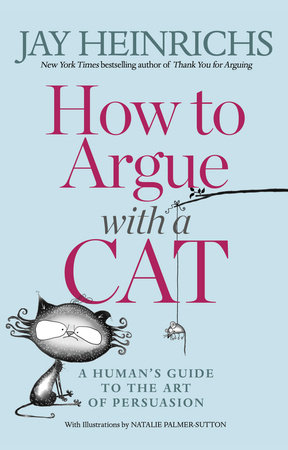
Credit: www.penguinrandomhouse.com
Cat Communication Styles
Cats do not speak like humans, but they communicate clearly. Understanding their style helps avoid confusion. It makes arguing or discussing with a cat less stressful. Cats use many ways to share their feelings and thoughts.
Knowing how cats communicate helps you see what they want. It shows if they are happy, scared, or annoyed. This guide explains cat communication styles. It covers body language, sounds, and moods.
Body Language Signals
Cats use their bodies to send messages. Tail position tells a lot. A high tail means confidence or happiness. A low or tucked tail shows fear or submission. Ears also reveal feelings. Ears forward mean curiosity or alertness. Flattened ears show anger or fear.
Eyes are another clue. Slow blinking means trust and calm. Wide eyes can show excitement or fear. A cat’s posture is key. Arched back with fur raised signals defense. Relaxed body means the cat is comfortable.
Vocalizations And Meanings
Cats use different sounds to express themselves. Meowing is common to get attention. Purring usually shows contentment but can mean stress. Hissing warns to stay away. Growling means anger or fear. Chirping or chattering often occurs when a cat is excited or hunting.
Listening closely helps understand your cat’s needs. Each sound has a purpose. Recognizing these helps you respond better during a disagreement.
Reading The Mood
Watching a cat’s mood helps avoid conflicts. Calm cats have relaxed muscles and soft eyes. An annoyed cat shows tension, tail flicks, or ears back. Fearful cats hide or freeze. A playful cat may bounce or pounce gently.
Reading mood helps decide how to approach your cat. It guides how to argue or calm them down. Being aware of mood makes communication smoother and safer.
Common Cat Arguments
Cats have many ways to show their feelings. They often argue about things important to them. Knowing these common cat arguments helps you understand their behavior better.
Each argument has its own signs. Learning these signs makes it easier to handle the situation calmly. Let’s explore the usual cat arguments.
Territory Disputes
Cats love their space. They may hiss or swipe to protect it. New cats or changes in the home can cause fights. Marking spots with scent is a common sign. Respect their boundaries to keep peace.
Food And Treat Conflicts
Food is a big deal for cats. They guard their bowls and treats closely. Sharing food can lead to growls or snapping. Feeding cats separately reduces these conflicts. Watch their body language during mealtime.
Attention And Playtime
Cats want your attention on their terms. They may nudge or paw at you to play. Ignoring them can cause frustration or meowing. Short, frequent play sessions keep them happy. Learn their play style and join in.
Techniques To Win Feline Debates
Winning a debate with a cat requires patience and smart techniques. Cats do not speak like humans. They use body language and sounds to express themselves. Understanding these signs helps you respond better. The key is to stay calm and respect their space. Timing your approach can also change the outcome. These steps make your chat with your cat more peaceful and clear.
Using Calm And Firm Tone
Speak softly but clearly. Avoid yelling or loud noises. Cats react better to gentle voices. Keep your tone steady and confident. This shows you are serious without being scary. A calm voice helps your cat feel safe. It lowers their stress and makes them listen.
Respecting Boundaries
Notice your cat’s body language. If they pull away, stop immediately. Do not force them to stay or listen. Cats need their own space to feel secure. Giving them room shows respect. It builds trust and makes future talks easier. Respect means you care about their comfort.
Timing Your Approach
Pick the right moment to talk. Avoid times when your cat is busy or sleepy. Try when they seem relaxed or curious. A cat in a good mood is more open. Watch for signs like slow blinking or purring. These moments increase your chance to communicate well.

Credit: www.amazon.ca
Handling Cat Stubbornness
Handling cat stubbornness can feel like a tricky task. Cats have strong minds and often stick to what they want. Understanding their behavior helps you avoid frustration. Patience and smart strategies work best with these furry friends. Learning when to push and when to relax keeps your bond strong.
When To Give In
Some battles with your cat are not worth fighting. If your cat refuses to listen, try stepping back. Giving in sometimes shows respect for their feelings. This helps avoid stress for both of you. Choose your moments carefully. Save your energy for important issues.
Redirecting Behavior
Redirecting your cat’s attention can change stubborn habits. Use toys or treats to guide them away from unwanted actions. This keeps their mind busy and distracted. Offering an alternative is better than forcing obedience. Cats respond well to gentle changes in focus.
Positive Reinforcement
Reward good behavior with treats or praise. Positive reinforcement encourages your cat to repeat actions. It builds trust and cooperation over time. Keep rewards small and consistent for best results. Cats learn faster when they feel safe and happy.
Building A Better Relationship
Building a better relationship with your cat is key to peaceful living together. Cats have unique ways to show feelings. Understanding these signs helps reduce conflicts. A strong bond makes arguments less frequent and easier to handle. Patience and kindness create trust between you and your cat.
Consistent Communication
Talk to your cat with calm and clear tones. Use simple words or sounds your cat knows well. Repeat the same words for actions like feeding or playtime. Cats respond better to steady signals than sudden changes. Listening to your cat’s sounds also helps you understand moods.
Understanding Cat Preferences
Each cat likes different things. Some enjoy quiet places, others want to play often. Notice what your cat avoids or seeks out. Respect these likes and dislikes to avoid stress. Providing favorite toys and cozy spots shows you care. Meeting your cat’s needs builds comfort and trust.
Creating Mutual Respect
Respect your cat’s space and body language. If your cat backs away, give it time alone. Avoid forcing interactions or holding too tightly. Let your cat choose when to come close or play. Respect teaches your cat you are a safe friend. This reduces arguments and strengthens your bond.
Credit: www.persuasivecat.com
Frequently Asked Questions
How Do Cats React To Arguments Or Loud Voices?
Cats often get scared or annoyed by loud voices and may hide or walk away.
Can Body Language Help In Arguing With A Cat?
Yes, cats understand gestures and eye contact better than words or tone.
What Topics Do Cats “argue” About Most?
Cats usually “argue” over food, attention, or personal space.
Is It Possible To Calm A Cat During A Disagreement?
Soft tones, slow blinking, and gentle petting can help calm a cat.
Why Do Cats Ignore Humans During Arguments?
Cats ignore to avoid stress or because they don’t understand human words.
Should You Use Treats To End A Cat Argument?
Treats can distract cats and help change their mood positively.
Conclusion
Arguing with a cat is more about fun than winning. Cats have their own minds and ways. Patience helps you stay calm and enjoy moments. Remember, they respond better to kindness and quiet voices. Watch their body language to understand feelings.
Respect their space to build trust over time. Every cat is different, so try different approaches. Keep the interaction light and playful. This way, both you and your cat stay happy. Enjoy the unique bond that grows from gentle talks.
As an Amazon Associate, I earn from qualifying purchases.