Does your cat have a smell that’s less than pleasant? You’re not alone.
Many cat owners wonder how to keep their furry friends smelling fresh without stressing them out. You want your cat to be clean and comfortable, but you also want to avoid harsh chemicals or stressful baths. You’ll discover simple, effective tips that you can start using right away to make your cat smell better.
Keep reading, and you’ll learn how to keep your home smelling fresh while making your cat feel happy and healthy.

Credit: www.reddit.com
Common Causes Of Cat Odor
Cat odor can be a common concern for many pet owners. Understanding the reasons behind your cat’s smell helps you manage it better. Several factors can cause a cat to have a noticeable odor. Some are easy to fix, while others need more attention.
Diet And Digestion Impact
What your cat eats affects their smell a lot. Poor diet or sudden food changes can cause bad breath and body odor. Some cats have sensitive digestion, leading to gas or diarrhea. These issues make your cat smell unpleasant. Feeding high-quality, balanced food can reduce odor problems.
Hygiene Habits
Cats usually groom themselves well. But some cats may not clean hard-to-reach places. Older or overweight cats often struggle to groom properly. Dirt and oils build up on their fur, causing smell. Regular brushing and occasional baths help keep your cat fresh.
Health Issues
Health problems can cause strong odors. Dental disease, skin infections, or ear mites create bad smells. Kidney or anal gland issues also cause odor. Watch for changes in smell that come with other symptoms. A vet checkup can find and treat these problems.
Environmental Factors
Your cat’s environment affects its smell too. Dirty litter boxes are a common source of odor. Damp bedding or living in a smoky room can make your cat smell. Keeping your cat’s area clean and fresh reduces unwanted smells. Good airflow and regular cleaning help a lot.
Regular Grooming Techniques
Regular grooming keeps your cat clean and smelling fresh. It helps remove dirt, loose hair, and oils from the fur. Grooming also prevents mats and reduces shedding. Cats enjoy gentle attention and feel relaxed during grooming sessions.
Brushing Frequency And Methods
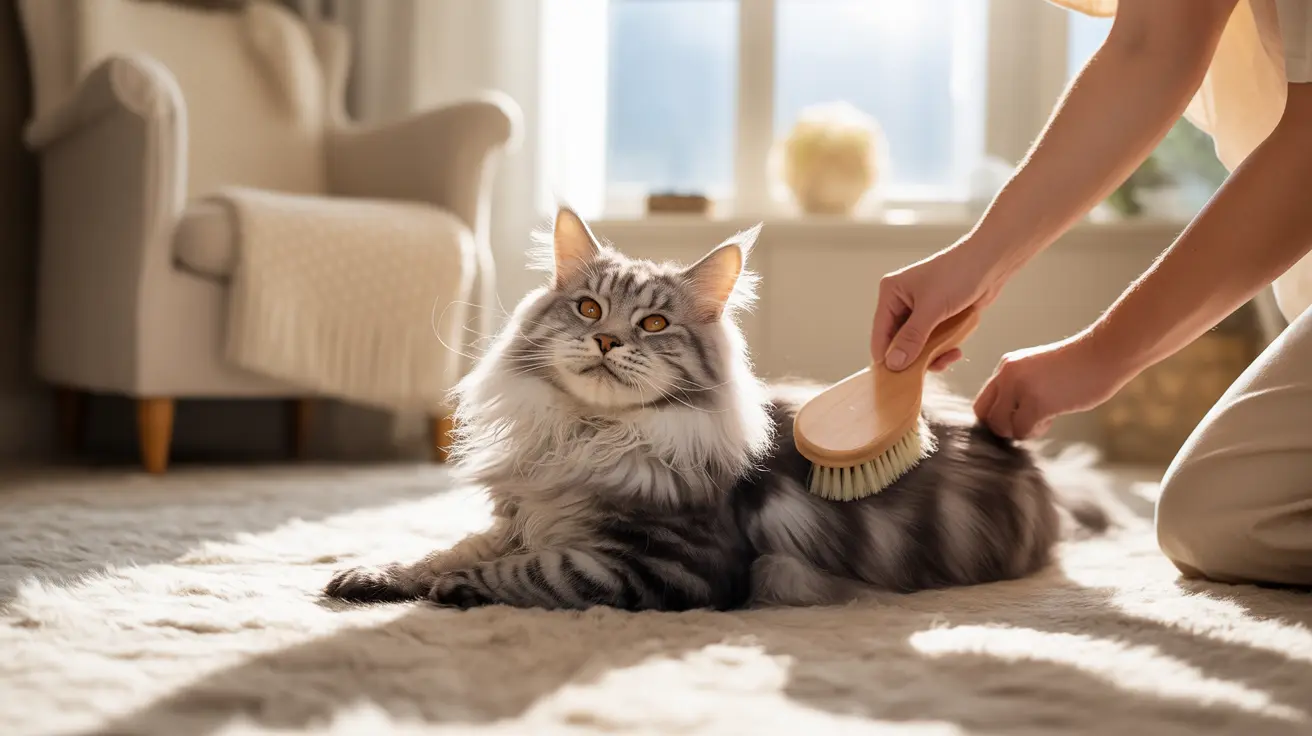
Brush your cat at least twice a week. Long-haired cats may need daily brushing. Use a brush made for cats to avoid skin irritation. Start brushing gently from the head to the tail. Pay attention to areas behind ears and under the legs. Regular brushing spreads natural oils and keeps the coat shiny.
Bathing Tips For Cats
Bathe your cat only when necessary. Most cats groom themselves well. Use a mild, cat-friendly shampoo during baths. Fill the tub with a few inches of warm water. Wet your cat slowly and avoid the face. Rinse thoroughly to remove all soap. Dry your cat with a soft towel after bathing. Keep baths short to reduce stress.
Cleaning Ears And Eyes
Check your cat’s ears weekly for dirt or wax. Use a damp cotton ball or soft cloth to clean outer ears. Never insert anything inside the ear canal. Wipe your cat’s eyes gently with a damp cloth. Remove any discharge or dirt around the eyes. Clean ears and eyes help prevent bad odors and infections.
Choosing The Right Products
Choosing the right products helps keep your cat clean and smelling fresh. Cats have sensitive skin, so use gentle items made for them. The right products remove odors without causing harm or stress.
Cat-friendly Shampoos
Pick shampoos made just for cats. These shampoos are gentle and safe for their skin. Avoid human shampoos or strong scents. They can irritate your cat’s skin and fur. Use a mild shampoo that cleans well and smells light. Bathing your cat with the right shampoo helps reduce bad odors.
Deodorizing Sprays And Wipes
Deodorizing sprays and wipes help freshen your cat between baths. Choose products with natural ingredients. Avoid sprays with alcohol or harsh chemicals. Wipes are easy to use on fur and paws. These products remove dirt and light smells quickly. They keep your cat smelling nice without stress.
Litter And Bedding Options
Good litter helps control bad smells in your home. Choose clumping litter with odor control features. Change litter regularly to keep it fresh. Wash your cat’s bedding often with mild detergent. Soft, clean bedding absorbs odors and feels cozy. Clean litter and bedding improve your cat’s overall smell.
Credit: www.petscare.com
Diet And Hydration Tips
Diet and hydration play a big role in how your cat smells. A good diet helps keep their skin and fur healthy. Clean water keeps them fresh from the inside out. Small changes in what your cat eats and drinks can improve their natural scent.
Foods That Promote Healthy Skin
Foods rich in omega-3 and omega-6 fatty acids help keep skin soft. Fish like salmon and sardines provide these healthy fats. These fats reduce dryness and flakiness in your cat’s coat. Protein from chicken and turkey supports fur growth and strength. Avoid foods with fillers like corn and soy. Natural, high-quality ingredients improve overall skin health.
Hydration Benefits
Water helps flush toxins from your cat’s body. Proper hydration prevents dry skin and bad odors. Cats often drink less water, so encourage them with fresh bowls. Wet cat food also adds moisture to their diet. Well-hydrated cats tend to have cleaner, healthier fur and skin.
Supplements For Better Smell
Supplements can boost skin and coat health. Fish oil capsules provide essential fatty acids. Probiotics help balance gut bacteria and reduce body odor. Always check with a vet before adding supplements. The right supplements support your cat’s natural scent.
Maintaining A Clean Environment
Keeping your cat smelling fresh starts with a clean home. A tidy environment helps reduce odors and keeps your cat happy. Dirt and mess can cause bad smells. Clean spaces make your cat feel safe and comfortable.
Litter Box Maintenance
Clean the litter box every day. Scoop out waste to stop smells from spreading. Change the litter fully at least once a week. Wash the box with mild soap and water before adding new litter. Place the box in a well-ventilated area. This helps keep the area fresh and odor-free.
Cleaning Cat Toys And Accessories
Wash your cat’s toys regularly. Use warm water and mild soap to remove dirt. Rinse well and dry completely before giving them back. Clean collars, beds, and blankets often. These items collect dirt and smells quickly. Regular cleaning keeps your cat’s items fresh and clean.
Controlling Household Odors
Ventilate your home by opening windows daily. Fresh air reduces bad smells. Use baking soda on carpets and furniture to absorb odors. Vacuum regularly to remove hair and dust. Avoid strong scented sprays near your cat. They may irritate your pet and cause more odor problems.
When To See A Veterinarian
Knowing when to see a veterinarian is important for your cat’s health and smell. Some odors come from health problems that need treatment. Visiting a vet can help find and fix these issues quickly.
Signs Of Medical Problems
Watch for unusual smells from your cat’s skin, mouth, or ears. Bad breath, greasy fur, or a strong body odor can signal illness. Skin infections, dental disease, or ear mites often cause bad smells. If your cat scratches a lot or has sores, see a vet.
Professional Cleaning Options
Sometimes, your cat needs a deep cleaning by a professional. Vets offer baths and treatments that remove stubborn odors safely. They use special shampoos and methods to protect your cat’s skin. This cleaning helps reduce strong smells from infections or dirt.
Managing Chronic Odor Issues
Chronic odors may mean long-term health care is necessary. Your vet can suggest diets or medicines to control smells. Regular check-ups keep your cat healthy and fresh. Managing allergies or skin conditions often reduces bad odors.

Credit: www.uahpet.com
Frequently Asked Questions
How Often Should I Bathe My Cat To Reduce Odor?
Cats usually need a bath only if they are very dirty or smelly, about once a month.
What Type Of Shampoo Is Best For Making Cats Smell Good?
Use a gentle, cat-safe shampoo that is free from strong fragrances and harsh chemicals.
Can Diet Affect My Cat’s Natural Smell?
Yes, a healthy diet with quality food can improve your cat’s coat and reduce bad odors.
How Can I Clean My Cat’s Bedding To Keep Them Smelling Fresh?
Wash the bedding regularly in hot water and use mild detergent to remove odors effectively.
Does Brushing Help In Keeping My Cat Smelling Better?
Brushing removes dirt and loose fur, which helps reduce odor and keeps the coat clean.
Are There Safe Sprays Or Products To Make Cats Smell Better?
Use only pet-safe, non-toxic sprays designed for cats to freshen their coat without harm.
Conclusion
Keeping your cat clean helps them smell fresh and feel good. Regular brushing removes dirt and loose fur easily. Bathing your cat carefully can reduce strong odors. Using gentle pet shampoos protects their skin. Clean their bedding often to avoid bad smells.
A healthy diet also improves your cat’s scent. Small steps each day make a big difference. Your cat will enjoy being clean and comfy. A fresh-smelling cat means a happier home for everyone. Simple care routines keep your pet smelling great.
As an Amazon Associate, I earn from qualifying purchases.