Are you wondering how old your cat can be to get declawed? It’s a question many cat owners face when dealing with scratching issues or furniture damage.
You want what’s best for your furry friend, but you also want to make sure any procedure is safe and humane. Understanding the right age and the risks involved can help you make the best choice for your cat’s health and happiness.
Keep reading to find out everything you need to know before making this important decision.
Age Factors For Declawing
Age plays a big role in deciding if a cat can be declawed. Not all cats handle the procedure the same way. The cat’s stage of life affects healing time and risks. Understanding how age impacts declawing helps make better choices for your pet.
Kitten Age Range
Kittens are usually declawed between 8 and 12 weeks old. Their bones and claws are softer then. Surgery is less painful, and healing happens faster. Young kittens can recover quickly but still need gentle care. Early age declawing is less risky but still controversial.
Adult Cats Considerations
Adult cats have stronger, fully grown claws and bones. Surgery is more complex and recovery takes longer. Pain management is very important for adult cats. They may have more stress and anxiety from the operation. Some vets advise against declawing adult cats due to these factors.
Senior Cats Risks
Senior cats face higher health risks with declawing. Older cats heal slower and can develop complications. Age-related illnesses make surgery dangerous. Pain can affect their quality of life more. Many experts recommend avoiding declawing cats over 7 years old.

Credit: northwoodanimal.com
Health Implications By Age
Age plays a big role in how a cat handles declawing surgery. Health risks and recovery vary a lot between young and older cats. Understanding these differences helps pet owners make better choices. This section explains the health effects of declawing by a cat’s age.
Surgical Risks In Young Cats
Young cats face risks like bleeding and infection during surgery. Their bones and tissues are still growing. Surgery can cause more damage to their developing paws. Anesthesia also has risks for young cats. Their small size makes it harder to control anesthesia effects. Careful monitoring is essential to keep young cats safe.
Recovery Challenges In Older Cats
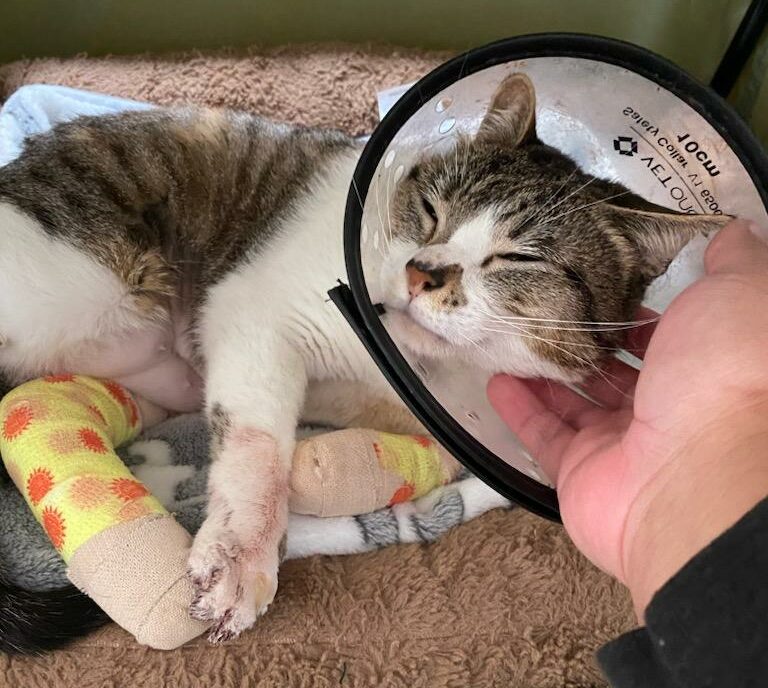
Older cats heal slower after declawing. Age can weaken their immune system. They may face more pain and discomfort. Arthritis or other health problems can make recovery harder. Older cats might not use their paws normally after surgery. Extra care and pain management are needed to help them heal.
Long-term Effects
Declawing can cause lasting problems at any age. Cats may develop balance issues and joint pain. Older cats might have more trouble walking or jumping. Young cats can face lifelong pain or nerve damage. Declawing can change a cat’s behavior. Some cats become more anxious or aggressive.
Veterinary Recommendations
Veterinarians share clear advice about declawing cats. They focus on the cat’s health and well-being. Many discourage declawing except in rare cases. Understanding their views helps cat owners make good choices.
Ideal Timing For Procedure
Young kittens, usually under five months old, are best for declawing. Their bones and tissues heal faster at this age. Older cats face more pain and longer recovery. Many vets avoid declawing cats older than six months. Some say it should never be done on adult cats.
Alternatives To Declawing
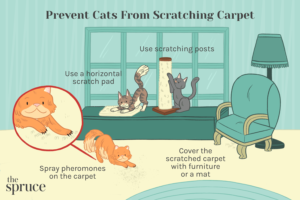
Vets suggest other ways to protect furniture and skin. Nail trimming is simple and safe. Soft nail caps can cover claws without harm. Scratching posts and pads help cats exercise their claws naturally. Training cats to use these tools reduces the need to declaw.
Ethical Perspectives
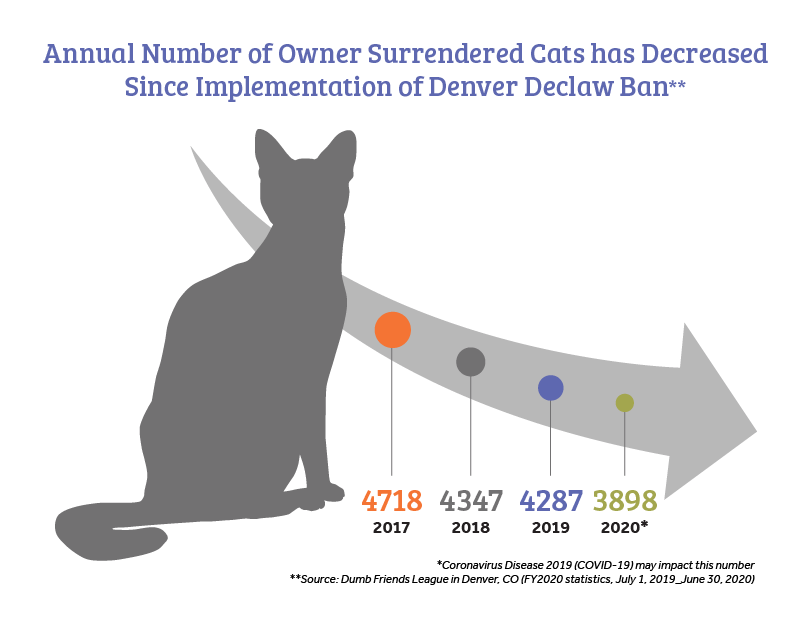
Many vets view declawing as a last resort. It involves removing part of the cat’s toes. This can cause pain and behavior changes. Animal welfare groups often oppose declawing. The focus is on kindness and respect for the cat’s body.
Credit: catvets.com
Behavioral Impact By Age
Declawing affects cats differently depending on their age. Age plays a big role in how cats change their behavior after declawing. Understanding these changes helps pet owners care better for their cats.
Changes In Young Cats
Young cats are still learning how to behave. Declawing at a young age can cause confusion. They may stop using the litter box. Some become afraid or shy. Playful energy might turn into fear or anxiety. Early declawing can change a young cat’s trust in humans.
Behavior In Mature Cats
Mature cats have set habits and personality traits. Declawing can cause stress and pain. Some may grow more aggressive or withdrawn. They might bite more to protect themselves. Older cats often take longer to heal. Behavioral changes can last longer in mature cats.
Adjusting To Life Post-declaw
All cats need time to adjust after declawing. Patience and gentle care help them feel safe. Providing soft bedding and quiet spaces is key. Encourage new ways to play and climb. Watch for signs of pain or stress. Helping cats adapt reduces behavior problems over time.
Credit: berkeleyhumane.org
Frequently Asked Questions
How Old Can A Cat Be To Get Declawed Safely?
Cats are usually declawed when they are young, between 8 to 12 weeks old, for safer recovery.
Is Declawing Older Cats More Risky?
Older cats face higher risks of pain and complications after declawing surgery.
Can Adult Cats Recover Well From Declawing?
Adult cats can recover, but healing takes longer and may cause more discomfort.
Does Age Affect Declawing Surgery Success?
Yes, younger cats tend to heal faster and have fewer side effects than older cats.
What Age Is Too Old To Declaw A Cat?
Cats older than one year have increased risks, making declawing less advisable.
Are There Alternatives To Declawing For Older Cats?
Nail caps and regular trimming are safer options than declawing for older cats.
Conclusion
Cats of any age can face risks with declawing surgery. Older cats may heal slower and feel more pain. Talk to your vet about your cat’s health first. Consider safe alternatives to declawing, like nail trimming or soft paws. Protect your furniture without hurting your pet.
Remember, your cat’s comfort and well-being matter most. Choose options that keep your cat happy and healthy for years. Making a careful choice helps your cat live a better life.
As an Amazon Associate, I earn from qualifying purchases.