Are you wondering when the best time is to have your cat spayed? It’s a question many cat owners face, and the answer can make a big difference in your cat’s health and happiness.
Knowing the right age to spay your cat can protect her from serious health risks and unwanted behaviors. You’ll discover clear, simple guidance on when to schedule this important procedure. Keep reading to learn how to make the best choice for your furry friend’s well-being.
Ideal Age For Spaying
Choosing the right age to spay a cat is very important. Spaying at the ideal time helps keep your cat healthy. It also prevents many future problems. Knowing the best age helps you plan the surgery safely.
Many vets suggest spaying cats before they reach sexual maturity. This helps avoid unwanted litters and some health risks. Let’s explore the benefits and risks tied to spaying age.
Early Spaying Benefits
Spaying a cat early, usually around 5 to 6 months old, has many benefits. It stops her from going into heat. This reduces stress and unwanted behaviors. Early spaying lowers the risk of certain cancers. It also prevents uterine infections that can be dangerous. Cats recover faster from surgery at a young age. Early spaying helps control the pet population too.
Risks Of Delayed Spaying
Waiting too long to spay a cat can cause problems. Older cats might face more surgery risks. The chance of mammary tumors rises after multiple heat cycles. Unspayed cats may develop infections in the uterus. Behavioral issues like yowling and spraying can appear. Delays increase the chance of accidental litters. It also makes spaying more complicated and costly.
Veterinarian Recommendations
Most veterinarians recommend spaying cats before six months old. Some vets suggest even earlier, around eight to twelve weeks. They consider the cat’s health and size before surgery. Vets check if the cat is strong enough for anesthesia. They explain the procedure and aftercare to the owner. Trusting your vet’s advice ensures the best care for your cat.
Health Benefits Of Spaying
Spaying a cat has many health benefits that affect her entire life. It helps keep your cat safe from serious diseases. The procedure also supports better behavior and long-term health. Understanding these benefits will help you make the best choice for your pet.
Prevention Of Reproductive Diseases
Spaying stops your cat from getting infections in her uterus. It also lowers the risk of breast cancer, especially if done early. Cats that are not spayed can develop painful tumors and infections. Spaying helps protect your cat from these health problems.
Behavioral Improvements
Spayed cats are less likely to roam and fight with other animals. They do not go into heat, so they avoid yowling and restlessness. This makes your cat calmer and easier to live with. It also reduces stress for both you and your cat.
Long-term Wellness
Spaying increases your cat’s chance to live a longer, healthier life. It lowers the chance of dangerous pregnancies and complications. Your cat will avoid many health risks tied to her reproductive system. This choice supports her well-being for years to come.
Spaying Procedure Basics
Spaying is a common surgery that helps keep cats healthy. It stops female cats from having kittens. Understanding the basics helps pet owners prepare well for the process. This section explains what happens before, during, and after the surgery.
Pre-surgery Preparation
Your cat should fast for about 8 to 12 hours before surgery. No food, but water is usually allowed. The vet will do a check-up to ensure your cat is healthy. Blood tests may be done to check organ function. Prepare a quiet place at home for recovery. Remove food and water bowls to avoid eating before surgery.
Surgical Process
The cat is given anesthesia to sleep deeply. The vet makes a small cut near the belly. The ovaries and uterus are removed carefully. The cut is closed with stitches or glue. The whole surgery takes about 20 to 30 minutes. Your cat wakes up in a warm, safe area after surgery.
Post-surgery Care
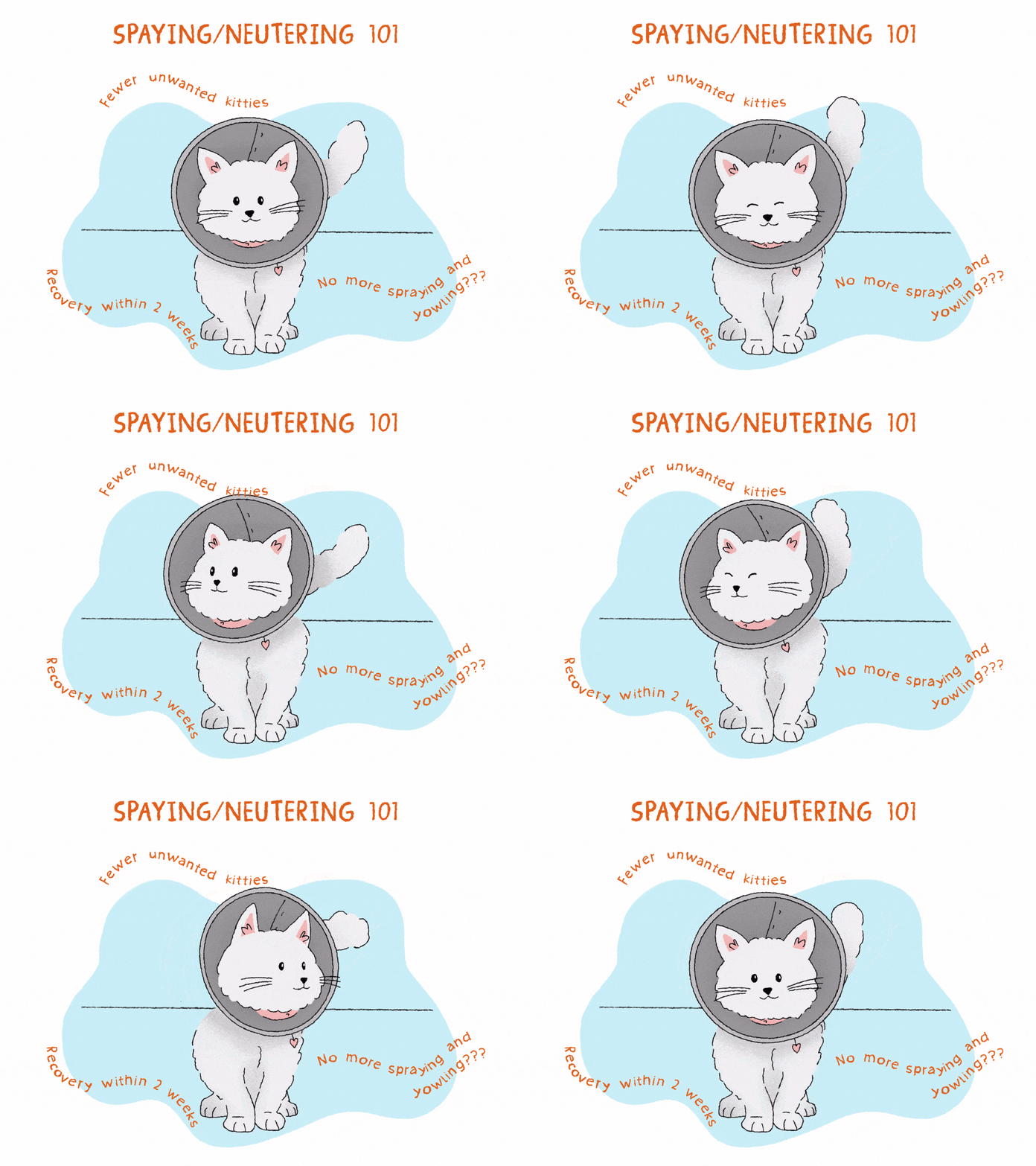
Your cat may feel sleepy or sore for a day or two. Keep her inside and limit movement to help healing. Watch the surgery site for redness or swelling. Prevent licking by using an Elizabethan collar if needed. Follow the vet’s instructions on pain medicine. Most cats recover fully in 10 to 14 days.
Potential Risks And Complications
Spaying a cat is a common and safe procedure. Yet, like all surgeries, it carries some risks. Knowing these risks helps pet owners prepare and care better for their cats. This section explores potential risks and complications linked to spaying.
Surgical Risks
During surgery, bleeding can occur. Surgeons take care to control it quickly. Infection is another risk. The surgical area must stay clean to avoid it. Sometimes, internal organs may get injured. This happens rarely but requires immediate attention.
Anesthesia Concerns
Anesthesia keeps cats pain-free during surgery. Some cats might react poorly. Older or sick cats face higher risks. Monitoring heart rate and breathing is critical. Vets adjust anesthesia to each cat’s needs.
Postoperative Issues
After surgery, cats can have swelling or bruising. These signs usually fade in a few days. Some cats may lick or bite the wound. This can cause infection or slow healing. Watch for signs of pain or fever. Contact the vet if problems appear.
Spaying Myths Debunked
Many cat owners hesitate to spay their pets due to common myths. These myths cause confusion and delay important care. Clearing up false ideas helps owners make better choices. Understanding the truth about spaying keeps cats healthy and happy.
Let’s explore some popular myths about spaying and reveal the facts behind them.
Myth About Weight Gain
Some believe spaying makes cats gain too much weight. Spaying lowers hormone levels but does not cause obesity directly. Weight gain happens if cats eat more and move less after surgery. Proper diet and exercise keep cats fit after spaying.
Myth About Personality Changes
People often think spaying changes a cat’s personality. Spaying does not alter a cat’s nature or behavior. Cats may become calmer, but their core personality stays the same. Spaying helps reduce unwanted behaviors like spraying or yowling.
Fertility And Timing Misconceptions
Many believe cats must be fully grown before spaying. Early spaying is safe and can prevent health problems. Waiting too long increases risks like unwanted litters or diseases. Vets recommend spaying before the first heat for best results.

Credit: moribellevue.com
Special Cases And Considerations
Spaying cats usually follows general age guidelines, but some cases need special care. Certain situations change the best time for spaying. Knowing these helps keep your cat safe and healthy.
Spaying Older Cats
Older cats can be spayed safely. Their surgery needs careful health checks first. Vets look for heart, kidney, or liver problems. Surgery may take longer but still helps prevent diseases. Older cats often recover well with good care.
Pregnant Cats
Spaying pregnant cats is possible but delicate. Vets decide based on how far along the pregnancy is. Early spaying stops more kittens from being born. Surgery risks increase with pregnancy age. Careful monitoring before and after surgery is key.
Health Conditions Affecting Timing
Some health problems can delay spaying. Illnesses like infections or low immunity need treatment first. Vets may wait until your cat is stronger. Chronic diseases require a tailored plan. Safety is the top priority in all cases.
Cost And Accessibility
Spaying a cat is important for her health and to prevent unwanted litters. Cost and access to spaying services affect many pet owners. Understanding typical costs and options helps plan better. Affordable clinics and financial aid can make spaying easier to manage.
Typical Costs
Spaying prices vary widely by location and clinic type. Most regular veterinary clinics charge between $100 and $300. This fee usually includes anesthesia, surgery, and basic care. Some places may charge extra for pain medication or blood tests. Costs tend to be higher in big cities than rural areas.
Low-cost Clinics
Animal shelters and nonprofit groups often offer low-cost spaying. These clinics reduce prices to help more cats get fixed. Fees can be as low as $50 to $100. Some clinics run special events or mobile services for easier access. These options help owners who cannot afford full vet prices.
Financial Assistance Options
Many organizations provide grants or vouchers for spaying. Local animal welfare groups may offer help to low-income families. Some vets allow payment plans to spread out costs. Fundraisers and charity programs also support pet healthcare. Asking about financial aid can reduce the burden of spaying expenses.

Credit: produtoresflorestais.pt
Preparing Your Cat For Surgery
Preparing your cat for spaying surgery is important for a smooth and safe experience. It helps your cat stay calm and healthy before the operation. You can make this time easier by following simple steps. These steps also help the vet do the surgery safely.
Careful preparation reduces stress for your cat. It also helps the surgery go well. Knowing what to do before surgery makes you ready for the day. Here are some key tips to get your cat ready.
Fasting Guidelines
Your cat should not eat before surgery. Usually, no food for 8 to 12 hours is best. Water may be allowed until a few hours before surgery. This prevents problems with anesthesia. Follow your vet’s exact instructions on fasting times. Do not give treats or snacks before surgery.
Comfort And Stress Reduction
Keep your cat calm and relaxed before surgery. Provide a quiet, cozy place to rest. Soft bedding and a familiar blanket help comfort your cat. Avoid loud noises and busy areas in the house. Gentle petting and calm voices soothe your cat. Stress can affect recovery, so keep things peaceful.
What To Expect On Surgery Day
Bring your cat to the vet at the scheduled time. The vet will check your cat’s health before surgery. Your cat will be given anesthesia to sleep during the operation. Surgery usually takes about 20 to 30 minutes. After surgery, your cat stays in recovery for a few hours. The vet will explain post-surgery care before you go home.
Recovery Tips And Monitoring
After your cat is spayed, careful recovery and close monitoring are very important. This helps your pet heal quickly and avoid problems. You need to watch your cat daily and provide a calm, safe space. Small steps can make a big difference in recovery.
Pain Management
Your vet will give medicine to ease pain after surgery. Give the medicine exactly as told. Do not stop early, even if your cat seems better. Watch for signs of pain, like hiding, not eating, or meowing more. Comfort your cat with gentle petting and a quiet place to rest.
Activity Restrictions
Keep your cat calm and quiet for at least two weeks. Stop jumping, running, and climbing. Use a small room or crate if needed. Avoid letting your cat outside during this time. Too much activity can cause the wound to open or bleed. Let your cat slowly return to normal play after healing.
Signs Of Complications
Check the surgery site every day. Look for swelling, redness, or bleeding. Watch if your cat licks or bites the area too much. Notice if your cat vomits, has diarrhea, or stops eating. These can be signs of infection or other problems. Call your vet right away if you see these signs.
Credit: www.liftingitalia.com
Frequently Asked Questions
At What Age Is It Safe To Spay A Cat?
Cats can be safely spayed as early as 8 weeks old, but usually between 4 to 6 months.
Why Spay A Cat Before Her First Heat?
Spaying before the first heat lowers the risk of cancer and unwanted litters.
Can Kittens Be Spayed Too Early?
Yes, vets often spay kittens as young as 8 weeks if they weigh enough and are healthy.
How Does Spaying Affect A Cat’s Behavior?
Spaying usually reduces roaming, spraying, and aggressive behavior in female cats.
Is There A Health Risk In Spaying Young Cats?
Spaying young cats is generally safe and has fewer risks than spaying older cats.
What Happens If A Cat Is Spayed After Her First Heat?
Spaying after first heat is still good but may have a slightly higher health risk.
Conclusion
Spaying a cat at the right age helps keep her healthy and happy. Most vets recommend spaying between 5 and 6 months old. Doing it early can prevent unwanted litters and health problems. Talk to your vet to find the best time for your cat.
Taking care of her now saves trouble later. A healthy cat means a happy home.
As an Amazon Associate, I earn from qualifying purchases.