If your dog can’t stop staring at the cat, you know how stressful it can get. That constant fixating can lead to barking, chasing, or even fights.
You want peace in your home, but it feels like your dog just won’t calm down. The good news? You can change this behavior. You’ll discover simple, effective ways to help your dog focus on something else—and finally live in harmony with your cat.
Keep reading, because the solution is easier than you think.

Credit: lightenupdogtraining.co.uk
Reasons For Dog Fixation On Cats
Dogs often show strong interest in cats. This can seem like fixation. Understanding why dogs fixate helps manage their behavior better.
Several reasons explain this fixation. Some are natural instincts. Others come from past experiences or environment.
Instinctive Prey Drive
Dogs have a natural prey drive. Cats move quickly, triggering this instinct. The dog’s chase response can be strong. This drive is part of their hunting nature.
Lack Of Socialization
Dogs not used to cats may fixate out of curiosity. Lack of early socialization causes confusion. The dog does not know how to behave. This can lead to intense focus on cats.
Previous Experiences
Past encounters shape a dog’s reaction. Negative or exciting experiences with cats can cause fixation. The dog remembers and reacts strongly. This influences how they act around cats.
Territorial Behavior
Dogs may see cats as intruders. They protect their space from other animals. This causes them to watch or chase cats. Territorial instincts can increase fixation.
Signs Of Fixation To Watch For
Dogs can show many signs when they fixate on a cat. Spotting these signs early helps you manage your dog’s behavior. Watch closely to understand how your dog reacts around cats. Knowing these signs makes it easier to stop fixation before it grows.
Intense Staring
Your dog may lock eyes with the cat for long moments. This staring is more than curiosity. It shows strong focus and interest. The dog does not blink or look away. Intense staring can cause stress for both pets.
Chasing Behavior
Chasing is a clear sign of fixation. The dog tries to follow or run after the cat. This can happen even if the cat moves away fast. Chasing can lead to dangerous situations or fights.
Barking And Growling
Dogs often bark or growl when fixated on a cat. These sounds show excitement or frustration. Barking might be loud and persistent. Growling warns the cat to stay away. Both can increase tension between pets.
Body Language Indicators
Watch your dog’s body for signs of fixation. The dog may stand stiff with a raised tail. Ears might point forward or flatten back. Pacing or lunging can also appear. These signals reveal the dog’s strong interest in the cat.
Preparing For Training Sessions
Preparing for training sessions helps your dog learn better. It builds a calm and safe space for both pets. Planning each step makes training clear and effective. This section covers how to set up and start training.
Creating A Controlled Environment
Choose a quiet room with few distractions. Close doors and windows to limit outside noise. Use a leash on your dog to control movements. Keep the cat in a safe area where it feels secure. This helps your dog focus on training, not the cat.
Gathering Training Tools
Prepare treats your dog loves for rewards. Have a clicker or a small bell for marking good behavior. Use a sturdy leash and collar for control. Bring toys to distract and redirect your dog’s attention. Keep water nearby to keep your dog comfortable.
Setting Realistic Goals
Start with short training sessions of five to ten minutes. Aim for small steps like looking at the cat calmly. Avoid expecting perfect behavior right away. Praise and reward every small success. Gradually increase session time and difficulty as your dog improves.
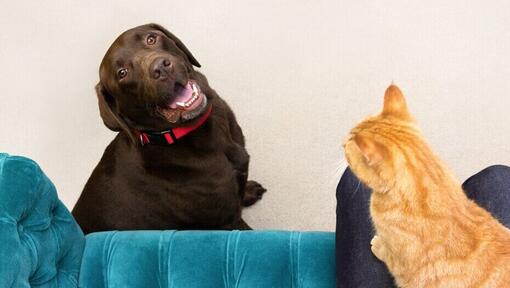
Credit: www.purina.co.uk
Basic Commands To Establish Control
Teaching your dog basic commands builds a strong foundation for control. These commands help redirect your dog’s focus away from the cat. They also set clear boundaries that your dog can understand.
Consistent practice of these commands makes your dog listen better. This reduces unwanted behaviors like fixating on the cat. Start training in a quiet space with few distractions.
Sit And Stay
The “Sit” command calms your dog and stops movement. Follow it with “Stay” to hold your dog in place. This prevents your dog from rushing toward the cat. Practice both commands regularly to improve your dog’s self-control.
Leave It
“Leave It” tells your dog to ignore something interesting. Use it when your dog looks at the cat too much. Reward your dog when it obeys. This teaches your dog that ignoring the cat brings rewards.
Focus And Attention
Train your dog to look at you on command. Say “Focus” or “Look” while showing a treat. This shifts your dog’s eyes from the cat to you. Use this command to keep your dog’s attention during walks.
Recall Commands
Recall means calling your dog back to you. Use a clear word like “Come” or “Here.” Practice in safe areas with few distractions. A strong recall helps you regain control if your dog fixates on the cat.
Desensitization Techniques
Desensitization techniques help your dog get used to cats calmly. These methods reduce your dog’s strong reactions over time. The goal is a peaceful relationship between your dog and cat. Patience is key. Progress happens slowly but surely.
Gradual Exposure To Cats
Start by showing your dog a cat from a distance. Keep the dog on a leash and calm. Let the dog see the cat but not get too close. Slowly shorten the distance as your dog stays relaxed. Repeat this often. This helps your dog accept the cat as normal.
Positive Reinforcement
Reward your dog for calm behavior near the cat. Use treats, praise, or petting. Give rewards right after your dog stays quiet and relaxed. This teaches your dog that calmness brings good things. Avoid punishment. Focus on rewarding good actions instead.
Using Distance To Reduce Reactivity
Keep a safe distance between your dog and cat. Distance lowers your dog’s stress and excitement. Watch your dog’s body language. If your dog gets tense, increase the space. Gradually close the gap as your dog feels more comfortable. This helps control strong reactions.
Redirecting Fixation Behavior
Redirecting fixation behavior helps dogs focus on something other than cats. This approach reduces stress for both pets. It teaches dogs new habits and creates a calm environment. Redirecting prevents chasing and aggressive behavior. It also strengthens the bond between you and your dog.
Engaging In Alternative Activities
Offer your dog different tasks to do. Walks, training, or simple chores work well. These activities keep your dog’s mind busy. A busy dog forgets about the cat. Change activities often to hold your dog’s interest.
Using Toys And Games
Toys help shift your dog’s attention. Choose toys your dog loves, like balls or chew toys. Play fetch or tug-of-war to excite your dog. Games also burn off extra energy. This lowers the chance of fixating on the cat.
Rewarding Calm Behavior
Give treats when your dog stays calm near the cat. Praise your dog softly to encourage quiet moments. Rewards teach your dog that calmness brings good things. This makes your dog want to stay relaxed. Repeat often to build positive habits.
Managing Interactions Between Dog And Cat
Managing interactions between a dog and a cat is key to reducing fixation. Careful control helps both pets feel safe. Thoughtful steps create a peaceful home for everyone.
Supervised Meetings
Always watch your dog and cat when they meet. Keep the dog on a leash to control its movements. Praise calm behavior from your dog during the meeting. Let the cat approach on its own time. Short, calm meetings build positive habits.
Safe Spaces For Cats
Create areas where the cat can rest without dog access. Use baby gates or high shelves as cat-only zones. The cat needs places to retreat and feel secure. Safe spaces reduce stress and help calm the cat. Respect these zones to avoid tension.
Monitoring Body Language
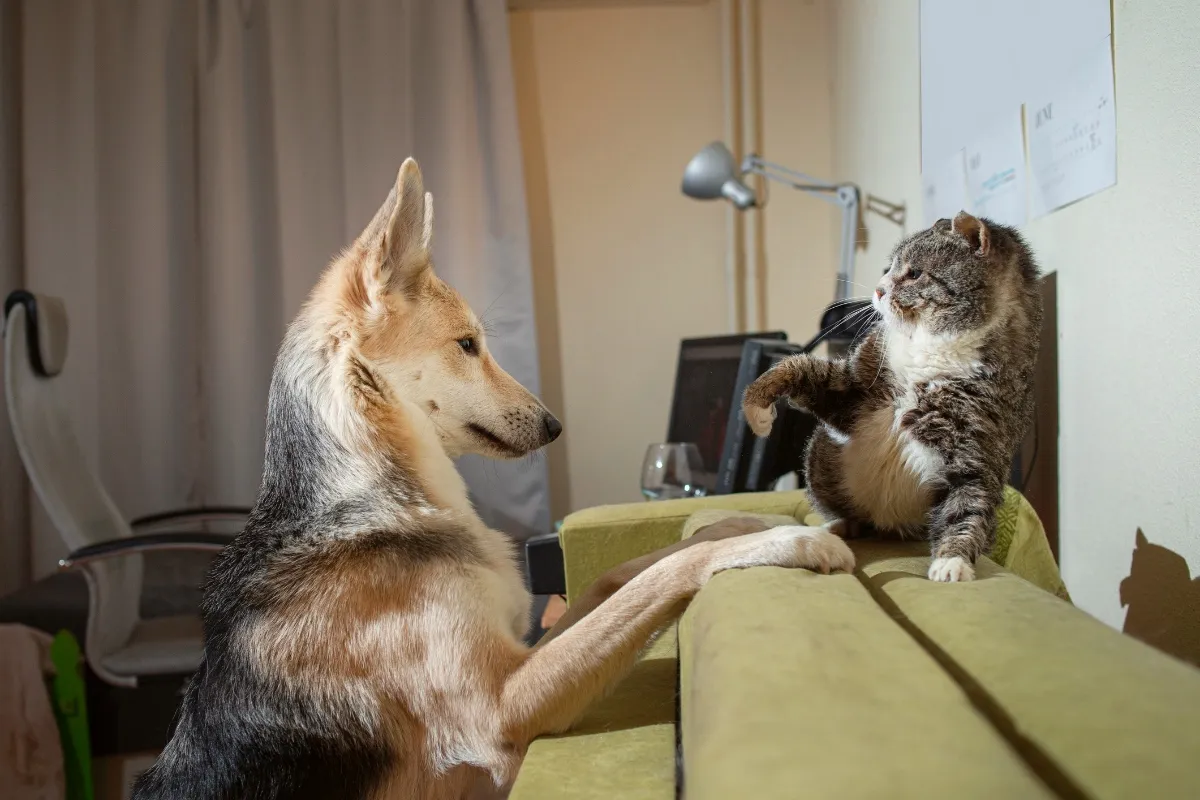
Watch both pets’ body signals during interaction. Look for signs of stress or excitement. Raised hackles or stiff posture in dogs means tension. A cat with flattened ears or a twitching tail shows discomfort. Step in and separate pets if signs appear. Early action prevents conflicts and keeps peace.
Credit: www.healthypawspetinsurance.com
When To Seek Professional Help
Sometimes, handling a dog that fixates on a cat can be very hard. When simple training does not work, professional help might be needed. Experts can offer tools and techniques that are not easy to do alone. Knowing when to seek help can save time and stress for both pets and owners.
Signs Training Isn’t Working
Your dog keeps chasing or barking at the cat despite training efforts. The dog shows high levels of stress or aggression near the cat. You notice no progress after weeks of consistent training. The cat seems scared or hides often due to the dog. These signs suggest that the problem needs more than basic training.
Choosing A Trainer Or Behaviorist
Find a trainer with experience in dog and cat interactions. Look for someone who uses positive methods, not punishment. Ask about their success stories and credentials. A behaviorist can help if the dog’s actions come from fear or anxiety. Choose a professional who understands your dog’s breed and behavior.
Behavior Modification Programs
These programs use step-by-step plans to change your dog’s reaction. They focus on teaching calm and controlled behavior around cats. Programs often include controlled meetings and reward systems. The goal is to reduce the dog’s fixation and increase peaceful coexistence. A professional guides you through each step for best results.
Frequently Asked Questions
How Can I Stop My Dog From Chasing The Cat?
Distract your dog with toys or treats. Teach commands like “sit” or “stay” to redirect attention.
Why Does My Dog Fixate On My Cat?
Dogs often fixate due to curiosity, prey drive, or excitement. Understanding this helps manage their behavior.
What Training Helps Reduce Dog’s Focus On Cats?
Use positive reinforcement training. Reward calm behavior around cats to encourage peaceful interactions.
Can Exercise Reduce A Dog’s Obsession With A Cat?
Yes, regular exercise burns energy and lowers stress, helping reduce fixation on the cat.
Should I Separate My Dog And Cat During Training?
Yes, separate them initially. Gradually allow supervised meetings to build safe, calm interactions.
When Is Professional Help Needed For Dog-cat Behavior?
Seek help if aggression or fixation persists despite training. Experts provide tailored advice and support.
Conclusion
Stopping a dog from fixating on a cat takes time and patience. Consistent training helps your dog learn new behaviors. Use positive rewards to encourage calm actions. Create safe spaces for both pets to relax. Watch their interactions closely to avoid stress.
Gradually, your dog will pay less attention to the cat. Keep practicing every day for the best results. Peaceful homes come from understanding and steady effort. Your pets will enjoy a happier life together.
As an Amazon Associate, I earn from qualifying purchases.