If you have a cat flap in your door, you know how tricky it can be to keep the cold air out and the warm air in. Your home might feel drafty, and your heating bills could be higher than you’d like.
But what if you could easily fix this problem? Learning how to insulate your cat flap is a simple step that can make a big difference. You’ll discover practical tips that save energy, keep your pet comfortable, and protect your home from chilly drafts.
Keep reading to find out how to make your cat flap work better for you and your furry friend.
Choosing The Right Cat Flap
Choosing the right cat flap is key to keeping your home warm and your pet happy. The right flap stops drafts and keeps cold air out. It also fits your cat’s size and matches your door or wall. Think about materials, size, and energy-saving features for the best choice.
Material Options
Cat flaps come in plastic, metal, or insulated materials. Plastic is lightweight and easy to install. Metal is strong and lasts longer. Insulated flaps help stop cold air from entering your home. Choose a material that fits your climate and door type.
Size And Fit
Measure your cat before buying a flap. The opening must be big enough for your cat to pass comfortably. Too small, and your cat may struggle. A tight fit around the flap stops drafts. Check the flap fits your door thickness too.
Energy-efficient Features
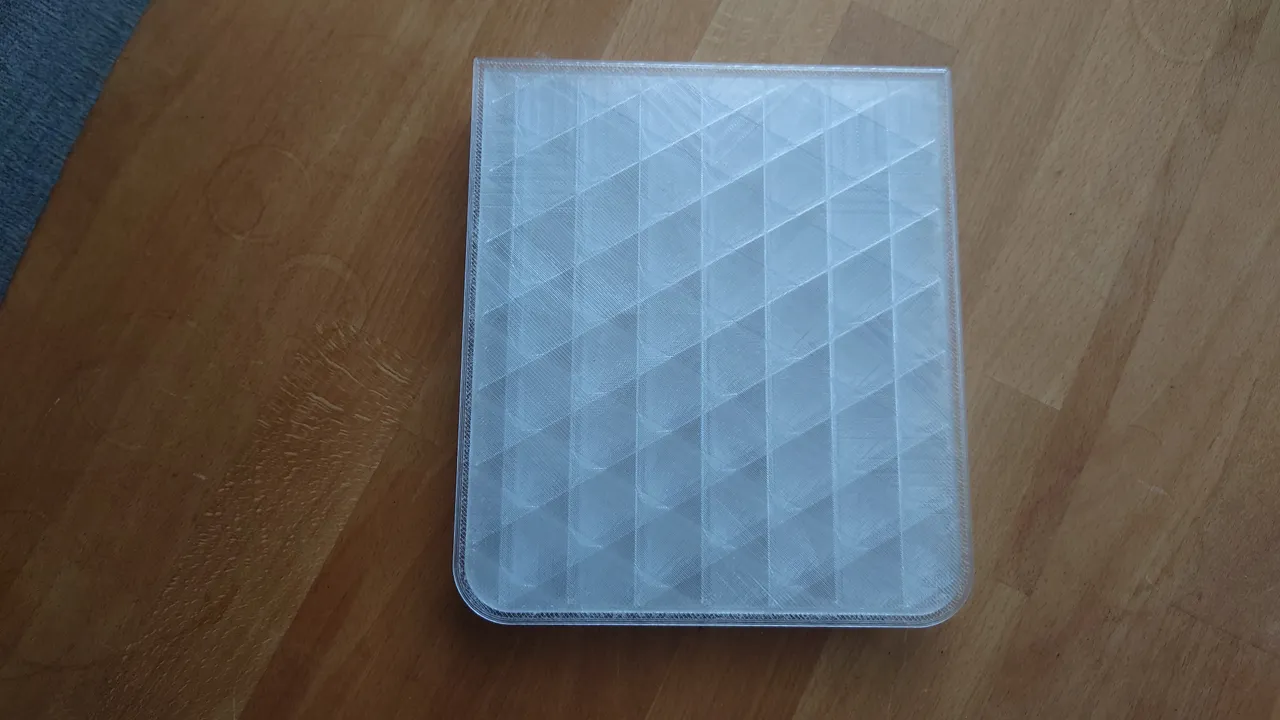
Look for flaps with magnetic seals or double flaps. These keep warm air in and cold air out. Some flaps have sensors that only open for your cat. This stops other animals from entering. Energy-efficient flaps help reduce heating bills and keep your home cozy.
Credit: www.printables.com
Common Heat Loss Points
Heat escapes through weak spots around a cat flap. These common heat loss points make your home colder and raise energy bills. Knowing where heat leaks helps you insulate better. Focus on these areas to keep warmth inside.
Gaps Around The Flap
Gaps around the cat flap let cold air in. These spaces appear when the flap is not fitted tightly. Even small gaps cause a big heat loss. Use weatherstripping or foam tape to fill these gaps. This stops drafts and keeps warmth inside.
Thin Flap Doors
Many cat flaps have thin doors. Thin doors do not block cold air well. They let cold air pass through easily. Replace thin doors with thicker, insulated ones. Thick doors hold heat better and keep cold air out.
Poor Seal Quality
Low-quality seals wear out fast. Worn seals lose their grip and allow drafts. Check the flap seal often for cracks or damage. Replace poor seals with strong, flexible ones. Good seals keep the cold air outside and warmth inside.
Insulation Materials To Use
Choosing the right materials to insulate a cat flap helps keep your home warm. Good insulation stops cold air from coming inside. It also saves energy and keeps your pet comfortable. Different materials work well for this job. Some are easy to install, while others last longer. Here are three common insulation materials that you can use.
Weather Stripping
Weather stripping is a thin strip that seals gaps around the cat flap. It prevents cold air, dust, and drafts from entering. This material is flexible and easy to fit. It sticks well to most surfaces and lasts a long time. Weather stripping comes in various sizes and types. Foam or rubber options provide good insulation. It is an affordable way to stop heat loss.
Foam Tape
Foam tape is soft and compressible, making it great for sealing gaps. It fits snugly around the edges of the cat flap. Foam tape blocks wind and reduces noise. This tape is simple to cut and apply. It sticks firmly to doors and walls. This material also works well in damp areas. Foam tape offers good protection against cold air.
Draft Excluders
Draft excluders are long strips that block air from below the cat flap. They stop drafts that come under doors or windows. These excluders are usually made from fabric or rubber. They are easy to place and remove if needed. Draft excluders also help keep bugs out. They provide extra insulation to improve home comfort. You can find ones designed for pet doors too.
Step-by-step Insulation Process
Insulating a cat flap is a simple way to stop cold air from entering your home. The process needs care and the right steps. Follow this guide to make your cat flap cozy and energy-efficient.
Cleaning The Area
Start by removing any dirt or dust around the cat flap. Use a damp cloth to wipe the edges and frame. Dry the area well before moving to the next step. Clean surfaces help seals stick better and last longer.
Applying Seals And Strips
Choose weatherproof seals or foam strips made for doors and windows. Cut the strips to fit the cat flap frame perfectly. Press the strips firmly along the edges. Check for gaps and fill them with extra sealing material. This blocks drafts and keeps warmth inside.
Testing For Drafts
After sealing, check for cold air leaks. Use your hand or a small piece of tissue near the flap edges. Feel or see if the air moves. If you find drafts, add more seals or adjust the strips. Repeat until the area feels warm and tight.
Diy Cat Flap Covers
DIY cat flap covers help keep cold air out and warmth inside. They save energy and make your home cozy. These covers are easy to make and remove. Use simple materials to create effective insulation.
Using Fabric And Foam
Cut a piece of foam to fit the cat flap size. Cover the foam with a soft fabric for comfort. Attach the fabric and foam with strong tape or glue. Place the cover over the cat flap when not in use. This blocks drafts and keeps warmth inside.
Magnetic Flap Covers
Magnetic covers attach easily to metal cat flaps. Sew small magnets into fabric edges for a snug fit. The magnets hold the cover firmly in place. Remove the cover quickly when your cat wants to go out. This method offers simple insulation and convenience.
Removable Insulation Panels
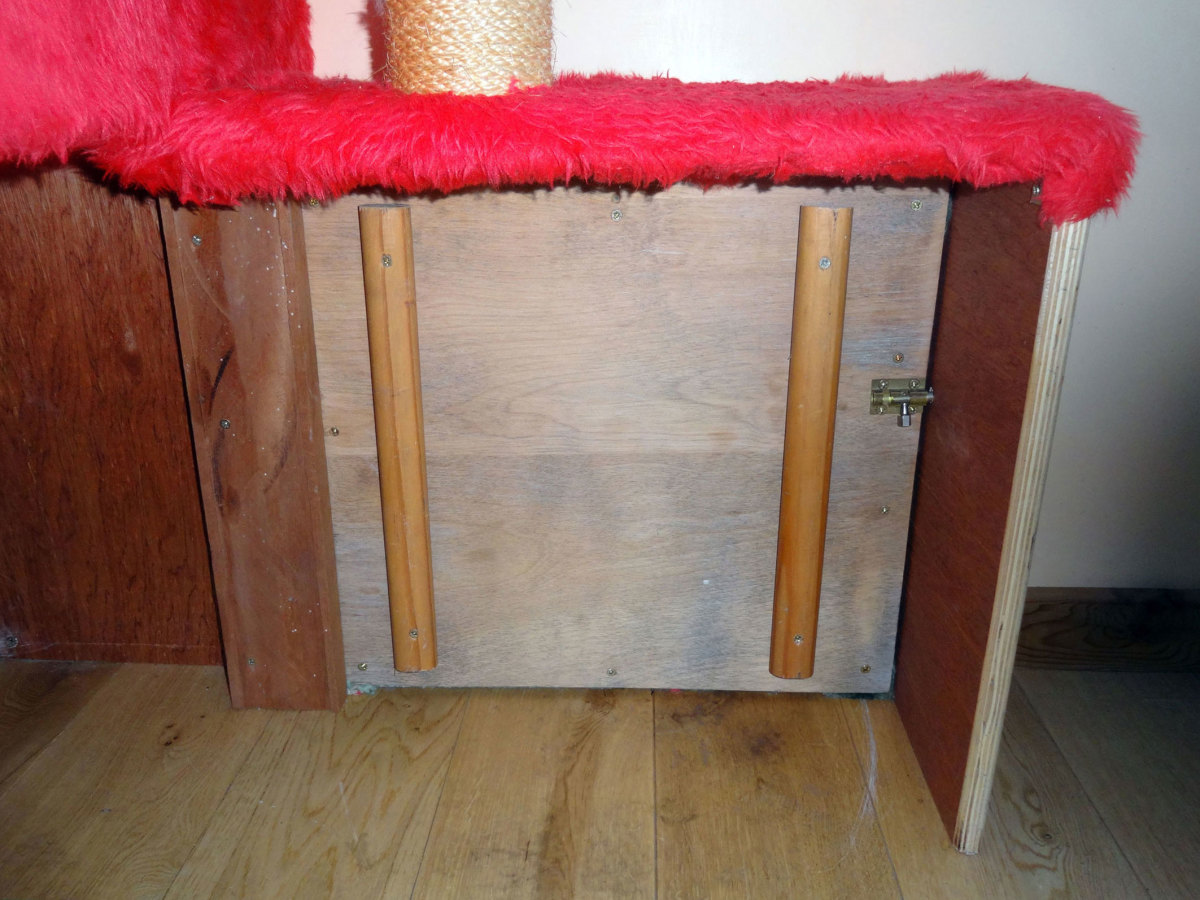
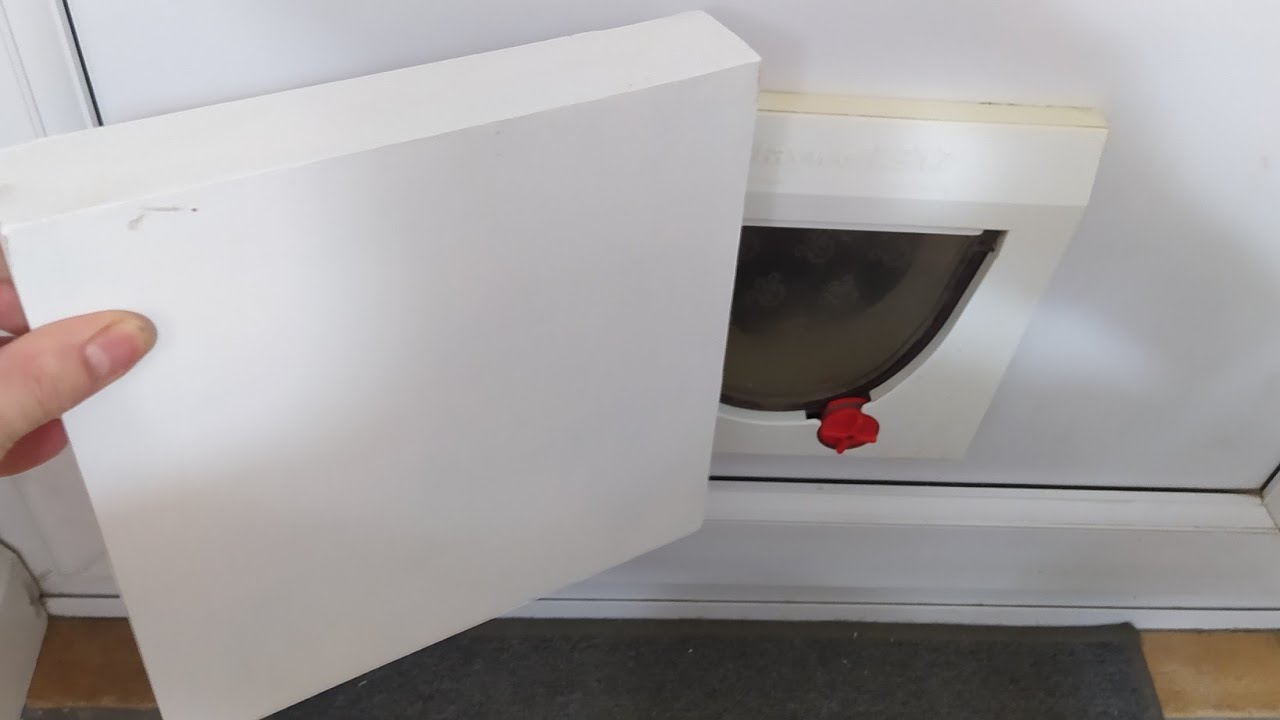
Create panels from thin plywood or plastic sheets. Add foam or bubble wrap for extra insulation. Fit panels inside the cat flap frame for a tight seal. Panels can be removed during warmer months. This solution is sturdy and effective for cold seasons.
Credit: discover.hubpages.com
Maintaining Insulation Over Time
Maintaining the insulation of your cat flap over time keeps your home warm and energy-efficient. A well-insulated cat flap stops cold air from entering. It also protects your pet from harsh weather. Regular care makes sure the insulation works well all year.
Regular Inspection
Check your cat flap every few weeks. Look for cracks or gaps around the edges. Make sure the flap closes tightly after your cat passes. Clean dirt or debris that might stop the seal from closing properly. Small problems grow if ignored.
Replacing Worn Seals
Over time, seals can wear out or break. Replace old seals quickly to keep insulation strong. Use weatherproof seals made for cat flaps. They block drafts and keep the flap snug. Replacement parts are easy to find and install.
Seasonal Adjustments
Change the insulation based on the season. In winter, add extra padding or use a flap cover to keep cold air out. In summer, remove heavy covers to allow airflow. Adjusting insulation helps your pet stay comfortable all year.
Benefits Beyond Energy Savings
Insulating a cat flap offers more than just energy savings. It creates a better environment for your pet and your home. Small changes can make a big difference for comfort and safety.
Keeping Pets Comfortable
A well-insulated cat flap keeps cold air out and warmth in. This helps your pet stay cozy, especially in winter. Pets feel safer and more relaxed with less draft. It also stops heat loss, so your pet’s resting spot stays pleasant.
Reducing Noise Pollution
Insulation blocks outside noise from entering your home. Loud sounds can scare pets and disturb your peace. A quiet home helps pets remain calm and reduces stress. Good insulation keeps sounds low and your home peaceful.
Preventing Pest Entry
Insulated cat flaps close gaps where pests can enter. Small rodents and insects often come through unprotected openings. Proper sealing stops unwanted visitors from getting inside. This protects your home and keeps pets safe from pests.
Credit: www.youtube.com
Frequently Asked Questions
How Do I Stop Cold Air From Coming Through A Cat Flap?
Use weatherproof seals or draft excluders around the cat flap edges. They block cold air effectively.
What Materials Work Best To Insulate A Cat Flap?
Foam strips, rubber seals, and plastic covers help keep warmth inside and cold out.
Can I Add Insulation Without Removing The Existing Cat Flap?
Yes, stick-on foam or draft stoppers fit easily around current flaps without removal.
How Often Should Cat Flap Insulation Be Replaced?
Replace insulation once it becomes worn or damaged, usually every 1-2 years.
Does Insulating A Cat Flap Save Energy At Home?
Yes, it reduces heat loss, helping your home stay warmer and lowering heating costs.
Will Insulated Cat Flaps Keep My Pet Comfortable In Winter?
They reduce drafts and cold air, making the entry more cozy for your cat.
Conclusion
Properly insulating your cat flap keeps your home warm and saves energy. It stops cold air from coming in and helps your pet stay comfortable. Simple materials like foam or draft excluders work well and cost little. Regular checks make sure the insulation stays effective through all seasons.
A warm, cozy home benefits both you and your cat. Small steps make a big difference in comfort and savings. Try insulating your cat flap today for a better living space.
As an Amazon Associate, I earn from qualifying purchases.