Are you tired of finding your favorite plants chewed up and scattered around your home? You love your cat, but their curiosity about your greenery can be frustrating.
You’re not alone, and the good news is there are simple, effective ways to keep your cat from turning your plants into a snack. You’ll discover easy tips that protect your plants while keeping your furry friend safe and happy.
Keep reading to learn how to create a peaceful home where both your cat and your plants can thrive.
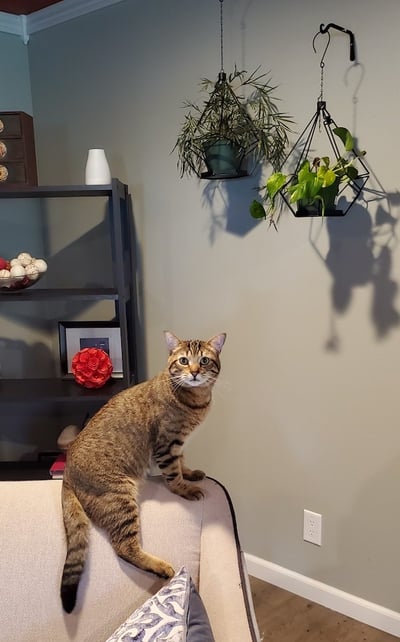
Credit: www.preventivevet.com
Why Cats Eat Plants
Cats eating plants can confuse many pet owners. Understanding why cats nibble on greenery helps solve this issue. Cats show this behavior for several natural reasons. Knowing these reasons makes it easier to protect your plants and keep your cat happy.
Natural Curiosity And Instincts
Cats are curious by nature. They explore their world using all senses. Plants catch their attention because of texture and smell. Chewing plants mimics hunting and foraging instincts. This behavior is normal and part of their survival skills.
Dietary Needs And Fiber
Plants provide extra fiber in a cat’s diet. Cats need fiber to help digestion and reduce hairballs. Eating plants can help move food through their digestive system. Sometimes cats eat plants to relieve stomach upset. This is a natural way to balance their diet.
Boredom And Attention Seeking
Cats may eat plants when they feel bored. Lack of play or stimulation leads to this habit. Chewing plants also gets attention from owners. Cats want interaction and may use plants to get it. Providing toys and playtime can reduce this behavior.
Safe Plants For Cats
Choosing safe plants for your home helps protect your cat and your greenery. Some plants can harm cats if chewed or eaten. Planting non-toxic options lets your cat explore without danger. It also keeps your plants intact and healthy.
Non-toxic Plant Options
Many plants are safe for cats and easy to grow indoors. Spider plants, Boston ferns, and bamboo palms are popular choices. These plants do not cause harm if your cat nibbles on them. Peace lilies and aloe vera, though common, can be toxic. Always check if a plant is safe before bringing it home.
Cat Grass And Catnip Benefits
Cat grass is a great alternative for cats who love to chew plants. It helps digestion and provides fiber. Catnip excites cats and encourages them to play. Both cat grass and catnip satisfy your cat’s urge to chew. These plants keep cats happy and reduce damage to other plants.
Deterring Cats From Plants
Cats love to explore and nibble on plants. This can harm your green friends and upset your cat’s stomach. Finding ways to keep cats away from plants is important. You can try natural methods, use barriers, or scents cats dislike. These options help protect your plants and keep your cat safe.
Using Natural Repellents
Natural repellents are safe and easy to use. Citrus peels, like orange or lemon, can keep cats away. Cats dislike the smell of citrus. Sprinkle coffee grounds or cayenne pepper around your plants. These create a scent barrier that cats avoid. You can also grow plants cats hate, such as rosemary or lavender. These plants protect your other greenery naturally.
Physical Barriers And Placement
Physical barriers stop cats from reaching your plants. Use decorative rocks or mesh around the soil. This makes digging hard and less fun for cats. Place plants on high shelves or hang them. Cats find it difficult to jump or climb to these spots. Keep plants in rooms where your cat spends less time. Changing plant placement reduces cat visits.
Sprays And Scents Cats Avoid
Sprays can deter cats without harm. Use water sprays to gently discourage your cat from plant areas. Commercial cat repellents often use scents cats dislike. These include vinegar, eucalyptus, or citronella. Spray these around your plants but not on them. The strong smell keeps cats away while keeping plants safe.

Credit: www.wikihow.com
Providing Alternatives
Providing alternatives helps keep cats away from your plants. Cats often chew plants out of boredom or curiosity. Giving them other options can satisfy these urges safely. This prevents damage to your plants and keeps your cat happy.
Interactive Toys And Playtime
Interactive toys keep cats busy and active. Toys with feathers, bells, or moving parts catch their attention. Playtime with you also reduces their need to explore plants. Regular play helps burn energy and lowers boredom. It creates a bond and makes your cat less likely to chew plants.
Designated Cat-friendly Areas
Create spots just for your cat to explore and relax. Use cat grass or safe plants they can nibble on. Place scratching posts and cozy beds in these areas. This gives your cat a special place to enjoy without harming your home plants. Cats feel secure and less tempted to eat houseplants.
Training Techniques
Training your cat to avoid plants takes patience and care. Cats learn best through clear signals and consistent actions. Use training techniques that reward good behavior and gently discourage bad habits. This helps your cat understand what is allowed and what is not.
Positive Reinforcement
Reward your cat when it ignores the plants. Give treats or affection right after good behavior. This makes your cat want to repeat the action. Use a calm voice to praise your cat. Play with your cat near safe toys to keep it busy. Positive reinforcement builds trust and encourages learning.
Discouraging Unwanted Behavior
Stop your cat from touching plants by using gentle corrections. Clap your hands or say “no” firmly but kindly. Avoid yelling or physical punishment. Use safe deterrents like citrus peels or double-sided tape on pots. Move plants to higher or harder-to-reach places. These steps teach your cat to avoid plants without fear.
Maintaining Plant Health
Keeping your plants healthy helps stop your cat from eating them. Strong plants are less tempting to cats. They grow better and stay vibrant. Healthy plants also recover faster from any damage.
Proper Watering And Care
Water your plants the right amount. Too much water can cause root rot. Too little water makes plants weak and dry. Check the soil before watering. It should feel a little dry on top. Use a pot with good drainage to avoid water buildup. Clean dead leaves and debris to keep plants healthy. Healthy plants look fresh and are less attractive to cats.
Using Safe Fertilizers And Soil
Choose fertilizers that are safe for pets. Some fertilizers contain chemicals harmful to cats. Organic or natural fertilizers work best. Use fresh, clean soil for planting. Avoid soil with pesticides or herbicides. Good soil helps plants grow strong roots. Strong roots support healthy leaves and stems. Healthy plants are less likely to attract cats to chew on them.
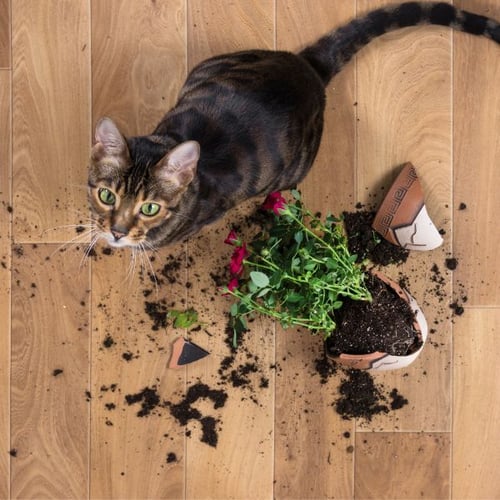
Credit: www.preventivevet.com
Frequently Asked Questions
How Can I Stop My Cat From Eating Houseplants?
Place plants where cats can’t reach or use safe deterrents like citrus scents to keep cats away.
What Plants Are Safe For Cats To Be Around?
Spider plants, Boston ferns, and bamboo palms are safe and non-toxic for cats.
Why Do Cats Like To Chew On Plants?
Cats chew plants to explore, relieve boredom, or help digestion.
Can I Train My Cat To Avoid Plants?
Yes, use gentle training with positive rewards and redirect your cat’s attention from plants.
Are There Sprays To Keep Cats Off Plants?
Yes, bitter apple or citrus sprays can deter cats from chewing plants.
What Should I Do If My Cat Eats A Toxic Plant?
Contact your vet immediately if your cat shows symptoms like vomiting or drooling.
Conclusion
Keeping your cat away from plants takes patience and care. Try placing plants where your cat cannot reach. Use safe deterrents that cats dislike. Offer your cat toys and safe greens to chew instead. Watch your cat’s behavior and adjust your approach.
Protecting your plants helps keep your home safe and happy. Small changes make a big difference over time. Your cat and plants can live together peacefully. Give it time and keep trying different ideas.
As an Amazon Associate, I earn from qualifying purchases.