If your cat needs an abdominal ultrasound, you probably have many questions—especially about how to prepare. One of the most common concerns is how long your cat should fast before the procedure.
Getting this right is crucial for clear images and accurate results. You’ll learn exactly how long to withhold food, why fasting matters, and simple tips to make the process easier for both you and your furry friend. Keep reading to ensure your cat’s ultrasound goes smoothly and gives your vet the best chance to help your pet.

Credit: www.acatclinic.us
Purpose Of Fasting
Fasting before a cat’s abdominal ultrasound is important. It helps prepare the cat’s body for the test. The main goal is to get clear images of the organs inside the belly. Food in the stomach can block the view and cause problems. This section explains why fasting matters for the ultrasound.
Impact On Ultrasound Clarity
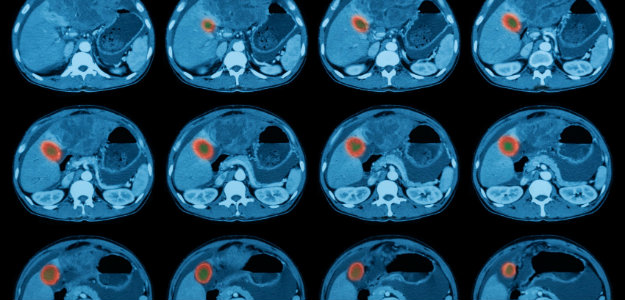
When a cat eats, the stomach fills with food and gas. These block sound waves from the ultrasound machine. The images become blurry or unclear. Clear pictures help the vet see the organs better. Fasting makes the stomach empty. This helps the ultrasound waves pass through easily. The vet can find problems faster and more accurately.
Preventing Complications
Fasting also lowers the risk of vomiting during the test. Vomiting can cause the cat to inhale food into the lungs. This is dangerous and can lead to pneumonia. An empty stomach reduces this risk. It also helps if the cat needs sedation or anesthesia. Full stomachs increase the chance of complications during these procedures.
Credit: americanhealthimaging.com
Recommended Fasting Duration
Fasting before a cat’s abdominal ultrasound helps get clear images. The stomach needs to be empty to avoid interference during the scan. The right fasting time varies but is important for accurate results. Understanding the recommended fasting duration ensures your cat’s safety and comfort.
General Guidelines
Cats usually need to fast for 8 to 12 hours before the ultrasound. Water is allowed during this time to keep them hydrated. Avoid feeding treats or snacks as they can affect the scan. This fasting period helps reduce gas and food in the stomach. Clear images help the vet check organs like the liver and kidneys.
Variations By Age And Health
Kittens and older cats may need shorter fasting times. Young cats have smaller energy reserves and get hungry fast. Older cats may have health issues needing special care. Cats with diabetes or other diseases may require a different fasting plan. Always follow the vet’s advice for these cases. Adjusting fasting time keeps your cat safe and calm.
Water Intake During Fasting
Water is very important for cats during fasting before an abdominal ultrasound. It helps keep them hydrated. Proper hydration supports better ultrasound results. It also keeps your cat comfortable while fasting.
Allowing Water
Most vets let cats drink water before the ultrasound. Water does not affect the ultrasound images. It helps prevent dehydration during the fasting period. Always provide fresh, clean water in a bowl. Make sure your cat drinks enough to stay healthy.
When To Restrict Water
Some cases require limiting water before the ultrasound. Your vet will tell you if this applies. This can happen with certain health problems. Usually, water restriction is only for a short time. Follow your vet’s instructions carefully to avoid risks.

Credit: justcatsclinic.com
Preparing Your Cat For The Procedure
Preparing your cat for an abdominal ultrasound helps make the process smooth and less stressful. Cats can feel uneasy in new situations. Taking small steps to prepare can calm your cat and improve the procedure’s success. Proper preparation also helps get clear images for the vet to see. Below are simple tips to get ready for the ultrasound.
Calming Techniques
Keep your cat calm before the appointment. Speak softly and pet them gently. Use a quiet room with few distractions. A soft blanket or favorite toy can comfort your cat. Try pheromone sprays or diffusers made for cats. These help reduce anxiety naturally. Avoid loud noises and sudden movements. Calm cats stay still longer during the ultrasound. It helps the vet get better images quickly.
Feeding Schedule Adjustments
Your cat needs to fast before the ultrasound. Usually, fasting means no food for 8 to 12 hours. Water can be given until the appointment time. This empties the stomach for clearer ultrasound pictures. Follow the vet’s exact fasting instructions carefully. Feed your cat a small meal the night before. Do not give treats or snacks before the test. Proper fasting helps the vet see organs without obstruction. It also lowers the chance of vomiting during the procedure.
Risks Of Improper Fasting
Fasting before a cat’s abdominal ultrasound is important. Doing it wrong can cause problems. These risks affect the test and your cat’s health. Understanding them helps keep your cat safe and the results clear.
Effect On Ultrasound Results
Food in the stomach can block the ultrasound waves. This makes images blurry or unclear. Vets might miss important signs or get wrong results. A full stomach can hide issues in organs like the liver or intestines. Proper fasting gives a clear view for accurate diagnosis.
Health Risks For The Cat
Fasting too long can make your cat weak or dehydrated. Cats, especially young or sick ones, need regular food to stay strong. Not fasting enough can cause nausea or vomiting during the test. Stress from improper fasting can also harm your cat’s well-being. Follow vet instructions to keep your cat safe and comfortable.
Veterinary Recommendations
Veterinary recommendations guide the fasting process before a cat’s abdominal ultrasound. Vets ensure the best results by advising the correct fasting time. This helps the ultrasound images to be clear and accurate. It also keeps your cat safe and comfortable during the procedure.
Consulting Your Vet
Talk to your vet before the ultrasound appointment. They know your cat’s health history and needs. Your vet will tell you exactly how long to fast your cat. This time usually ranges from 8 to 12 hours. The vet’s advice helps avoid complications during the scan. Never stop feeding your cat without professional guidance.
Tailoring Fasting To Individual Cats
Each cat is different. Some cats have medical conditions that change fasting rules. Kittens or elderly cats may need shorter fasting times. Your vet adjusts fasting instructions based on age and health. This approach protects your cat’s well-being. Follow the vet’s tailored plan carefully to prepare your cat properly.
Frequently Asked Questions
How Long Should A Cat Fast Before An Abdominal Ultrasound?
Cats should fast for 8 to 12 hours before an abdominal ultrasound to get clear images.
Why Is Fasting Necessary Before A Cat’s Ultrasound?
Fasting reduces stomach content, which helps the vet see organs more clearly during the scan.
Can Water Be Given To Cats During Fasting?
Yes, cats can drink water during the fasting period to stay hydrated.
What Happens If A Cat Eats Before The Ultrasound?
Food can cause gas and block the ultrasound view, making it hard to see organs.
Should Medication Be Given To Cats During Fasting?
Always ask your vet about medication; some medicines might need to be given with food.
How To Prepare A Cat For An Ultrasound At Home?
Keep your cat calm, withhold food for 8-12 hours, but allow water until the appointment.
Conclusion
Cats usually need to fast for about 8 to 12 hours before an abdominal ultrasound. This helps get clear images for the vet to see inside. Water should stay available to keep your cat calm and hydrated. Avoid feeding treats or snacks during this time to prevent wrong results.
Always follow your vet’s exact instructions for fasting. Proper preparation helps the ultrasound go smoothly and gives better health answers. Keep your cat comfortable and safe before the test. This simple step makes a big difference in care quality.
As an Amazon Associate, I earn from qualifying purchases.