Are you wondering how young you can spay or neuter your cat? It’s a question many cat owners ask because you want what’s best for your furry friend.
Knowing the right age to do this can help keep your cat healthy and happy for years to come. You’ll discover the ideal time to spay or neuter your cat and why acting at the right moment makes a big difference.
Keep reading to learn how to give your cat the best start in life.
Credit: www.banfield.com
Ideal Age For Spaying Or Neutering
Choosing the right time to spay or neuter a cat is important for their health and behavior. This decision affects their growth, recovery, and long-term wellbeing. Veterinarians often recommend specific ages based on research and experience. Understanding these options helps pet owners make the best choice for their cats.
Early Age Procedures
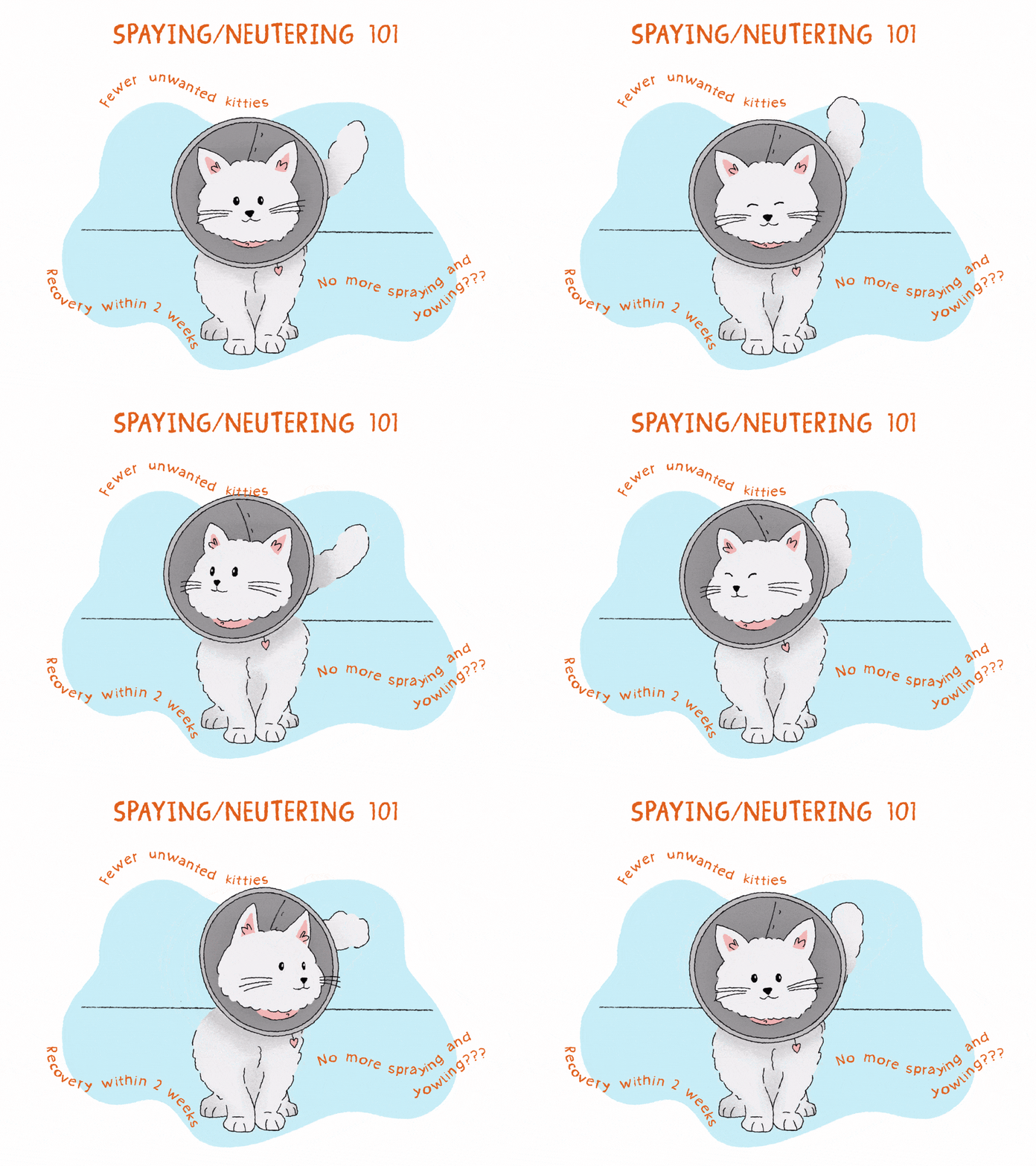
Many vets perform spaying or neutering as early as 8 weeks old. This is called early age or pediatric surgery. Kittens at this age usually weigh at least 2 pounds. Early surgery can reduce the risk of unwanted litters. It also helps control pet overpopulation. Recovery is often quick because young kittens heal fast.
Traditional Timing
Traditionally, spaying or neutering happens between 5 and 6 months of age. This is before cats reach full sexual maturity. Most cats go into heat or start marking territory around this age. Surgery before these behaviors develop can prevent problems. This timing also allows the cat to grow stronger before surgery.
Factors Influencing Timing
Several things affect the best age to spay or neuter a cat. Breed and size play a role. Larger breeds may benefit from waiting a little longer. Health status is also important. Cats with health issues might need special care or delayed surgery. Owner lifestyle and local laws can influence timing too. Discussing options with your vet ensures the safest plan.
Credit: www.fallsroad.com
Benefits Of Early Spaying And Neutering
Spaying or neutering a cat at a young age offers many benefits. It helps keep your cat healthy and well-behaved. Early surgery also supports efforts to reduce stray cat populations. Understanding these benefits can help you decide the best time for this important procedure.
Health Advantages
Early spaying or neutering lowers the risk of serious illnesses. It prevents uterine infections and certain cancers in female cats. Male cats avoid testicular cancer and prostate problems. Surgery before maturity often means quicker recovery and fewer complications.
Behavioral Improvements
Young cats spayed or neutered show calmer behavior. They are less likely to spray or mark territory. Aggressive tendencies usually decrease after the surgery. These cats tend to roam less, reducing the chance of accidents or fights.
Population Control
Early spaying and neutering help control stray cat numbers. It stops unwanted litters before they start. This reduces the burden on animal shelters and rescues. Fewer homeless cats mean healthier communities and less suffering.
Risks And Considerations
Spaying or neutering cats at a young age has many benefits, but there are risks to consider. Understanding these risks helps pet owners make smart choices. Cats under 8 weeks old can face different challenges than older cats. Knowing about health concerns, surgery risks, and recovery issues is important.
Potential Health Concerns
Young kittens have smaller bodies and organs. This makes surgery more delicate. Their immune system is still growing. This can increase chances of infection. Some kittens may not be strong enough for anesthesia. There is also a risk of low blood sugar during surgery. Monitoring is very important before and after the operation.
Surgical Risks
Surgery on very young cats requires skilled vets. Small blood vessels can be harder to handle. The chance of bleeding is higher. Anesthesia doses must be exact to avoid harm. Mistakes may lead to serious complications. Choosing a vet with experience in early spay or neuter is vital.
Recovery Challenges
Kittens heal quickly but need extra care. They can become cold or weak after surgery. Keeping them warm and calm is key. Young cats may not eat or drink well right away. Owners must watch for signs of pain or infection. Proper rest and monitoring help ensure smooth recovery.
Preparation Before Surgery
Preparing your cat before spaying or neutering surgery is very important. It helps keep your cat safe and calm. The right steps make the surgery go smoothly. You will feel more confident too. Read the key points below to get ready well.
Pre-surgical Checkup
The vet will examine your cat carefully. They check the cat’s weight, temperature, and overall health. This exam finds any problems that might cause issues during surgery. Your cat may need blood tests to ensure safety. The vet will explain what to expect during the operation.
Fasting Guidelines
Your cat should not eat for several hours before surgery. Usually, no food after midnight works best. Water may be allowed up to a few hours before. Fasting reduces the risk of vomiting under anesthesia. Follow the vet’s exact instructions on fasting times.
Home Preparation
Set up a quiet, warm space for your cat to rest after surgery. Remove any toys or objects that could cause harm. Have soft bedding ready for comfort. Keep your cat indoors to avoid infections. Prepare to watch your cat closely for any signs of trouble.
Post-operative Care
Post-operative care is very important after spaying or neutering a young cat. It helps the cat heal quickly and avoid problems. Careful attention during this time ensures the cat stays safe and comfortable. Every owner should know what to do during recovery.
Monitoring Recovery
Check the cat often for any changes in behavior or health. Watch for swelling, redness, or bleeding near the surgery site. The cat may be sleepy or less active, which is normal at first. Keep the cat indoors and in a quiet place. Limit jumping or running to protect the stitches.
Pain Management
The vet usually gives medicine to ease pain after surgery. Follow the vet’s instructions carefully. Do not give any human medicine to the cat. Signs of pain include crying, hiding, or not eating. Contact the vet if the cat seems very uncomfortable or restless.
Preventing Complications
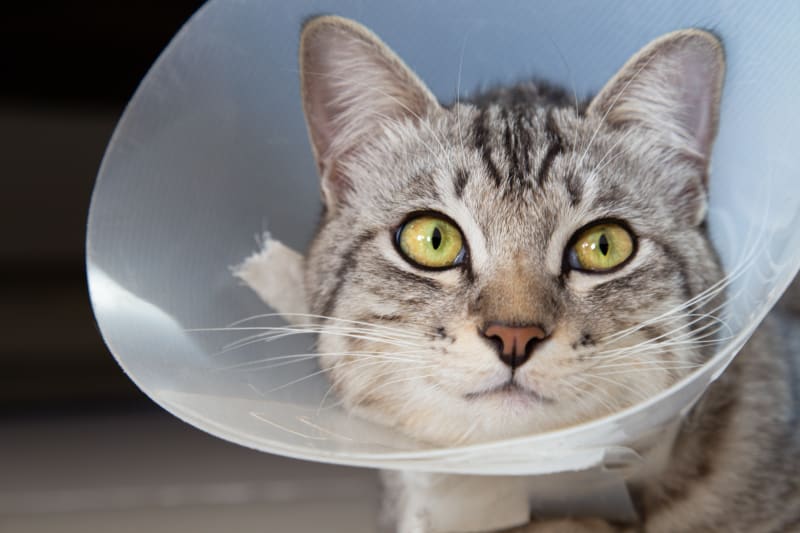
Keep the cat from licking or biting the surgery area. Use a cone or collar if needed. Keep the surgery site clean and dry. Avoid baths until the vet says it is safe. Watch for signs of infection, such as bad smell or pus. Call the vet immediately if any problems appear.
Alternatives To Traditional Spay/neuter
Spaying or neutering cats is a common choice to control the pet population. Some pet owners want to explore other options. Alternatives to traditional spay/neuter may suit certain cats or situations. These options can offer different benefits and challenges. Understanding them helps make a better decision for your cat’s health and lifestyle.
Non-surgical Options
Non-surgical choices include hormone injections or implants. These methods prevent pregnancy without surgery. They work by stopping heat cycles or fertility temporarily. This option may suit cats that cannot undergo surgery due to health risks. The effects usually last a few months to a year. Repeat treatments are needed for ongoing control. Non-surgical options do not remove the risk of some diseases. Discuss risks and benefits with your vet before deciding.
Delayed Procedures
Some pet owners choose to delay spay or neuter. Waiting lets the cat grow stronger or reach a certain age. This can reduce surgery risks for very young kittens. Delayed spay/neuter may also allow natural development for a short time. Yet, waiting increases the chance of unwanted litters. It also can lead to behavior problems linked to hormones. A vet can help decide the best timing for your cat. Planning ahead prevents surprises and keeps your cat safe.
Common Myths And Facts
Many pet owners hesitate about spaying or neutering their cats early. Myths about the risks and benefits create confusion. Understanding facts helps make smart decisions. Clearing up false ideas supports cat health and well-being.
Misconceptions About Early Surgery
Some believe early surgery harms a kitten’s growth. Others think it causes behavior problems or health issues. Many worry anesthesia is unsafe for young cats. These ideas often come from outdated information.
People also think cats must be older to heal well. Or that early surgery stops natural development. These misconceptions can delay important procedures. Delay increases risks of unwanted litters and health problems.
Scientific Evidence
Studies show early spaying and neutering is safe for kittens as young as eight weeks. Research finds no link between early surgery and growth problems. Kittens recover quickly with proper care.
Early surgery reduces risks of cancers and infections. It also lowers aggressive and territorial behaviors. Vets recommend early spay or neuter to improve long-term health and behavior. Science supports early surgery as both safe and beneficial.

Credit: neslihandolar.com
Finding A Qualified Veterinarian
Finding a qualified veterinarian is key to safe and successful spaying or neutering. The vet’s skills and experience matter a lot. A good vet ensures your cat receives the best care during and after surgery. Trust and comfort with the vet also help reduce stress for your pet.
Choosing The Right Clinic
Choose a clinic that specializes in cat care. Check if they offer spay and neuter services for young cats. The clinic should be clean and well-organized. Staff should be friendly and ready to answer your questions. Look for clinics with good reviews and a strong reputation. Facilities with proper surgical equipment and emergency care are best.
Questions To Ask
Ask about the vet’s experience with young cats. How many spay or neuter surgeries do they perform weekly? What anesthesia do they use for kittens? Inquire about pain management after surgery. Ask about risks and how they handle emergencies. Find out about post-surgery care and follow-up visits. Clear answers help you feel confident in the vet’s care.
Frequently Asked Questions
How Young Can A Kitten Be Spayed Or Neutered?
Kittens can be spayed or neutered as early as 8 weeks old if they weigh at least 2 pounds.
Is Early Spaying Or Neutering Safe For Kittens?
Yes, early spaying or neutering is generally safe and has low risk when done by vets.
What Benefits Come From Spaying Or Neutering Young Cats?
It prevents unwanted litters, reduces health risks, and helps control pet overpopulation.
Can Spaying Or Neutering Affect A Kitten’s Growth?
No, early spaying or neutering does not stunt growth or cause long-term health issues.
How Does Early Spaying Help Control Cat Behavior?
It reduces spraying, marking, and roaming behaviors linked to mating instincts in cats.
When Should You Schedule A Vet Visit For Kitten Spaying?
Plan the surgery around 8 to 16 weeks of age during a regular vet checkup.
Conclusion
Spaying or neutering cats early helps keep them healthy and calm. Vets often suggest doing this at about eight weeks old. Early surgery can stop unwanted litters and reduce health risks. It also helps cats live longer, happier lives. Talk to your vet to choose the best time for your cat.
Taking action early benefits both pets and owners. A small step for you means a big difference for your cat’s future.
As an Amazon Associate, I earn from qualifying purchases.