If your cat has just been dewormed, you’re probably wondering how long it will take before the worms are completely gone. You want to see your furry friend healthy and happy again, without worrying about those unwanted parasites.
Understanding the timeline after deworming helps you know what to expect and when to take action if needed. Keep reading to find out exactly how long it takes for the worms to disappear and what signs to watch for during the process.
This information will give you peace of mind and help you care for your cat the right way.

Credit: rexipets.com
Types Of Cat Worms
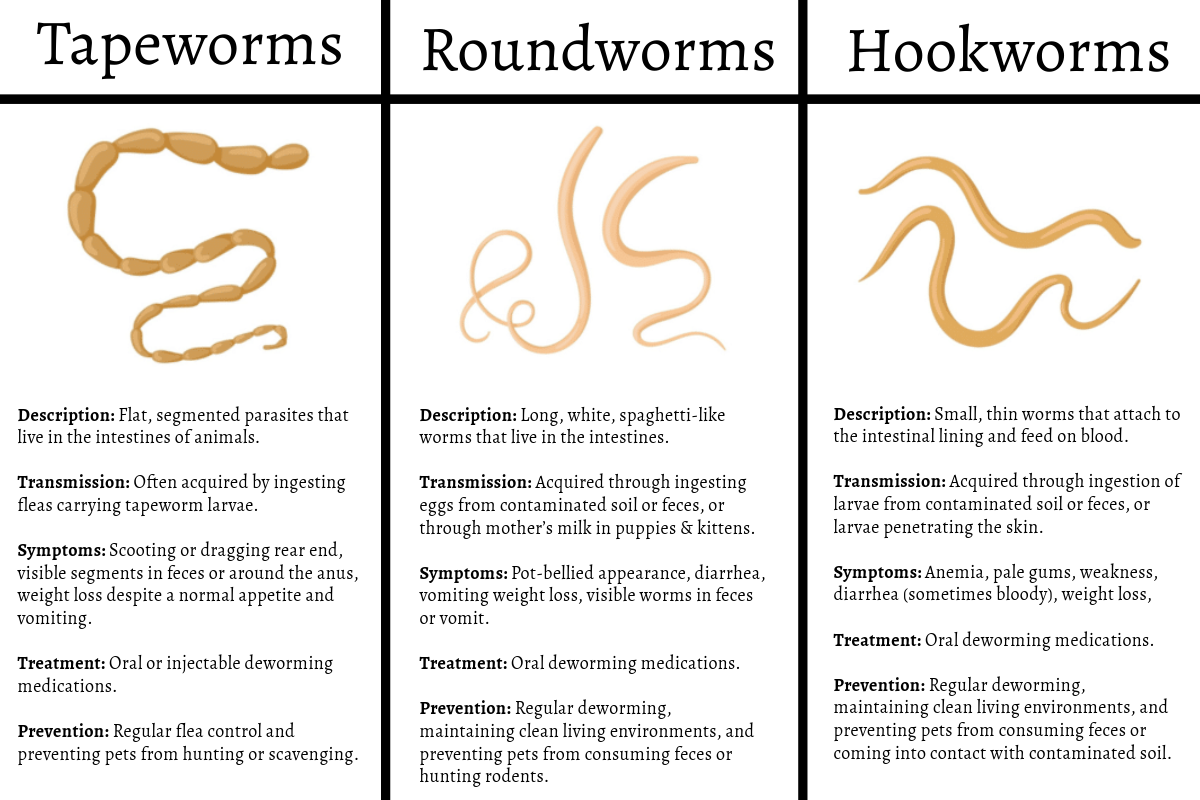
Cats can get different types of worms. These worms live inside their bodies. Most worms affect the cat’s stomach and intestines. Knowing the types helps you understand the problem better. It also guides treatment and care.
Common Intestinal Worms
Roundworms are the most common type found in cats. They look like small spaghetti strands. Hookworms are tiny and attach to the cat’s intestines. Tapeworms are flat and can be seen near the cat’s rear. Whipworms are less common but still harmful. Each worm type causes different health problems.
Signs Of Worm Infestation
Worms can make cats weak and tired. You may see weight loss even with good eating. The cat might have a bloated belly or a dull coat. Vomiting and diarrhea are common signs. Sometimes, worms appear in the stool or around the cat’s bottom. Early detection helps avoid serious health issues.
Credit: vets24.ae
How Deworming Works
Deworming a cat removes harmful parasites living inside its body. These worms can cause health problems. The process uses medicines that kill the worms quickly. Understanding how deworming works helps pet owners care better for their cats.
Medications Used
Vets choose specific drugs based on worm types. Common medicines include praziquantel, fenbendazole, and pyrantel. These drugs attack worms directly. They stop worms from growing or cause them to die. Some medicines work fast, others take a few days.
Treatment Methods
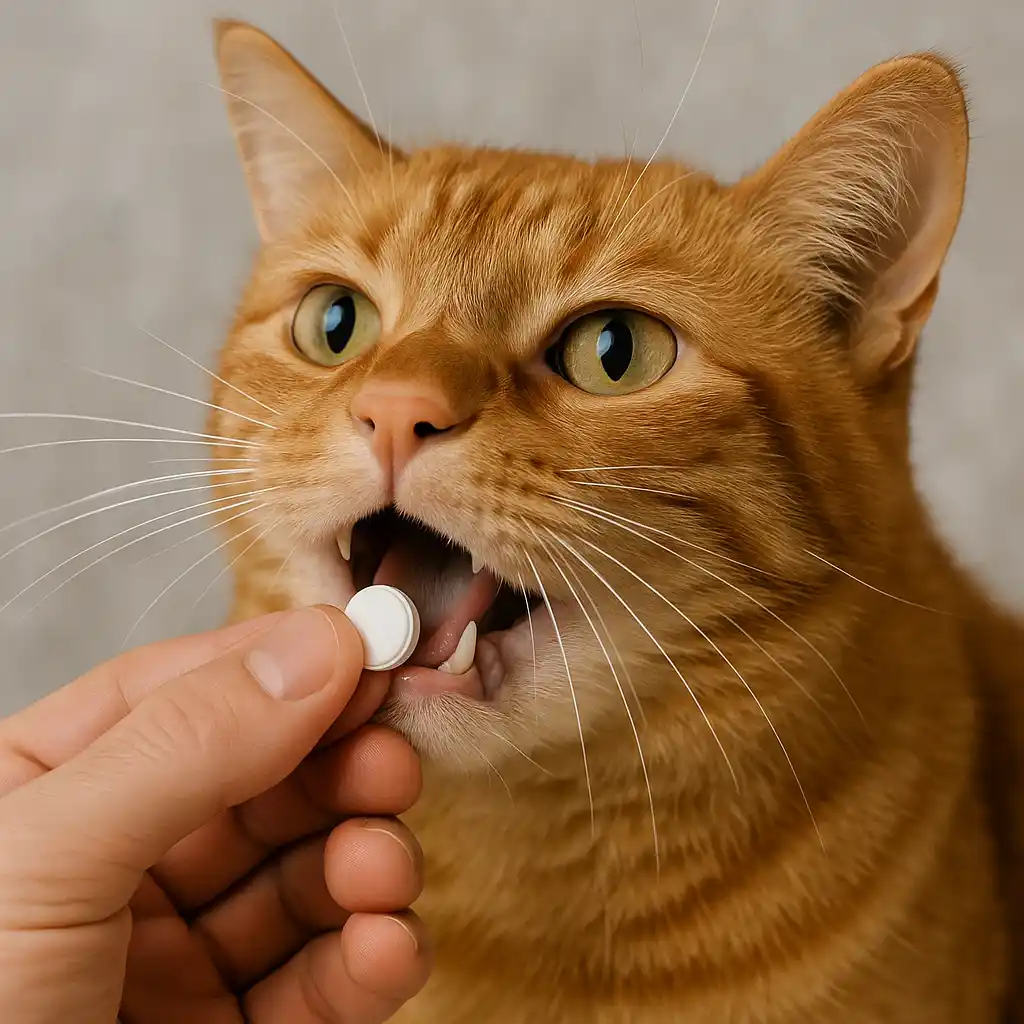
Deworming comes in pills, liquids, or injections. Owners often give medicine orally, mixed with food. Some treatments require one dose; others need repeats. The goal is to clear all worms from the cat’s system. Vet advice ensures the right method and timing.
Timeline For Worm Clearance
The timeline for worm clearance after deworming your cat varies. Knowing when to expect results helps you track your cat’s recovery. It also guides you on when to seek a vet’s advice. Understanding the process keeps you informed and prepared.
When To Expect Results
Worms usually start to clear within 24 to 48 hours after deworming. You may see dead worms in your cat’s stool during this time. Complete clearance can take up to two weeks, depending on the type of worms. Some worms need a second dose for full removal. Watch your cat’s behavior and stool for changes.
Factors Affecting Speed
Type of worm affects how fast they disappear. Roundworms clear quicker than tapeworms. Your cat’s age and health play a role too. Young or sick cats may take longer to clear worms. The type of dewormer also matters. Some medicines work faster and cover more worm types. Regular vet check-ups ensure the treatment is working well.
Credit: www.lombardvet.com
Post-treatment Care
After deworming your cat, proper care is very important. It helps ensure the worms leave completely. Good care also supports your cat’s health during recovery. This section explains how to monitor your cat and stop worms from coming back.
Monitoring Your Cat
Watch your cat closely after treatment. Check for any signs of worms in stool. Look for vomiting, diarrhea, or weight loss. These symptoms may mean worms are still present. Keep track of your cat’s eating and energy levels. Contact your vet if you notice any problems. Follow the vet’s advice for follow-up treatment if needed.
Preventing Reinfestation
Clean your cat’s living area regularly. Remove feces promptly to stop worm eggs from spreading. Use fresh litter and wash bedding often. Keep your cat indoors to reduce exposure to infected animals. Avoid letting your cat hunt or eat raw meat. Regular vet check-ups help catch worms early. Use preventive medicines as recommended by your vet.
When To Consult A Vet Again
Knowing when to consult a vet after deworming your cat is very important. Some signs show the treatment worked. Others may mean the worms are still there. Watching your cat closely can help you decide the next steps.
Persistent Worm Symptoms
Watch for signs like vomiting, diarrhea, or weight loss. Worms may still be causing problems. If your cat looks tired or has a swollen belly, these can be warning signs. Worms should clear up in a few days after deworming. If symptoms continue beyond one week, see the vet again.
Follow-up Treatments
Sometimes one deworming dose is not enough. The vet may suggest a second treatment to kill leftover worms. Follow-up treatments help stop the worms from coming back. Your vet will tell you the best time for another dose. Never give extra medicine without advice. This keeps your cat safe and healthy.
Frequently Asked Questions
How Soon Do Worms Die After Deworming A Cat?
Worms usually die within 24 to 48 hours after deworming treatment starts.
When Will I Stop Seeing Worms In My Cat’s Stool?
Worms may still appear for a few days but usually stop within one week.
Can Worms Return Soon After Deworming A Cat?
Yes, reinfection can happen if the environment or food is contaminated.
How To Know If Deworming Worked On My Cat?
Look for no worms in stool and improved appetite and energy levels.
Is It Normal For Worms To Appear After Deworming?
Some worms may pass out after treatment; this is normal and temporary.
How Often Should Cats Be Dewormed To Stay Worm-free?
Cats should be dewormed every 3 to 6 months to prevent worms.
Conclusion
Most cats show fewer worms within a few days after deworming. The medicine works quickly to kill the parasites inside your pet. You may still see some worms for up to a week. This happens because the dead worms leave the body.
Keeping your cat’s environment clean helps stop reinfection. Regular check-ups with the vet keep your cat healthy. Watch for any signs of worms and act fast. Your cat will feel better soon after treatment. Patience and care are key to a worm-free cat.
As an Amazon Associate, I earn from qualifying purchases.