Has your cat suddenly disappeared into a hiding spot, leaving you worried and unsure how to bring them out? You’re not alone.
Cats often hide when they feel scared, stressed, or unwell, and getting them to come out can be tricky. But don’t worry—there are simple, effective ways you can gently coax your furry friend back into the open. You’ll discover easy steps to help your cat feel safe and comfortable enough to come out from hiding.
Keep reading, and you’ll learn how to turn this stressful moment into a calm, positive experience for both you and your cat.

Credit: us.feliway.com
Why Cats Hide
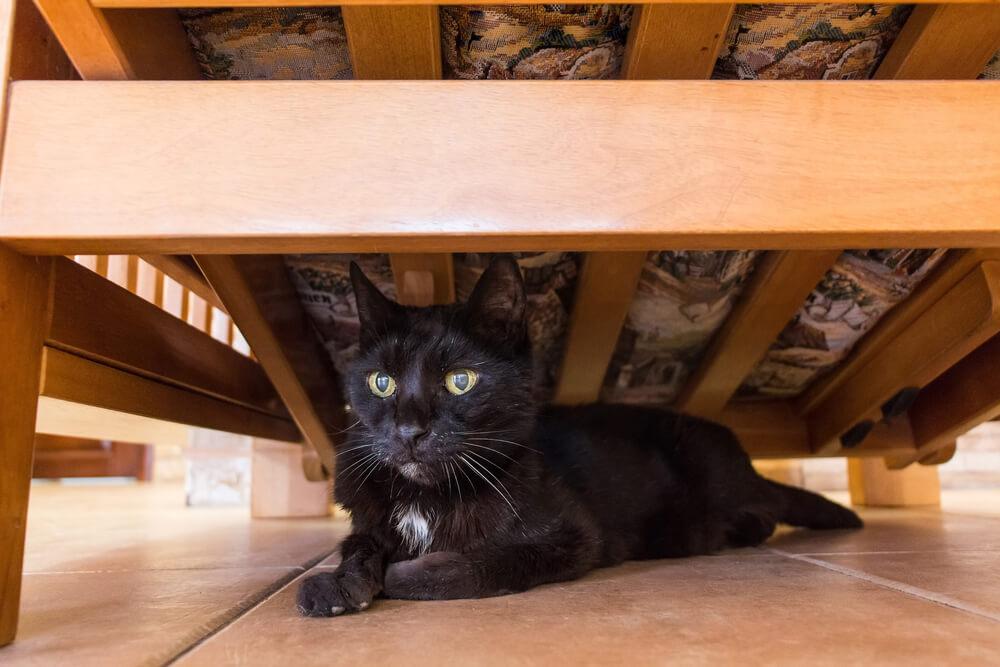
Cats often hide to feel safe. Hiding is a natural way for cats to protect themselves. It helps them avoid danger and reduce stress. Understanding why cats hide can help you support them better. You can learn what makes your cat feel calm and secure.
Common Reasons For Hiding
Cats hide for many reasons. Sometimes, they feel scared. Loud noises or new people can cause fear. Other times, they hide when they are sick or hurt. Cats may also hide if they feel lonely. New places or changes at home can make cats seek quiet spots. Hiding helps them rest and feel safe.
Signs Your Cat Is Stressed
Stress makes cats hide more often. Watch for changes in behavior. Your cat may eat less or groom too much. It might hiss or growl without reason. Cats can also become very quiet or restless. If your cat hides and shows these signs, it may be stressed. Helping your cat feel safe will lower their stress.
Credit: us.feliway.com
Creating A Safe Space
Creating a safe space helps your cat feel calm and secure. Cats hide because they feel scared or unsure. Giving them a quiet, cozy place encourages them to come out. This space should be peaceful and comforting. It needs to be easy for your cat to access and hard for noise to reach. A safe space builds trust and helps your cat relax.
Choosing A Quiet Spot
Pick a spot in your home that is calm and quiet. Avoid busy areas with loud noises or lots of people. A corner in a bedroom or a quiet hallway works well. Make sure the spot is away from loud machines or sudden sounds. This helps your cat feel safe and less stressed. Keep the area low-traffic so your cat won’t be disturbed.
Providing Comfortable Bedding
Soft bedding invites your cat to rest and feel secure. Use blankets or small cushions that are warm and cozy. Place the bedding inside a box or a small pet bed. Cats like snug spaces that feel like a den. Wash the bedding often to keep it clean and fresh. Comfortable bedding makes your safe space more appealing.
Using Food To Lure Your Cat
Using food to lure your cat out of hiding is a gentle and effective method. Cats respond well to the smell and taste of their favorite foods. This method builds trust and encourages your cat to come closer. Patience is key, as your cat needs time to feel safe enough to leave its hiding spot.
Offering Favorite Treats
Choose treats your cat loves the most. Strong-smelling treats work best to attract your cat’s attention. Place small amounts near the hiding spot. Move the treats slowly farther away each time. This encourages your cat to come out step by step. Avoid sudden movements or loud noises while offering treats.
Establishing A Feeding Routine
Feed your cat at the same times every day. Cats feel more secure with a regular schedule. Put the food bowl in a quiet, safe place near the hiding spot. Over time, your cat will associate this area with food and safety. Consistency helps your cat build confidence to explore outside hiding.
Encouraging Interaction
Encouraging your cat to come out of hiding takes patience and care. Cats feel safe when they control the interaction. They need gentle encouragement, not force. Small steps help build trust and curiosity.
Try to create moments your cat enjoys. Use toys and calm voices. These actions invite your cat to join you. The goal is to make your presence pleasant and interesting.
Playing With Toys
Toys catch a cat’s attention and spark curiosity. Use feather wands or small balls to entice your cat. Move toys slowly near the hiding spot. Let your cat see the fun without pressure.
Play shows your cat you mean no harm. It helps your cat feel safe and excited. Keep sessions short and gentle. Stop if your cat looks scared or tired.
Gentle Voice And Movements
Speak softly to your cat. Use calm and soothing tones. Loud or sharp sounds scare shy cats. Move slowly and avoid sudden actions. Sudden moves can make your cat retreat further.
Patience shows your cat you respect its space. Sit quietly nearby and let your cat watch you. Over time, your cat may come closer on its own.
Avoiding Common Mistakes
Helping a cat come out of hiding takes patience and care. Many people make mistakes that scare the cat more. Avoiding these errors helps your cat feel safe and trust you. Here are some common mistakes to avoid.
Not Forcing The Cat Out
Forcing a cat to leave hiding can cause fear and stress. Cats hide to feel safe, so pulling or chasing them makes things worse. Let the cat come out on its own time. Use soft, calm voices and gentle movements. Patience is key. Give the cat space to explore slowly and feel secure.
Limiting Loud Noises And Sudden Actions
Loud noises and fast movements frighten hiding cats. Avoid yelling, clapping, or sudden sounds near the cat. Turn off noisy devices or music. Move slowly and calmly around the cat’s hiding spot. Quiet surroundings help the cat relax. A calm environment invites the cat to come out and explore.
When To Seek Help
Knowing when to seek help is important if your cat hides for a long time. Hiding can be a sign of stress or illness. Acting quickly can keep your cat safe and healthy. Watch your cat closely for any changes in behavior or health. If you notice worrying signs, do not wait to get help.
Signs Of Illness Or Injury
Look for signs like limping, loss of appetite, or vomiting. Breathing problems or unusual hiding spots also matter. Your cat may be in pain or feeling sick. Sudden changes in behavior can mean something is wrong. Do not ignore these signs. They need attention from a professional.
Consulting A Veterinarian Or Behaviorist
Veterinarians check your cat’s health and treat any illness. Behaviorists help if your cat hides because of stress or fear. They offer advice on how to make your cat feel safe. Seeking expert help early can improve your cat’s comfort. Trust their guidance to bring your cat out of hiding.

Credit: www.wikihow.com
Frequently Asked Questions
How Can I Safely Encourage My Cat To Leave Hiding?
Use soft voice and gentle movements. Offer favorite treats nearby to lure them out gently.
Why Does My Cat Hide And Avoid People?
Cats hide when scared, sick, or stressed. It’s their way to feel safe and secure.
What Are The Best Treats To Attract A Hiding Cat?
Use smelly, tasty treats like tuna or chicken. Strong scents catch their attention better.
How Long Should I Wait For My Cat To Come Out?
Patience is key. Wait quietly for several minutes without rushing or forcing them out.
Can Playing Help My Cat Come Out From Hiding?
Yes, toys like feathers or laser pointers can catch their interest and encourage movement.
Should I Check For Health Issues If My Cat Hides Often?
Frequent hiding may signal illness. A vet check is wise to rule out health problems.
Conclusion
Getting a cat to come out from hiding takes patience and kindness. Give your cat space and time to feel safe. Use gentle voices and soft movements to gain trust. Offer favorite treats or toys nearby. Avoid sudden noises or actions that scare your pet.
Over days, your cat will feel more comfortable. Small steps lead to big progress. Your calm and caring approach helps your cat feel at home again. Keep trying, and enjoy the moments when your cat finally comes out.
As an Amazon Associate, I earn from qualifying purchases.