Do you want to enjoy your yard without worrying about your cat wandering off? Keeping your cat safely within your yard can feel like a challenge.
But with the right tips and tricks, you can create a space where your furry friend loves to stay close to you. Imagine relaxing outside while your cat explores safely nearby, free from danger and stress. You’ll discover simple, effective ways to keep your cat in your yard—making your outdoor time more peaceful and enjoyable for both of you.
Keep reading to learn how to turn your yard into your cat’s favorite spot!
Create A Cat-friendly Yard
Creating a cat-friendly yard helps keep your cat safe and happy outside. Cats enjoy exploring but need spots to feel secure. Your yard can become a perfect place for your cat to roam freely.
Safe Hiding Spots
Cats need places to hide and rest. Create small shelters using boxes, tunnels, or covered areas. These spots give your cat a break from the sun or noise. Safe hiding spots reduce stress and make your yard inviting.
Access To Fresh Water
Fresh water is important for your cat’s health outdoors. Place clean water bowls in shaded areas. Change the water daily to keep it fresh. Cats will stay longer in your yard if they find water easily.
Shady Areas
Shade protects cats from heat and sunburn. Use trees, bushes, or shade cloth to create cool zones. Cats love to rest in cool, calm places. Shady areas help your cat enjoy the yard safely all day.

Credit: www.youtube.com
Use Physical Barriers
Keeping your cat safe in your yard needs smart planning. Physical barriers stop cats from wandering off. They create a safe space for your pet to explore. Using physical barriers also protects your garden and neighbors’ property. Here are some effective options to keep your cat inside.
Fencing Options
Standard fences can help keep your cat in. But cats are great climbers and may jump over. Adding a smooth, angled extension at the top blocks climbing. Use materials like vinyl or wood for durability. Make sure the fence height is at least six feet. This helps reduce escape chances. Check for gaps or holes regularly.
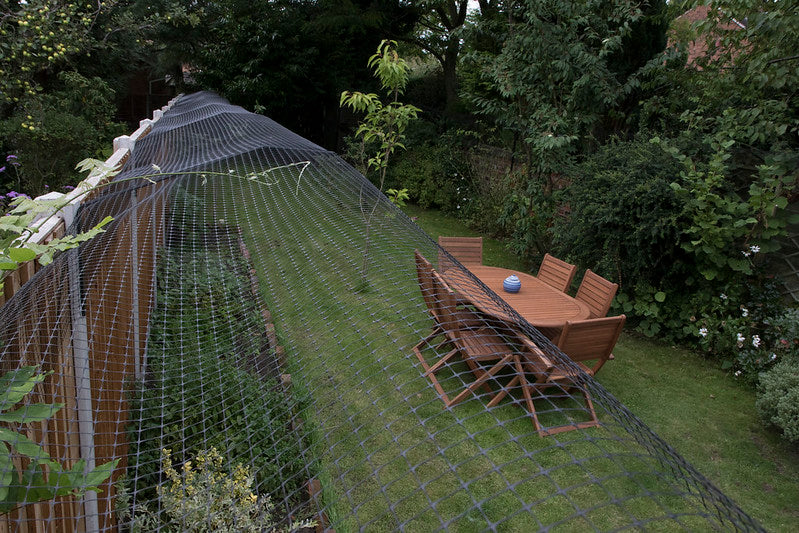
Cat-proof Netting
Netting is a flexible way to secure your yard. Attach it on top of fences or walls. The netting stops cats from jumping out. It also keeps other animals from entering. Choose strong, weather-resistant netting for safety. Make sure it is tight and has no loose parts. This setup lets your cat enjoy fresh air safely.
Garden Enclosures
Garden enclosures create a fully enclosed play area. These can be small or large, depending on space. Use wire mesh or clear panels for walls and roofs. Enclosures protect cats from traffic and predators. They allow cats to enjoy nature without risks. Easy to build or buy ready-made kits. Place toys and shelter inside for comfort.
Employ Training Techniques
Training your cat can help keep it safe inside your yard. Cats learn best with clear signals and rewards. Training takes patience and consistency. You will see better results by practicing daily.
Positive Reinforcement
Reward your cat for good behavior. Use treats or gentle petting as a reward. This helps your cat connect good actions with positive results. Avoid punishment; it can cause fear or confusion. Praise your cat when it stays in the yard.
Recall Commands
Teach your cat to come when called. Use a simple word like “come” or a whistle. Call your cat and reward it when it comes. Practice this often in the yard. This skill helps you keep your cat close.
Boundary Training
Set clear limits for where your cat can go. Use markers like garden edging or small fences. Gently guide your cat back if it crosses the boundary. Reward it for staying inside the limits. Over time, your cat will respect these boundaries.
Credit: protectapet.com
Provide Entertainment Outdoors
Providing entertainment outdoors helps keep your cat happy and safe in your yard. Cats need activities to stay busy and avoid boredom. A fun outdoor space encourages them to explore without leaving the yard. Use toys, climbing spots, and scratching posts to make your yard their favorite place.
Toys And Climbing Structures
Offer a variety of toys to keep your cat interested. Small balls, feather wands, and moving toys work well outside. Climbing structures like cat trees or shelves give cats a chance to jump and climb. These structures satisfy their natural desire to climb and watch from high spots.
Interactive Playtime
Spend time playing with your cat outside. Use toys that move or dangle to catch their attention. Play helps build trust and keeps your cat active. Short, frequent sessions make outdoor time fun and safe.
Scratching Posts
Place scratching posts in your yard to protect furniture and plants. Cats love to scratch to stretch and mark their space. Outdoor posts made of wood or rope work best. This gives your cat a clear spot to scratch and stay entertained.
Manage Outdoor Risks
Managing outdoor risks is important to keep your cat safe in your yard. Cats enjoy exploring, but dangers can hide outside. Simple steps help reduce these risks and protect your pet.
Avoid Toxic Plants
Some plants can harm cats if they chew on leaves or flowers. Common toxic plants include lilies, azaleas, and tulips. Remove these plants from your yard or keep cats away from them. Choose safe plants like catnip or grass for cats to enjoy.
Pest Control Safely
Use pet-friendly methods to control pests in your yard. Chemicals and sprays can poison cats. Try natural solutions like diatomaceous earth or cedar chips. Keep bait traps and poisons out of your cat’s reach. Regularly check your yard for pests to prevent problems.
Monitor For Predators
Watch for animals that may harm your cat. Coyotes, hawks, and stray dogs can be threats. Check your yard often and keep your cat inside during dawn and dusk. Use fencing or netting to create a safe outdoor space. Stay alert to protect your cat from predators.

Credit: www.neighborhoodcats.org
Use Scent And Deterrents
Using scent and deterrents helps keep your cat in your yard safely. Cats rely on smell to explore and feel secure. You can guide your cat’s path with scents it likes. At the same time, you can keep other animals away with natural smells they dislike. This method uses nature’s signals to shape your pet’s behavior.
Catnip Zones
Catnip attracts many cats. Create small catnip zones in your yard. These spots become favorite resting or play areas. Your cat stays close to these scents. Plant fresh catnip or use dried leaves in pots. Change locations sometimes to keep interest. Catnip zones help your cat feel happy outdoors.
Natural Repellents For Other Animals
Other animals can disturb your cat or yard. Use natural repellents like citrus peels or vinegar. These smells keep unwanted animals away. Place peels or soaked cloths near fences or entrances. Avoid strong chemicals that may harm your cat. Natural repellents protect your cat’s space quietly.
Safe Deterrent Sprays
Deterrent sprays can stop your cat from leaving the yard. Choose sprays made for cats and safe for plants. Spray near gates or fence edges. The smell warns your cat to stay inside. Reapply sprays often, especially after rain. These sprays work without hurting or stressing your cat.
Consider Supervised Time
Spending time outside can be great for your cat. It helps them explore safely while staying close to home. Supervised time means you watch your cat carefully. This keeps them safe from dangers like cars or other animals. It also stops them from wandering too far. Supervised time builds trust between you and your cat. It teaches your cat that the yard is a safe place to be.
Leash Training
Leash training lets your cat explore without running away. Use a soft harness made for cats. Start indoors to help your cat get used to it. Walk your cat slowly in the yard. Always stay close and watch for signs of stress. Leash training takes patience but keeps your cat safe.
Outdoor Supervision
Stay outside with your cat during yard time. Watch their movements and keep them near. Use toys to keep your cat interested and active. Avoid distractions that might scare or excite your cat. Your presence helps your cat feel secure. It also lets you stop any risky behavior quickly.
Scheduled Yard Time
Set specific times for your cat to be outside. A routine helps your cat feel calm and expectant. Short sessions work best, especially at first. Gradually increase the time as your cat grows comfortable. Regular yard time makes your cat happy and healthier.
Frequently Asked Questions
How Can I Keep My Cat Safely Inside My Yard?
Build a secure fence or use cat-proof barriers to stop your cat from leaving the yard.
What Plants Can Help Keep Cats In My Yard?
Plant catnip or catmint to attract your cat and encourage them to stay nearby.
How Do I Make My Yard More Fun For My Cat?
Add toys, climbing trees, and shady spots to keep your cat entertained outside.
Can I Train My Cat To Stay In The Yard?
Yes, use treats and positive reinforcement to teach your cat to stay within yard limits.
What Dangers Should I Watch For In My Cat’s Yard?
Watch out for toxic plants, busy roads, and predators to keep your cat safe.
Is Outdoor Cat Fencing Effective To Keep Cats In Yard?
Special cat fencing works well by preventing cats from climbing or jumping over yard edges.
Conclusion
Keeping your cat safely inside your yard takes patience and care. Use fences, plants, and toys to make the space fun. Watch your cat often to learn its habits. Give your cat plenty of love and attention outdoors. Small steps can help your cat stay close and happy.
With time, your yard becomes a safe place for your furry friend. Enjoy the moments spent together outside. Your cat will feel more secure and loved.
As an Amazon Associate, I earn from qualifying purchases.