If you’ve ever discovered cat pee on your comforter, you know how frustrating and unpleasant it can be. The smell lingers, and you might worry the stain is permanent.
But don’t stress—there are simple, effective ways to get that odor and stain out for good. You’ll learn easy steps to restore your comforter and keep it fresh. Keep reading, and you’ll soon have your cozy bedding smelling clean and looking like new again.
Credit: www.catster.com
Identify The Stain
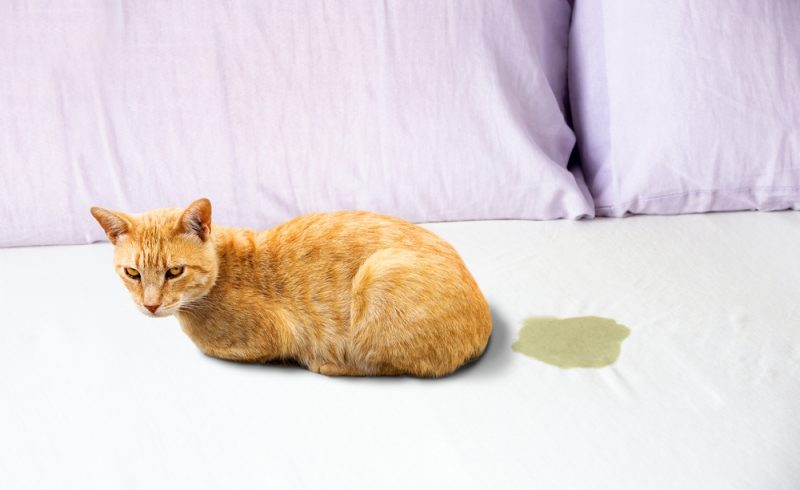
Identifying the stain is the first step to remove cat pee from a comforter. Knowing exactly where the urine is helps treat the spot properly. Cat urine can be hard to find, especially on light or patterned fabric. Careful inspection is needed to find all affected areas. This step ensures no part of the stain gets missed during cleaning.
Spotting Cat Urine
Look for yellow or slightly darker spots on the comforter. The affected area may feel damp or have a different texture. Sometimes, a strong ammonia smell signals the presence of cat urine. Check both sides of the comforter and any folds or creases. Stains may be hidden deep in the fabric layers.
Using Uv Light For Detection
UV light helps find stains invisible to the naked eye. Turn off the lights and shine a UV flashlight on the comforter. Cat urine stains will glow bright yellow or green under UV light. This method works well in dark rooms or on dark fabrics. Use UV light to confirm all urine spots before cleaning.

Credit: www.reddit.com
Pre-treatment Steps
Removing cat pee from a comforter starts with careful pre-treatment. These early steps help stop the stain and smell from setting in. Acting fast improves cleaning results and protects your fabric. Follow these simple actions to prepare the comforter for washing.
Blotting Excess Urine
Begin by blotting the wet area with paper towels or a clean cloth. Press gently to absorb as much urine as possible. Avoid rubbing or spreading the stain. Change towels often to keep absorbing more liquid. The less urine left, the easier cleaning will be.
Avoiding Heat And Scrubbing
Do not use hot water or heat on the stained spot before cleaning. Heat can fix the urine stain and odor permanently. Skip scrubbing, which pushes urine deeper into the fabric. Use only gentle blotting and cold water to treat the area first.
Effective Cleaning Solutions
Removing cat pee from a comforter needs the right cleaning solutions. These solutions break down the stain and stop bad smells. Some cleaners you can make at home. Others you can buy at the store. Natural options also work well. Each type works in a special way to clean and freshen your comforter.
Homemade Enzyme Cleaners
Enzyme cleaners break down the proteins in cat urine. You can make one with simple ingredients. Mix baking soda, water, and a little vinegar. Let it sit on the stain for 10-15 minutes. Then blot and rinse with cold water. This method helps remove the smell and stain naturally.
Store-bought Products
Many stores sell enzyme cleaners made just for pet stains. These products work fast and are easy to use. Spray the cleaner on the pee spot. Let it sit according to the instructions. Then wash your comforter as usual. Store-bought cleaners often have strong enzymes that break down urine well.
Natural Remedies
Lemon juice and white vinegar are good natural cleaners. They help remove odor and whiten the fabric. Mix one part lemon juice with two parts water. Spray or dab the mixture on the stain. Let it dry in the sun if possible. Sunlight helps kill bacteria and freshen the comforter.
Washing The Comforter
Washing a comforter with cat pee stains needs care. Doing it right removes smells and keeps fabric safe. Follow these steps to wash your comforter effectively and freshen it up.
Machine Wash Tips
Check the comforter’s label before washing. Use a gentle cycle with cold or warm water. Avoid hot water as it can set stains. Add the comforter loosely to the washer to allow water flow. Run an extra rinse cycle to remove all detergent and odors. Stop the wash if the comforter is too large for your machine. Consider a laundromat with bigger machines if needed.
Choosing The Right Detergent
Pick a detergent made for sensitive skin or pets. Avoid strong detergents with harsh chemicals. Use a small amount to prevent residue build-up. Add a cup of white vinegar to the rinse cycle. Vinegar helps neutralize the pee smell without damage. Skip fabric softeners as they can trap odors in the fabric.
Drying Methods
Dry the comforter thoroughly to stop mildew growth. Use a low heat setting in the dryer. Add clean tennis balls or dryer balls to fluff the comforter. Check the comforter often to prevent overheating. Air drying in the sun is also effective. Sunlight helps remove stains and kills bacteria naturally. Make sure the comforter is fully dry before use or storage.
Removing Lingering Odors
Cat pee can leave a strong smell in your comforter. Removing this odor is important to keep your bedding fresh. Simple household items can help get rid of lingering smells. These methods are safe and easy to try at home.
Using Baking Soda
Baking soda is a natural deodorizer. Sprinkle a generous amount over the affected area. Let it sit for several hours or overnight. The baking soda absorbs the odor and moisture. After resting, vacuum or shake off the powder. This step helps reduce the smell before washing.
Vinegar Rinse
Vinegar neutralizes the ammonia smell in cat urine. Mix one part white vinegar with two parts water. Soak the comforter in this solution for 15-30 minutes. Gently squeeze the fabric but do not wring it. Rinse well with cold water to remove vinegar smell. Vinegar also helps break down urine stains.
Fresh Air Techniques
Air drying your comforter outdoors removes odors naturally. Hang it in a sunny, breezy spot. Sunlight helps kill bacteria that cause smells. Fresh air also carries away the urine scent. Avoid damp or humid areas to prevent mildew growth. Repeat airing until the comforter smells clean.
:strip_icc()/remove-urine-odor-from-laundry-555190-03-7f0f46e604cb423ebde36a61493c2648.jpg)
Credit: www.thesprucepets.com
Preventing Future Accidents
Preventing future accidents is key to keeping your comforter fresh and clean. Cats may pee on your comforter for many reasons. Stress, health issues, or litter box problems often cause this behavior. Understanding and addressing these causes can help stop accidents. Here are some simple steps to prevent cat pee on your bedding.
Behavioral Training For Cats
Teach your cat where to pee using positive rewards. Praise and treats work well when they use the litter box. Avoid punishing your cat; it can cause fear and more accidents. Observe your cat’s habits and guide them gently. Consistency helps your cat learn proper behavior faster.
Litter Box Maintenance
Clean the litter box every day to keep it inviting. Cats dislike dirty or smelly boxes. Use enough litter and scoop frequently. Place the box in a quiet, easy-to-access spot. Provide one litter box per cat plus one extra. This reduces competition and stress among cats.
Comforter Protection Tips
Use a waterproof cover on your comforter to protect it. Wash the cover regularly to remove odors. Avoid leaving the comforter on the floor. Keep the bedroom door closed if your cat is prone to accidents. These small actions keep your bedding safe and fresh.
Frequently Asked Questions
How Do I Remove Cat Pee Smell From A Comforter?
Use cold water and enzyme cleaner to break down urine odor and wash thoroughly.
Can I Use Vinegar To Clean Cat Urine On Comforters?
Yes, vinegar neutralizes odor and disinfects; mix with water and soak before washing.
What’s The Best Way To Dry A Comforter After Cleaning Urine?
Air dry or use a low heat setting in the dryer to avoid damage.
How Soon Should I Treat Cat Pee On My Comforter?
Treat as soon as possible to prevent stains and odors from setting in.
Will Regular Laundry Detergent Remove Cat Urine Smell?
Regular detergent helps but may not fully remove odor; an enzyme cleaner works best.
Can Baking Soda Help Eliminate Cat Pee Odor On Comforters?
Yes, sprinkle baking soda after washing to absorb odors, then vacuum it off.
Conclusion
Cleaning cat pee from a comforter is possible with the right steps. Act quickly to stop stains and smells from setting. Use gentle cleaners and rinse well to protect fabric. Dry the comforter completely to avoid mildew. Regular cleaning helps keep your bedding fresh and odor-free.
Small efforts make a big difference in keeping your comforter clean. Your pet’s accidents don’t have to ruin your bedding. Stay calm, follow these tips, and enjoy a fresh, comfy bed again. Easy and effective care is within your reach.
As an Amazon Associate, I earn from qualifying purchases.