Bringing a new cat into your home is exciting, but it can also feel a little overwhelming. You want your furry friend to feel safe and loved right away, but cats can be shy or anxious in new surroundings.
The good news? With a few simple steps, you can make your new cat feel comfortable and start building a strong, happy bond. Keep reading, and you’ll discover easy ways to help your cat relax, trust you, and settle into their new home quickly.
Your cat’s comfort is just a few tips away!

Credit: www.jaymoves.com
Preparing Your Home
Preparing your home helps your new cat feel safe and calm. Cats need a quiet, cozy place to relax. Setting up the right space makes the transition easier. Small changes can make a big difference for your cat’s comfort.
Choosing A Quiet Space
Pick a quiet room with little noise and few people. Avoid busy areas like the kitchen or living room. A spare bedroom or a quiet corner works well. This space gives your cat a chance to explore slowly. It helps reduce stress and fear.
Setting Up Essentials
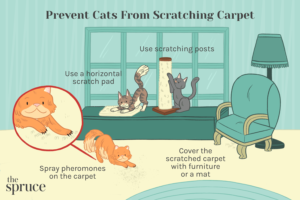
Place a soft bed or blanket in the chosen space. Add food and water bowls nearby but not too close. Set up a clean litter box in a private spot. Include toys and scratching posts for play and exercise. These essentials make your cat feel at home quickly.
Cat-proofing The Area
Remove anything dangerous or fragile from the space. Hide electrical cords and secure loose wires. Check for small objects your cat could swallow. Block off tight spots where your cat could get stuck. A safe area helps your cat explore without harm.

Credit: www.reddit.com
Introducing The Cat Slowly
Introducing a new cat to your home needs care and patience. Cats feel safe when they can explore slowly. Sudden changes can make them scared or stressed. A slow introduction helps your cat adjust to new sights, sounds, and smells. It also helps build trust between you and your pet.
Limiting Initial Exploration
Start by letting your cat explore one small area. This space should be quiet and calm. Keep doors closed to stop the cat from roaming too far. This limits stress and helps the cat feel safe. Let your cat get used to this space for a few days.
Using A Safe Room
Choose a room with food, water, litter box, and toys. This safe room becomes your cat’s new home base. The cat can rest and relax here without pressure. Visiting this space often helps the cat feel secure. Spend time in the room, talking softly and offering treats.
Gradual Exposure To Other Pets
Keep your new cat separate from other pets at first. Use a door or baby gate to allow them to see each other. Let them sniff and observe without direct contact. Watch their reactions closely for signs of stress. Slowly increase their time together over days or weeks.
Building Trust And Bonding
Building trust and bonding with a new cat takes patience and care. Cats need time to feel safe in their new home. Each cat has its own personality and comfort level. Small steps help create a strong, loving relationship. Focus on gentle actions and respect their feelings. This section shares easy ways to connect with your new furry friend.
Gentle Interaction Techniques
Speak softly to your cat. Avoid loud noises or sudden movements. Let the cat come to you first. Use slow, calm blinks to show friendliness. Pet your cat lightly on the head or back. Watch their body language for signs of comfort. Stop if they seem scared or tense. Gentle touch builds a positive bond over time.
Using Treats And Toys
Offer small treats as rewards for good behavior. Treats help your cat feel happy and safe. Use toys to encourage play and exercise. Wand toys or balls work well. Playtime builds trust and reduces stress. Keep sessions short and fun. Always praise your cat after play to reinforce trust.
Respecting Their Space
Give your cat a quiet, safe area to rest. Avoid forcing contact or picking them up. Let them explore the home at their own pace. Provide hiding spots like boxes or soft beds. Respect their need for alone time. Trust grows when cats feel in control. Patience shows your respect and care.
.png)
Credit: www.24petprotect.com
Creating A Comfortable Environment
Creating a comfortable environment helps a new cat feel safe and calm. Cats need a space where they can relax and explore without stress. This section explains how to set up that space. Small changes make a big difference in a cat’s comfort.
Providing Cozy Resting Spots
Cats love soft, warm places to rest. Offer a few beds or blankets in quiet corners. Use materials that feel gentle on their fur. Place these spots away from busy areas. Cats enjoy having a choice of high or low resting places. A cozy spot helps a cat feel secure and relaxed.
Maintaining A Consistent Routine
Cats thrive on routine. Feed, play, and clean their litter at the same times each day. A steady schedule reduces anxiety and builds trust. Try not to change the routine suddenly. Predictability helps a cat understand what to expect next. This makes the new environment less scary.
Controlling Noise And Light
Bright lights and loud sounds can frighten cats. Keep the room quiet and softly lit. Use curtains to block harsh sunlight. Avoid sudden noises like shouting or loud music. A calm space feels safer and more inviting. This helps your new cat settle in faster.
Monitoring Health And Behavior
Watching your new cat’s health and behavior is very important. It helps you understand how your cat feels and adapts. Cats cannot talk, so their actions and body signs tell a lot. Careful observation helps you catch problems early. This keeps your cat happy and safe in the new home.
Recognizing Stress Signs
Stress can make cats hide or act strange. Look for changes like less eating, hiding, or loud meowing. Some cats scratch more or stop using the litter box. Sudden aggression or nervousness can also show stress. Spotting these signs early helps you calm your cat quickly.
Scheduling Veterinary Checkups
Plan a vet visit soon after bringing your cat home. The vet checks for health problems and gives needed vaccines. Regular checkups keep your cat strong and prevent diseases. Discuss your cat’s behavior and diet with the vet. Follow their advice for best care.
Adjusting Care Based On Needs
Each cat is different and needs unique care. Watch how your cat reacts to food, toys, and environment. Change feeding times or types if needed. Provide quiet spaces if your cat feels scared. Adjusting care helps your cat feel safe and loved every day.
Encouraging Play And Exercise
Encouraging play and exercise helps your new cat feel safe and happy. Play builds trust and helps your cat explore its new home. Exercise keeps your cat healthy and active. It also reduces stress and boredom. Here are ways to make playtime fun and effective.
Selecting Appropriate Toys
Choose toys that match your cat’s size and energy. Soft balls, feather wands, and small stuffed mice often work well. Avoid toys with small parts that can be swallowed. Rotate toys every few days to keep interest high. Let your cat try different types to find favorites.
Setting Playtime Sessions
Plan short, frequent play sessions throughout the day. Cats enjoy bursts of activity followed by rest. Use toys to mimic prey movements like quick darts and pauses. End sessions before your cat gets tired. This keeps play positive and engaging.
Promoting Mental Stimulation
Use puzzle feeders or treat-dispensing toys to challenge your cat’s mind. Hide toys or treats around the room for your cat to find. Change hiding spots often to keep your cat curious. Mental exercise helps prevent boredom and unwanted behavior.
Frequently Asked Questions
How Long Does It Take For A New Cat To Feel Comfortable?
Most cats feel at ease after a few days to two weeks in a new home.
What Are The Best Spots For A New Cat To Hide?
Quiet, low-traffic areas with soft bedding are ideal safe spots for new cats.
How Can I Help My New Cat Adjust To My Home?
Provide food, water, a litter box, and gentle attention to build trust.
Should I Introduce My New Cat To Other Pets Immediately?
Slow introductions are better; allow your cat to explore alone first.
What Signs Show A Cat Is Stressed In A New Home?
Hiding, not eating, hissing, or excessive grooming often signal stress.
How Important Is Playtime For A New Cat’s Comfort?
Play helps reduce stress and builds a strong bond with your cat.
Conclusion
Making your new cat feel safe takes patience and care. Give quiet space and gentle attention. Let your cat explore at its own pace. Use soft voices and offer tasty treats. Keep routines steady to build trust quickly. Watch your cat’s body language closely.
Small steps help your cat relax and enjoy home. Creating a calm, loving place makes all the difference. Your new cat will soon feel happy and secure.
As an Amazon Associate, I earn from qualifying purchases.