Getting your cat to eat dry food can sometimes feel like a real challenge. You want your furry friend to enjoy a healthy diet, but they might turn up their nose at the crunchy kibble.
If you’re struggling with this, you’re not alone—and there are simple, effective ways to encourage your cat to make the switch. Keep reading, because by the end of this article, you’ll have easy tips that can help your cat love their dry food, making mealtime stress-free for both of you.
Credit: avodermnatural.com
Choosing The Right Dry Food
Choosing the right dry food for your cat plays a big role in encouraging them to eat it. Cats have different tastes and health needs. Picking the right food helps keep them healthy and happy. Understanding what to look for makes the choice easier.
Consider Nutritional Needs
Cats need balanced nutrition for good health. Look for dry food with the right mix of protein, fats, and vitamins. Protein should come from animal sources. Check for added taurine, an essential nutrient for cats. Avoid foods with too many fillers like corn or wheat. This helps support your cat’s energy and coat.
Select Palatable Flavors
Cats prefer certain flavors over others. Chicken, fish, and beef are common favorites. Try small amounts of different flavors to see what your cat likes. Some cats like variety, so rotating flavors can keep them interested. Texture matters too. Crunchy kibble can be more appealing than hard or dry pieces.
Check Ingredient Quality
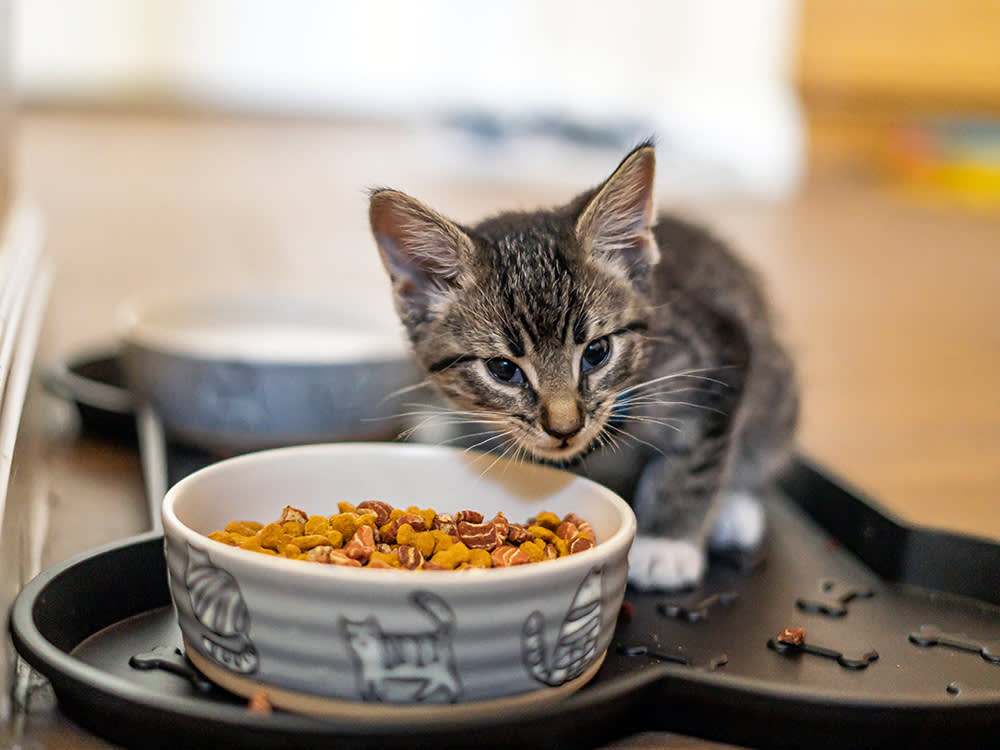
High-quality ingredients make dry food more nutritious and tasty. Look for named meat sources at the top of the list. Avoid foods with artificial colors, flavors, or preservatives. Natural ingredients support digestion and overall health. Good quality food can encourage your cat to eat more regularly.
Credit: www.kinship.com
Gradual Transition Strategies
Switching your cat to dry food needs patience. Sudden changes can upset their stomach or make them reject the food. Gradual transition helps your cat get used to the new taste and texture. It reduces stress and helps avoid eating problems. Use small steps to change the food slowly. Watch your cat’s behavior closely during this time.
Mixing Wet And Dry Food
Start by mixing a small amount of dry food with wet food. Keep most of the meal as wet food at first. This keeps the smell and taste familiar. Gradually add more dry food over several days. This helps your cat accept the new texture without stress.
Increasing Dry Food Ratio Slowly
Increase the dry food portion little by little each day. Move from mostly wet food to mostly dry food. Do this over one to two weeks. This slow change allows your cat’s digestive system to adjust. It also makes the dry food less strange and more normal.
Monitoring Cat’s Reaction
Watch your cat’s eating habits closely during the switch. Check for signs like vomiting, diarrhea, or refusal to eat. If problems appear, slow down the transition. Give your cat time to get used to the dry food. Praise and gentle encouragement help too.
Enhancing Dry Food Appeal
Getting your cat to enjoy dry food can be challenging. Cats often prefer wet or fresh food due to its smell and texture. Enhancing the appeal of dry food can make a big difference. Small changes can attract your cat and encourage eating.
Adding Warm Water Or Broth
Pour a little warm water or low-sodium broth over the dry food. This softens the kibble and releases appealing aromas. The warmth helps mimic the smell of fresh food. It also makes the food easier to chew and swallow.
Sprinkling Tasty Toppers
Sprinkle a small amount of tasty toppers like freeze-dried meat or fish flakes. These add flavor and texture that cats love. Toppers can make dry food more exciting and inviting. Use toppers sparingly to keep meals healthy and balanced.
Using Food Warmers
Food warmers gently heat dry food to release stronger smells. Warm food smells more like fresh prey, attracting your cat’s interest. Use a pet-safe warmer for a few minutes before feeding. Avoid overheating to keep the food safe and tasty.

Credit: www.youtube.com
Creating A Comfortable Feeding Environment
Creating a comfortable feeding environment helps your cat enjoy dry food. Cats are sensitive to noise and surroundings. A calm place makes eating less stressful. This encourages them to try new food. Small changes can make a big difference.
Choosing Quiet Feeding Spots
Pick a quiet spot away from loud sounds and heavy foot traffic. Cats feel safe in calm areas. Avoid placing food near noisy appliances or busy rooms. A peaceful spot helps your cat focus on eating. This reduces anxiety and distractions.
Using Shallow Bowls
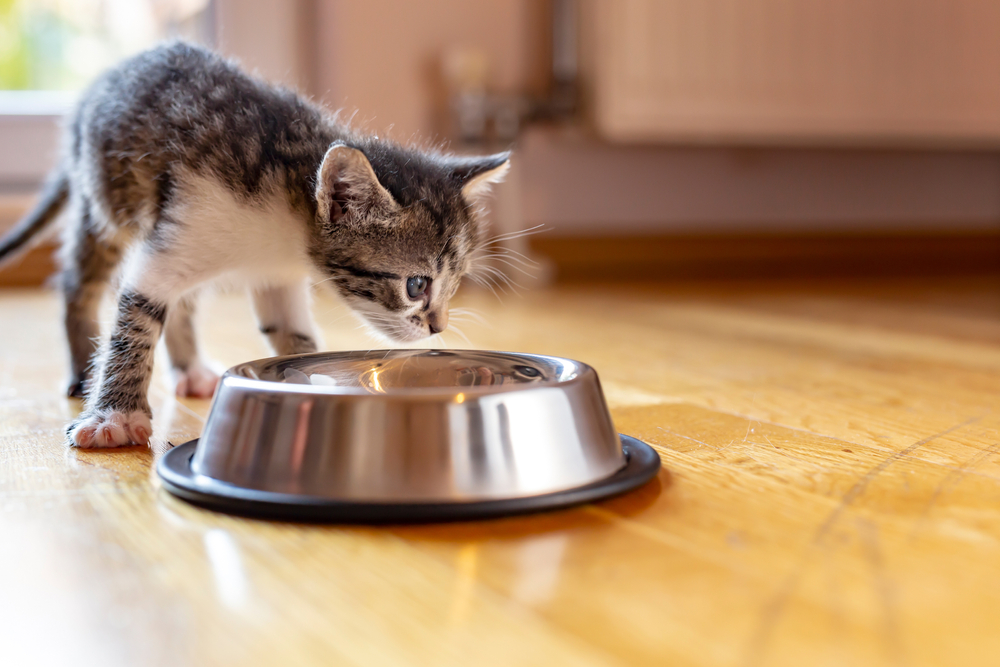
Use shallow bowls for dry food. Cats dislike deep bowls that touch their whiskers. Shallow dishes prevent whisker fatigue, making eating more pleasant. Clean the bowls regularly to keep food fresh and inviting. This simple switch can encourage your cat to eat.
Maintaining Consistent Feeding Times
Feed your cat at the same times every day. Consistency builds a routine your cat expects. Predictable meals reduce stress and improve appetite. Avoid leaving dry food out all day. Scheduled feeding helps your cat enjoy each meal more.
Encouraging Appetite
Encouraging your cat to eat dry food can sometimes be a challenge. Cats may refuse dry food due to habits or preferences. Creating the right environment helps increase their interest in dry food. Small changes in daily routine can boost your cat’s appetite and acceptance.
Incorporating Play Before Meals
Play stimulates your cat’s natural hunting instincts. Active play before mealtime makes your cat feel hungry. Use toys like feathers, balls, or laser pointers. Keep play sessions short but lively. This helps your cat want to eat after exercise.
Limiting Treats Between Meals
Too many treats reduce your cat’s hunger for dry food. Treats fill up their stomach and spoil appetite. Offer treats only after your cat eats dry food. Keep treats small and infrequent. This encourages your cat to focus on regular meals.
Ensuring Adequate Hydration
Water intake affects your cat’s overall health and appetite. Dry food needs water for proper digestion. Provide fresh water in a clean bowl daily. Some cats prefer running water from a fountain. Hydrated cats feel better and eat more regularly.
When To Consult A Veterinarian
Knowing when to consult a veterinarian is important if your cat refuses dry food. Sometimes, refusal signals health problems. Other times, it shows food preference or stress. Watching your cat’s behavior helps decide if a vet visit is needed. Early action can prevent serious issues.
Signs Of Health Issues
Look for changes in eating habits, weight loss, or vomiting. A cat that stops eating dry food might have dental pain. Bad breath, drooling, or pawing at the mouth are warning signs. Lethargy and hiding can also mean illness. These symptoms require a veterinarian’s checkup.
Addressing Persistent Refusal
When your cat refuses dry food for days, seek advice. Prolonged refusal can lead to malnutrition. A vet can examine for underlying causes. They may suggest tests or treatments. Acting quickly helps keep your cat healthy.
Exploring Alternative Diets
A vet can recommend other food options. Wet food, homemade meals, or special diets might be better. Some cats need prescription diets for health issues. Veterinarians guide safe changes to your cat’s meals. This ensures balanced nutrition and well-being.
Frequently Asked Questions
How Can I Make My Cat Eat Dry Food?
Try mixing dry food with wet food or warm water to improve taste and smell.
Why Does My Cat Refuse Dry Food?
Cats may dislike texture or taste. Try changing brands or flavors gradually.
How Long Should I Transition My Cat To Dry Food?
A two-week gradual switch helps cats adjust without stomach upset.
Can I Mix Wet And Dry Food For My Cat?
Yes, mixing helps cats accept dry food and offers balanced nutrition.
What Are Signs My Cat Likes Dry Food?
Cats eating regularly, showing interest, and having good energy levels indicate liking.
Is Dry Food Healthy For All Cats?
Dry food suits most cats but check with a vet for specific health needs.
Conclusion
Getting your cat to eat dry food takes time and patience. Try mixing wet and dry food for a smooth change. Offer small amounts and stay consistent with feeding times. Watch your cat’s reaction and adjust the food type if needed.
Keep the food fresh and clean the bowl often. Remember, every cat is different. With care and patience, your cat will learn to enjoy dry food. Don’t rush the process; small steps lead to success.
As an Amazon Associate, I earn from qualifying purchases.