If your dog has ever had a run-in with a porcupine, you know how scary it can be. Those sharp quills don’t just poke—they can cause pain, swelling, and infection if not removed quickly and properly.
You might be wondering, “What’s the best way to get those quills out without hurting my dog even more? ” This guide is here to help you stay calm and take the right steps. Keep reading to learn exactly how to remove porcupine quills safely and protect your furry friend from further harm.
Signs Of Quill Injuries
Porcupine quills can cause serious injuries to dogs. Early signs of quill injuries help in quick treatment. Knowing these signs protects your dog from infections and pain. Watch your dog closely after any porcupine encounter.
Identifying Quill Penetration
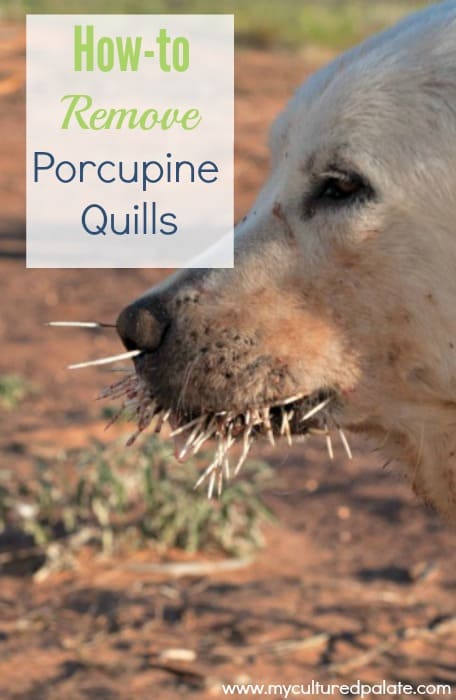
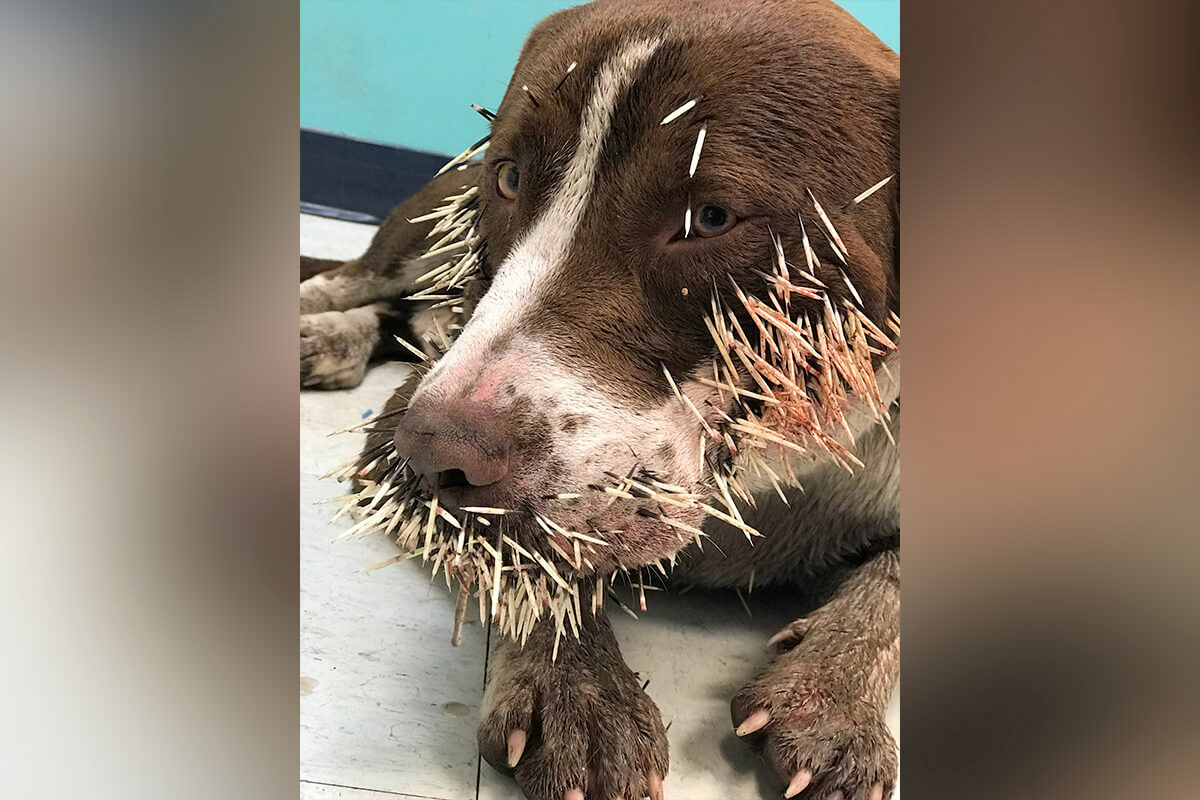
Quills look like sharp, stiff spikes stuck in the skin. They often enter the nose, face, paws, or mouth. You might see small wounds with quills sticking out. Quills are barbed, making removal tricky. Sometimes, quills are hidden under fur or skin. Check your dog carefully in bright light.
Common Symptoms In Dogs
Your dog may lick or bite the injured area. Swelling and redness often appear around quill sites. Dogs may shake their head if quills are near ears or face. Limping or favoring a paw can mean quills are stuck there. Watch for unusual behavior like whining or hiding. These signs show your dog feels pain or discomfort.
Credit: www.oswaldvineyard.com
Immediate Actions To Take
Removing porcupine quills from a dog requires fast action. Immediate steps help reduce pain and avoid more harm. Acting quickly improves your dog’s chance of a safe recovery. Stay calm and follow the right steps to help your pet.
Keeping Your Dog Calm
Dogs feel scared and hurt when quills stick in their skin. Speak softly to soothe your dog. Use a calm voice and gentle touch. Hold your dog still but do not force it. Stress makes quills harder to remove. A calm dog feels less pain and moves less.
Preventing Further Injury
Keep your dog from scratching or biting the quills. Use a muzzle or soft cloth if needed. Avoid pulling quills out quickly or sideways. This can break the quill and cause infection. Do not try to remove deep quills yourself. Cover the injured area gently with a clean cloth. Take your dog to a vet as soon as possible.
Tools Needed For Removal
Removing porcupine quills from your dog needs the right tools. Having these tools ready makes the process safer and faster. Using the proper supplies helps avoid more pain or injury to your pet. Prepare a clean, quiet space before you start. Keep your dog calm and still to ease the removal.
Essential Supplies
- Tweezers with a firm grip – best for pulling out quills.
- Gloves – protect your hands from sharp quills and bacteria.
- Antiseptic solution – clean the wound after quill removal.
- Sterile gauze pads – for applying pressure to stop bleeding.
- Scissors – to cut quills close to the skin if needed.
- Flashlight – helps see quills hidden in fur or skin folds.
Optional Items For Safety
- Muzzle – prevents biting if your dog feels pain or fear.
- Pet restraint or soft towel – keeps your dog steady during removal.
- Styptic powder – stops bleeding quickly from small wounds.
- First aid kit – useful for treating scratches or minor injuries.
- Disinfectant wipes – clean your tools and hands during the process.

Credit: www.youtube.com
Step-by-step Removal Process
Removing porcupine quills from your dog can be stressful. Follow these clear steps to make the process safer and easier. Act quickly to reduce pain and prevent infection. Stay calm and gentle to help your dog stay relaxed during removal.
Locating The Quills
Check your dog carefully for quills. Look for sharp, stiff needles sticking out of the skin. Quills often hide in thick fur or near the face and paws. Use good lighting and a calm environment. Be gentle to avoid pushing quills deeper.
Proper Removal Techniques
Use pliers or tweezers to grasp each quill firmly. Pull the quill straight out, following its entry angle. Avoid twisting or breaking the quill, which can cause more pain. Work slowly and carefully. Clean the area with antiseptic after removing all quills.
Handling Difficult Quills
Sometimes quills break or sit deeply under the skin. If a quill breaks, try to remove the remaining part with clean tweezers. Do not dig into the skin. For deep quills or many quills, visit a vet quickly. They have tools and skills to help safely.
When To Seek Veterinary Help
Removing porcupine quills from a dog can be tricky and painful. Sometimes, the best choice is to get professional help. Knowing when to seek veterinary care helps keep your dog safe and healthy. Watch your dog’s behavior and wounds closely after quill removal attempts.
Signs Of Complications
Look for swelling or redness around the quill site. Pus or a bad smell means infection. Your dog may lick or bite the area often. Notice if your dog limps or acts weak. Fever or loss of appetite can signal problems. These signs need a vet’s attention quickly.
Emergency Situations
Call a vet if quills are near the eyes, mouth, or throat. These areas are very sensitive and risky. Difficulty breathing or swallowing means immediate help is needed. Heavy bleeding or deep wounds require urgent care. Do not try to remove deeply embedded quills yourself. A vet has the right tools and skills to handle emergencies safely.
Aftercare Tips For Your Dog
Removing porcupine quills from your dog is just the first step. Aftercare is crucial to help your pet heal quickly. Good care stops infection and reduces pain. Pay close attention to your dog’s wounds. Gentle care helps your dog feel better faster.
Cleaning And Disinfecting Wounds
Start by cleaning the wounded area carefully. Use warm water and mild soap to wash the skin. Avoid harsh chemicals that can irritate the skin. Pat the area dry with a clean cloth. Apply an antiseptic solution recommended by your vet. This stops germs from causing infection. Keep the wound clean every day. Change any bandages regularly to keep the skin dry.
Monitoring For Infection
Watch your dog closely for signs of infection. Look for redness, swelling, or heat around the wound. Check if your dog is licking or biting the area more often. Notice if your dog has a fever or seems tired. These signs mean you should visit the vet immediately. Early treatment prevents serious problems. Keep your dog calm and rested to help healing.
Preventing Future Encounters
Preventing future encounters with porcupines is key to keeping your dog safe. Avoiding these animals helps stop painful quill injuries. Small changes in daily habits reduce risks. Careful planning keeps your dog away from danger.
Avoiding Porcupine Habitats
Porcupines live in wooded areas and near water. Avoid walking your dog in these places, especially at night. Look for signs like quills or strong smells. Choose open fields or parks instead. Keeping your dog on a leash helps control where it goes. Watch for porcupines resting in trees or bushes.
Training And Supervision
Train your dog to respond to commands like “leave it” or “come.” Practice these commands often in safe settings. Supervise your dog closely during walks. Stay alert to your dog’s behavior and surroundings. Quick action can stop your dog from chasing or touching porcupines. Reward good behavior to reinforce training.
Credit: www.gundogmag.com
Frequently Asked Questions
How Do You Safely Remove Porcupine Quills From A Dog?
Use pliers to pull quills straight out. Avoid twisting to prevent breakage or infection.
What Supplies Do I Need To Remove Quills At Home?
Have pliers, gloves, antiseptic, and a muzzle ready before starting quill removal.
How Soon Should Quills Be Removed From A Dog?
Remove quills as soon as possible to reduce pain and prevent infection.
Can I Remove Quills If They Are Near My Dog’s Eyes?
Avoid removing quills near eyes; seek veterinary help to prevent injury.
What Signs Show My Dog Needs A Vet After Quill Removal?
Watch for swelling, redness, pus, or fever. These signs need a vet visit.
How Can I Prevent My Dog From Getting Porcupine Quills Again?
Keep dogs on a leash and avoid wooded areas where porcupines live.
Conclusion
Removing porcupine quills from your dog needs care and patience. Act quickly but gently to avoid hurting your pet. Use proper tools and clean the area well. Watch your dog for signs of infection or pain after removal. Visit a vet if quills are deep or many.
Keeping calm helps your dog stay calm too. Taking these steps protects your dog’s health and comfort. Stay prepared, and you can handle this problem safely at home.
As an Amazon Associate, I earn from qualifying purchases.