Have you ever heard someone tell their dog to “heel” and wondered what it really means? If you want your furry friend to walk calmly by your side without pulling or wandering off, understanding the word “heel” is key.
This simple command can change the way you and your dog enjoy walks together. Keep reading to discover what “heel” means to your dog and how it can make every stroll more relaxed and enjoyable for both of you.
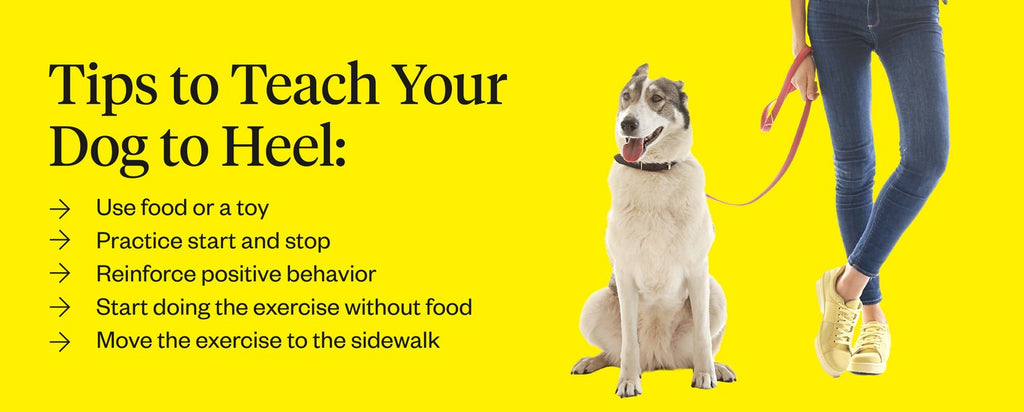
Credit: www.scala-santa.com
Heel Command Basics
The heel command is a key part of dog training. It teaches dogs to walk close to their owner’s side. This helps keep dogs safe and controlled during walks. Understanding the basics of the heel command is important for every dog owner.
Training a dog to heel builds good behavior and strong communication. Dogs learn to focus on their owner rather than distractions. The heel command is simple but very useful in daily life.
Origin Of Heel In Dog Training
The heel command has a long history in dog training. It started with working dogs that helped hunters and farmers. These dogs needed to stay close and follow their handler’s lead.
Military and police dogs also used the heel command. It helped handlers control their dogs in busy or dangerous places. Over time, trainers adapted the command for pets and everyday use.
Purpose Of Heel Command
The main purpose of the heel command is control. It keeps the dog walking beside the owner without pulling or wandering. This makes walks safer and more pleasant.
The heel command also helps dogs learn discipline. It creates a clear role for the dog during walks. Dogs understand they must stay close and pay attention to the owner’s signals.
Benefits Of Heel Training
Heel training is a key skill for dogs and owners. It creates a stronger bond and makes walks peaceful. Teaching your dog to heel brings many benefits that improve daily life. It helps control, safety, and social behavior. Each of these benefits makes walks more enjoyable and less stressful.
Improved Walk Control
Heel training helps you guide your dog easily. Your dog stays close to your side. No more pulling or sudden lunges. Walks become calm and smooth. You spend less energy managing your dog. This control makes outdoor time more fun for both of you.
Enhanced Safety
Keeping your dog at heel reduces risks. Your dog stays near you and away from dangers. It stops your dog from running into traffic or strange animals. Heel training helps you react quickly to hazards. Safety increases for your dog and others nearby.
Better Social Behavior
Heel training teaches discipline around people and dogs. Your dog learns to stay focused and calm. It reduces jumping or aggressive moves during walks. Other dogs and people feel more comfortable around your dog. Social interactions become positive and stress-free.
How Dogs Interpret Heel
Dogs do not understand the word “heel” as humans do. Instead, they interpret the command through a mix of training, body language, and routine. The way a dog reacts to “heel” depends on how clearly the owner communicates and how consistent the training is. Dogs learn to associate “heel” with walking close and calmly beside their owner. This connection builds over time through practice and repetition.
Body Language And Signals
Dogs pay close attention to their owner’s body language during a heel command. A relaxed posture and steady pace signal the dog to stay close. Hand gestures or a gentle tug on the leash help guide the dog’s movement. Dogs watch for subtle cues like eye contact and direction changes. These signals tell the dog when to slow down, speed up, or stop.
Dogs also use their own body language to communicate during heel training. They may look at their owner for guidance or adjust their position to feel secure. Understanding these nonverbal signals helps dogs respond better to the heel command.
Common Misconceptions
Many people think “heel” means the dog must stay in one exact spot. Actually, it means walking close and in control. Dogs need some space to move naturally but stay near the owner. Another misconception is that dogs should heel all the time. Heel is best used in busy or distracting places for safety.
People often believe dogs understand the word alone. Dogs respond more to tone, body language, and routine than just words. Training consistency matters more than repeating the command.
Step-by-step Heel Training
Training a dog to heel takes patience and clear steps. It helps your dog walk calmly by your side without pulling. This training makes walks safer and more enjoyable for both of you. Follow these simple steps to teach your dog to heel.
Starting Indoors
Begin training inside a quiet room with few distractions. Use a short leash to keep control. Stand next to your dog and say “heel” clearly. Take a few slow steps forward. Praise your dog when they stay close to your side. Repeat this several times in short sessions.
Using Treats And Rewards
Give your dog small treats when they walk beside you. Use a happy voice to encourage good behavior. Rewards help your dog understand what you want. Keep treats ready but give them only when your dog heels correctly. Stop giving treats once your dog learns to stay by your side.
Progressing To Outdoor Walks
Move training outside to a quiet area like a backyard. The outdoors has more distractions, so stay patient. Use the leash and treats as before. Walk slowly and praise your dog for staying close. Increase the walk length gradually. Practice often to build good habits during walks.
Challenges In Heel Training
Heel training a dog can be tough. Dogs do not always listen or stay close. Many challenges can slow down progress. Understanding these challenges helps trainers stay calm and keep teaching.
Dealing With Distractions
Dogs see many things outside. Other animals, noises, and smells can distract them. These distractions make dogs forget to heel. Trainers must teach dogs to focus despite distractions. Practice in quiet places first. Slowly add distractions over time.
Handling Stubborn Behavior
Some dogs are stubborn and do not want to follow commands. They may pull or stop walking. Patience is key with these dogs. Use gentle but firm guidance. Reward small steps to encourage good behavior. Avoid harsh corrections that may scare the dog.
Consistency And Patience
Consistency helps dogs learn faster. Always use the same commands and rules. Training sessions should happen regularly and be short. Patience is needed as learning takes time. Celebrate small wins and keep trying. Each dog learns at its own pace.

Credit: cloudninedogtraining.com
Advanced Heel Techniques
Advanced heel techniques help improve your dog’s focus and control. They build on basic heel skills and add new challenges. These techniques prepare your dog for real-life situations and events. Practice regularly to see steady progress and better behavior.
Heel At Different Paces
Teach your dog to walk close at slow, normal, and fast speeds. Change pace often during walks. This keeps your dog alert and responsive. Use short commands to signal pace changes. Reward your dog for staying by your side.
Heel With Distractions
Practice heel around noises, other dogs, and people. Start in quiet places and add distractions slowly. This helps your dog focus on you, not the surroundings. Stay calm and patient as your dog learns. Praise and treats reinforce good behavior near distractions.
Heel For Competitive Obedience
Train your dog to heel with perfect position and attention. Use precise commands and consistent timing. Practice smooth turns, stops, and quick pace changes. Your dog should show eagerness and control. These skills are crucial for obedience competitions.
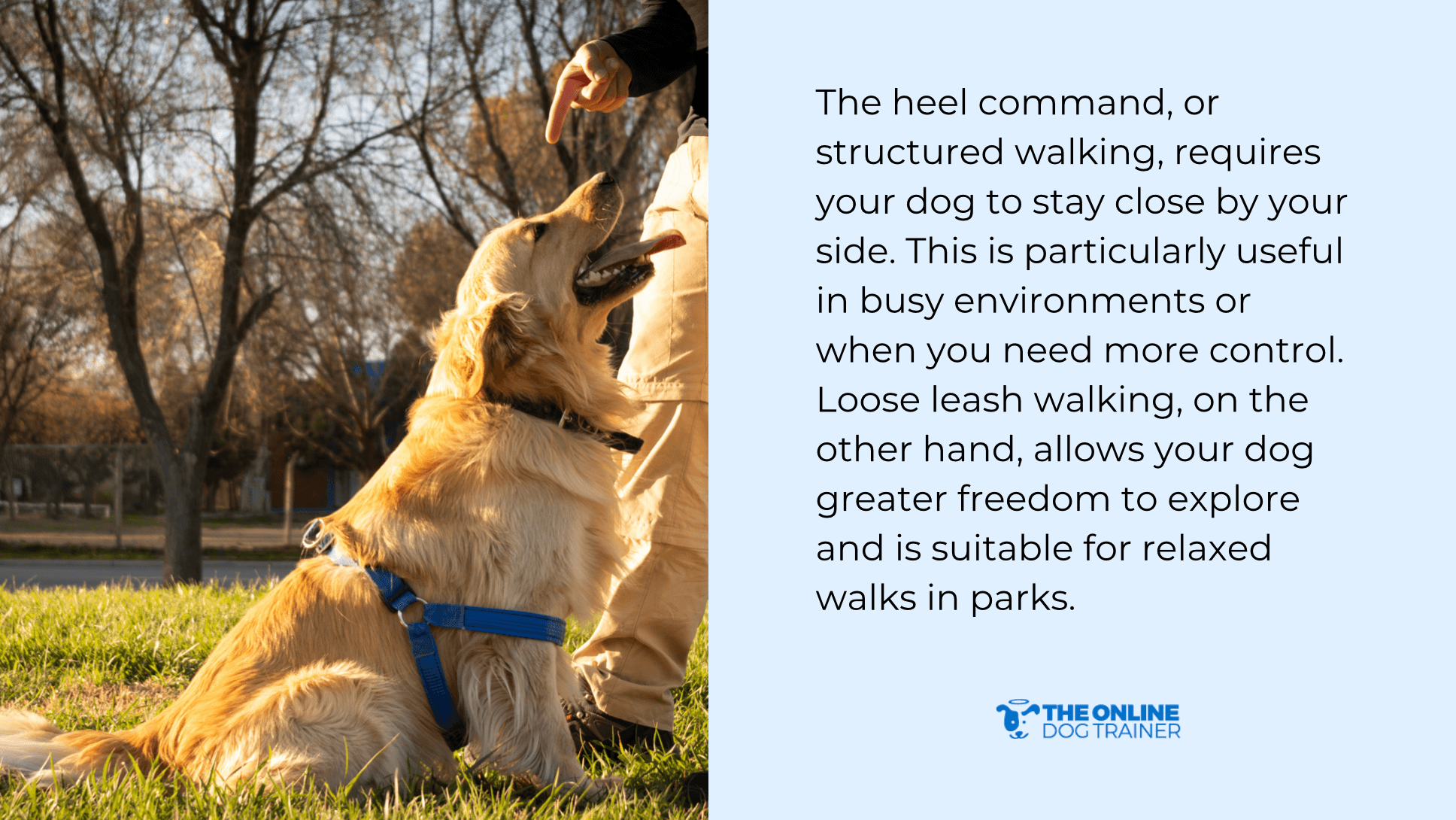
Credit: theonlinedogtrainer.com
Frequently Asked Questions
What Does “heel” Mean In Dog Training?
“Heel” means a dog walks close to its owner’s side without pulling.
Why Is Teaching A Dog To Heel Important?
It keeps dogs safe and well-controlled during walks and public outings.
How Do Dogs Learn The Heel Command?
Through consistent practice, treats, and praise when they stay by your side.
Can Any Dog Learn To Heel Properly?
Yes, all dogs can learn with patience and the right training methods.
How Long Does It Take To Train A Dog To Heel?
Training time varies but usually takes a few weeks of daily practice.
What Are Common Mistakes When Teaching A Dog To Heel?
Pulling the leash or inconsistent commands can confuse and delay learning.
Conclusion
Teaching a dog to heel builds trust and good manners. It helps your dog stay close and safe during walks. Heel means your dog walks by your side, paying attention to you. This simple command makes outings more enjoyable for both of you.
Practice often and be patient. Your dog will learn and respond better over time. Understanding heel strengthens your bond and improves communication. A well-trained dog feels happier and more secure. Keep training sessions short and fun to keep your dog interested.
Heel is a small word with big benefits for dogs and owners alike.
As an Amazon Associate, I earn from qualifying purchases.