Is your dog constantly jumping the fence and escaping your yard? You’re not alone—and it can be frustrating and even dangerous.
But don’t worry, there are simple steps you can take right now to stop this behavior. You’ll discover practical tips that work, so your dog stays safe and your peace of mind stays intact. Keep reading, because the solution is easier than you think.
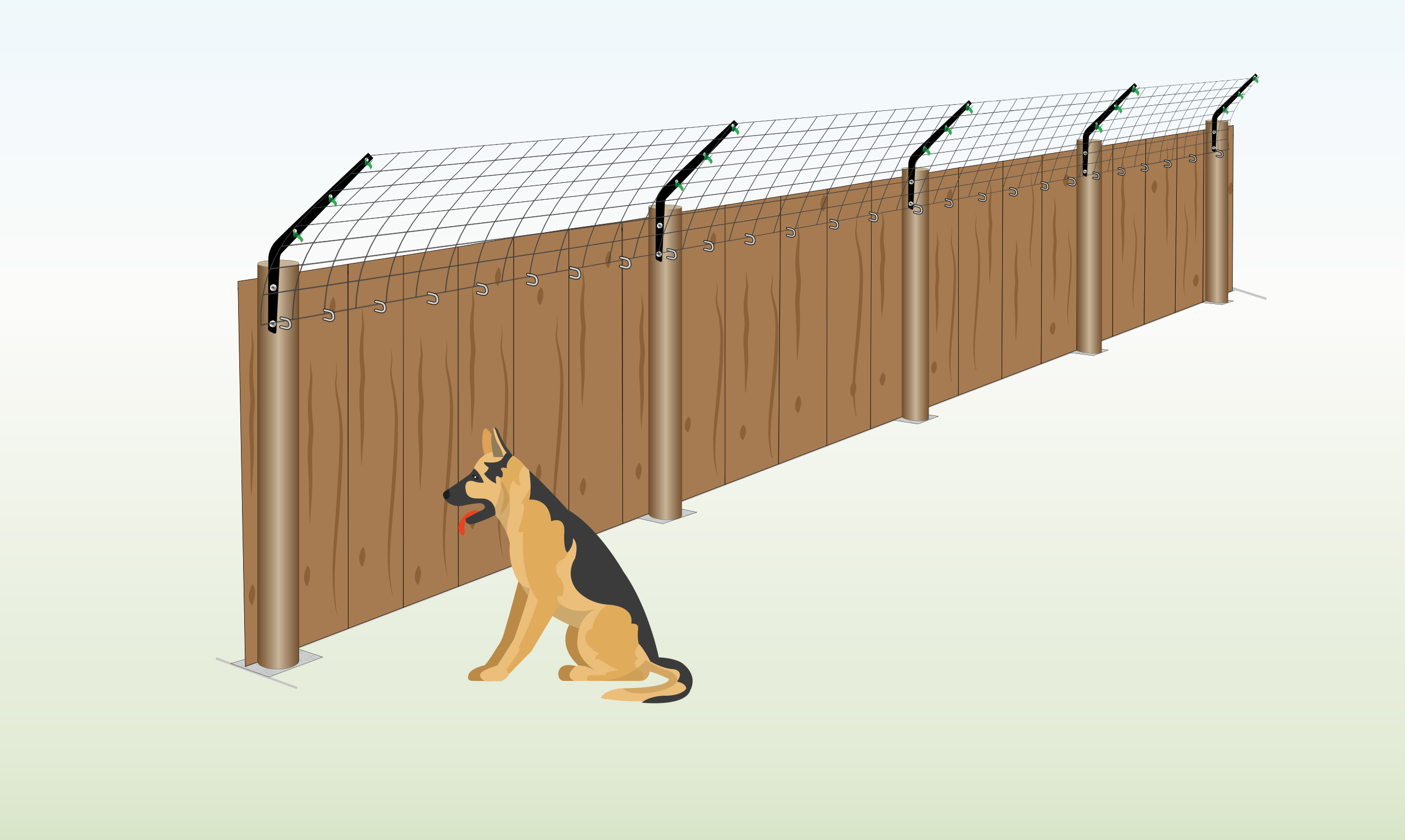
Credit: www.wirefence.co.uk
Reasons Dogs Jump Fences
Dogs jump fences for many reasons. Understanding these reasons helps stop this behavior. Each dog is different, but some common causes exist. Knowing why your dog jumps can improve training and safety.
Boredom And Lack Of Exercise
Dogs need physical activity and mental challenges. Without enough play or walks, they feel bored. Bored dogs find ways to entertain themselves. Jumping a fence can be a way to escape boredom. Regular exercise reduces the urge to jump out.
Seeking Attention
Dogs want attention from their owners. Sometimes, jumping the fence gets a reaction. Even negative attention can seem better than none. Dogs learn that jumping brings focus to them. Giving attention for good behavior helps stop this.
Chasing Or Exploring Instincts
Dogs have natural instincts to chase and explore. A moving car, animal, or sound can trigger this urge. Jumping fences lets dogs follow their curiosity. This behavior is strong in some breeds. Training can help control these instincts safely.
Assessing Your Fence
Checking your fence is the first step to stop your dog from jumping over. A strong, well-built fence keeps your dog safe and secure. Understanding your fence’s condition helps you find the best way to improve it. Look closely at the height, materials, and any weak points. Also, knowing the local rules about fences is important. This ensures your fence meets legal standards.
Fence Height And Material
Fence height is key to stopping a jumping dog. Most dogs need a fence at least six feet tall. Taller fences work better for active dogs. Materials matter too. Wood, metal, and vinyl all behave differently. Some materials are easier for dogs to climb or jump over. Choose strong materials that block your dog’s view. This reduces the chance of jumping.
Identifying Weak Spots
Look for weak spots in your fence. Loose boards or gaps can help your dog escape. Small holes may let small dogs squeeze through. Check the bottom of the fence for gaps. Dogs often dig to escape. Fix any damage right away. A solid fence has no easy exit points. Regular checks help keep your dog safe.
Legal Fence Requirements
Local laws may affect your fence height and type. Some areas have rules about fence height for safety. Others require certain materials or styles. Check your city or county regulations. Following these rules avoids fines or needing to rebuild. Legal fences protect you and your dog. Always make sure your fence follows the law.
Training Techniques
Training your dog to stop jumping the fence takes patience and consistency. Teaching proper behavior helps keep your dog safe and your yard secure. Training techniques focus on clear communication and rewards. They build trust between you and your dog.
Positive Reinforcement
Positive reinforcement means rewarding good behavior. Give treats or praise when your dog stays away from the fence. This encourages your dog to repeat the behavior. Avoid punishment, as it can cause fear or confusion. Rewards make learning fun and effective.
Teaching Boundaries
Teaching boundaries shows your dog where it can and cannot go. Use a leash to guide your dog near the fence. Stop them gently if they try to jump. Walk the boundary often to help your dog learn limits. Clear boundaries reduce fence jumping over time.
Using Commands Effectively
Use simple commands like “stay” or “leave it” near the fence. Practice these commands in different situations daily. Always reward your dog for obeying commands. Consistent use of commands builds good habits. Your dog learns to listen and respect rules.
Environmental Adjustments
Changing the environment around your yard can stop your dog from jumping the fence. Small changes can make a big difference. Dogs respond well to clear barriers and distractions. Adjustments help reduce their urge to escape or explore beyond the yard. These changes keep your dog safe and happy.
Adding Barriers
Adding barriers makes it harder for dogs to jump fences. Taller fences block their way. You can add fence toppers or angled extensions. These stop dogs from climbing over. Also, planting thick bushes near the fence can act as a natural barrier. Barriers guide dogs to stay inside the yard.
Using Visual Deterrents
Visual deterrents catch your dog’s attention and stop fence jumping. Reflective tape or flags near the fence work well. Dogs dislike sudden movements or shiny objects. Motion-activated sprinklers also scare dogs away from the fence. These deterrents make the fence area less inviting.
Creating A Dog-friendly Yard
Making your yard fun keeps your dog busy and less likely to jump. Add toys, digging spots, and play areas. Give your dog enough exercise and mental games. A happy dog stays in the yard and feels safe. Comfortable space means less need to escape.
Exercise And Mental Stimulation
Exercise and mental stimulation help keep dogs calm and happy. Dogs with enough activity and mental challenges jump fences less. They burn off extra energy and feel less bored. This lowers their urge to escape or explore outside the yard.
Regular physical and mental exercise also builds trust between you and your dog. A tired dog is a good dog. Your dog will enjoy staying in the yard if it feels content and busy.
Daily Physical Activity
Take your dog for walks or runs each day. Play fetch or tug-of-war to use up energy. Even short bursts of exercise help. A well-exercised dog is less likely to jump fences.
Interactive Toys And Games
Use toys that challenge your dog’s mind. Puzzle feeders or treat-dispensing toys keep dogs busy. These toys reduce boredom and stop fence jumping. Change toys often to keep your dog interested.
Socialization With Other Dogs
Let your dog play with other dogs safely. Social time helps release energy and stress. Dogs that socialize well are calmer at home. This lowers their chance of fence jumping.

Credit: ringdogrescue.org
Professional Help And Tools
Stopping a dog from jumping the fence can be challenging. Professional help and the right tools can make this task easier and safer. Experts have the knowledge to train your dog properly. The right equipment can keep your dog secure without stress.
Hiring A Trainer
A professional dog trainer understands your dog’s behavior. Trainers use positive methods to teach your dog to stay inside. They create a plan based on your dog’s needs and temperament. Trainers can show you how to reinforce good behavior at home. This support helps your dog learn faster and stay safe.
Electronic Fence Options
Electronic fences use mild signals to keep dogs inside boundaries. These systems include a collar and a boundary wire. When the dog nears the edge, the collar gives a warning signal. The signal stops if the dog moves away from the fence. This method helps dogs learn limits without physical barriers.
Using Leashes And Tethers Safely
Leashes and tethers can keep your dog near you or in one spot. Use strong, comfortable leashes made for dogs. Avoid tying tethers too short or in dangerous places. Always supervise your dog when using these tools. Proper use prevents accidents and helps your dog feel secure.
Safety Considerations
Stopping a dog from jumping the fence is not only about keeping your pet safe. It also means protecting neighbors, other animals, and your property. Safety should always be a top priority. Understanding safety helps you create a secure environment for your dog and others.
Preventing Injuries
Dogs can hurt themselves while trying to jump fences. They might fall or get stuck. Sharp edges or broken fence parts can cause cuts or bruises. Check the fence regularly for damage. Fix any sharp or loose parts quickly. Use soft ground near the fence to reduce injury risks.
Neighborhood Awareness
Jumping dogs can scare neighbors and other pets. This can lead to conflicts or accidents. Talk to neighbors about your dog’s behavior. Make sure your dog does not disturb others. Respect local rules about pets and fences. A calm neighborhood keeps everyone safer and happier.
Monitoring Your Dog Outdoors
Watch your dog closely when outside. Supervision helps stop fence jumping early. Training your dog to stay away from the fence is easier with your help. Use toys or treats to keep your dog busy. Regular checks reduce the chance of accidents or escapes.

Credit: www.youtube.com
Frequently Asked Questions
How Can I Stop My Dog From Jumping The Fence?
Teach your dog to stay using commands and reward calm behavior near the fence.
What Fence Height Is Best To Prevent Dog Jumping?
A fence at least 6 feet tall usually stops most dogs from jumping over.
Can Training Alone Stop A Dog From Jumping Fences?
Training helps a lot but works best combined with physical barriers like taller fences.
Does Adding A Fence Topper Prevent Dogs From Jumping?
Fence toppers or angled extensions make it harder for dogs to climb or jump out.
How Do I Keep My Dog Entertained To Avoid Fence Jumping?
Provide toys, exercise, and attention to reduce boredom that causes jumping behavior.
Should I Use Deterrents To Stop My Dog Jumping Fences?
Deterrents like noise or harmless sprays can discourage dogs from trying to jump fences.
Conclusion
Stopping a dog from jumping the fence takes time and patience. Consistent training helps your dog learn boundaries. Use barriers or make the fence higher for safety. Give your dog enough exercise to reduce restless behavior. Reward good actions to encourage positive habits.
Stay calm and gentle during training sessions. Your dog will feel more secure and less likely to jump. Small steps lead to big changes. Keep trying, and your dog will stay safe inside the yard.
As an Amazon Associate, I earn from qualifying purchases.