Has your furry friend been acting a little different lately? Maybe they’re eating less or pawing at their mouth.
These could be signs that your dog is dealing with tooth pain. But how can you be sure? Understanding the subtle clues your dog gives can make a big difference in their comfort and health. Keep reading to learn how to spot the signs of dental pain early and help your dog feel better fast.
Common Causes Of Tooth Pain In Dogs
Tooth pain in dogs is common and can cause serious discomfort. Knowing the causes helps catch problems early. Dogs cannot tell us when they hurt. Watching for signs and understanding causes is key to their health.
Dental Disease
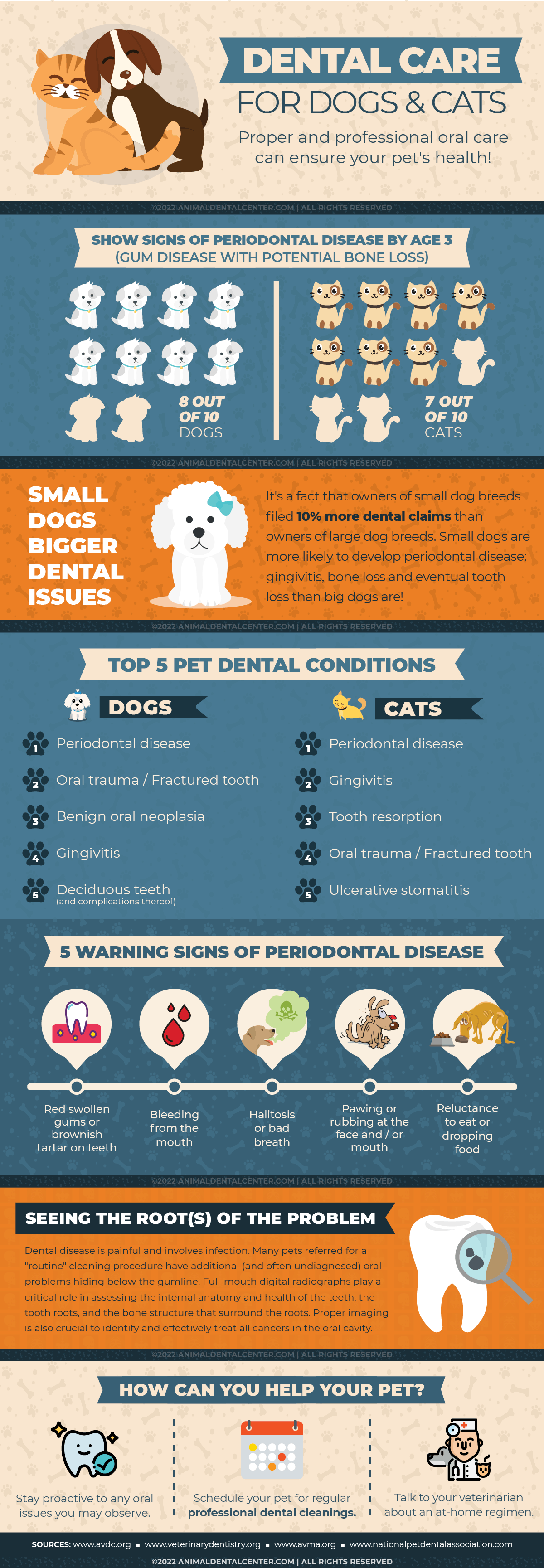
Dental disease is the top cause of tooth pain in dogs. Plaque and tartar build up on teeth. This leads to inflammation and infection. Untreated dental disease can cause tooth loss. Regular cleaning and vet checks prevent this pain.
Injuries And Trauma
Dogs can hurt their teeth by chewing hard objects. Falls or accidents also cause tooth trauma. Cracked or broken teeth cause sharp pain. These injuries need quick care to avoid infection and more pain.
Tooth Decay And Cavities
Tooth decay happens when bacteria damage the tooth surface. Cavities form and cause deep pain. Dogs with poor dental care are at higher risk. Early detection prevents serious damage.
Gum Infections
Gum infections, or gingivitis, cause swollen, red gums. The infection can spread to the tooth roots. This leads to severe pain and tooth loss. Good oral hygiene helps keep gums healthy and pain-free.
Credit: www.animaldentalcenter.com
Behavioral Signs Of Tooth Pain
Dogs cannot tell us when they have tooth pain. They show it through behavior. Watching these signs helps you notice problems early. Catching tooth pain early can prevent bigger health issues. Here are common behaviors that may indicate tooth pain in dogs.
Changes In Eating Habits
Dogs with tooth pain often eat less or slower. They may drop food from their mouth. Chewing on one side only is common. Some dogs avoid hard food or treats. These changes show discomfort during eating.
Excessive Drooling
More drool than usual can mean tooth pain. Pain causes saliva to build up. Drooling may be constant or happen while eating. Watch for thick or bloody saliva too. This sign needs careful attention.
Pawing At The Mouth
Pawing or rubbing their face is a clear sign. Dogs try to soothe pain by touching their mouth. Look for scratching or rubbing on furniture. This behavior often comes with whining or restlessness.
Reluctance To Play Or Chew
Dogs in pain may avoid toys or bones. Chewing hurts, so they stop playing with chew toys. They may seem less energetic or happy. This change shows discomfort and needs checking.
Physical Indicators To Look For
Dogs cannot tell us when their teeth hurt. Watching for physical signs helps catch pain early. These signs show that your dog may have tooth problems. Acting fast can prevent serious issues.
Bad Breath
Bad breath is one of the first signs of tooth pain. It happens when bacteria build up in the mouth. A strong, unpleasant smell is a red flag. Regularly check your dog’s breath to notice changes.
Swollen Or Bleeding Gums
Swollen gums look puffy and red. They may bleed when your dog eats or chews. This shows inflammation or infection. Healthy gums should be pink and firm, not swollen or soft.
Visible Tooth Damage
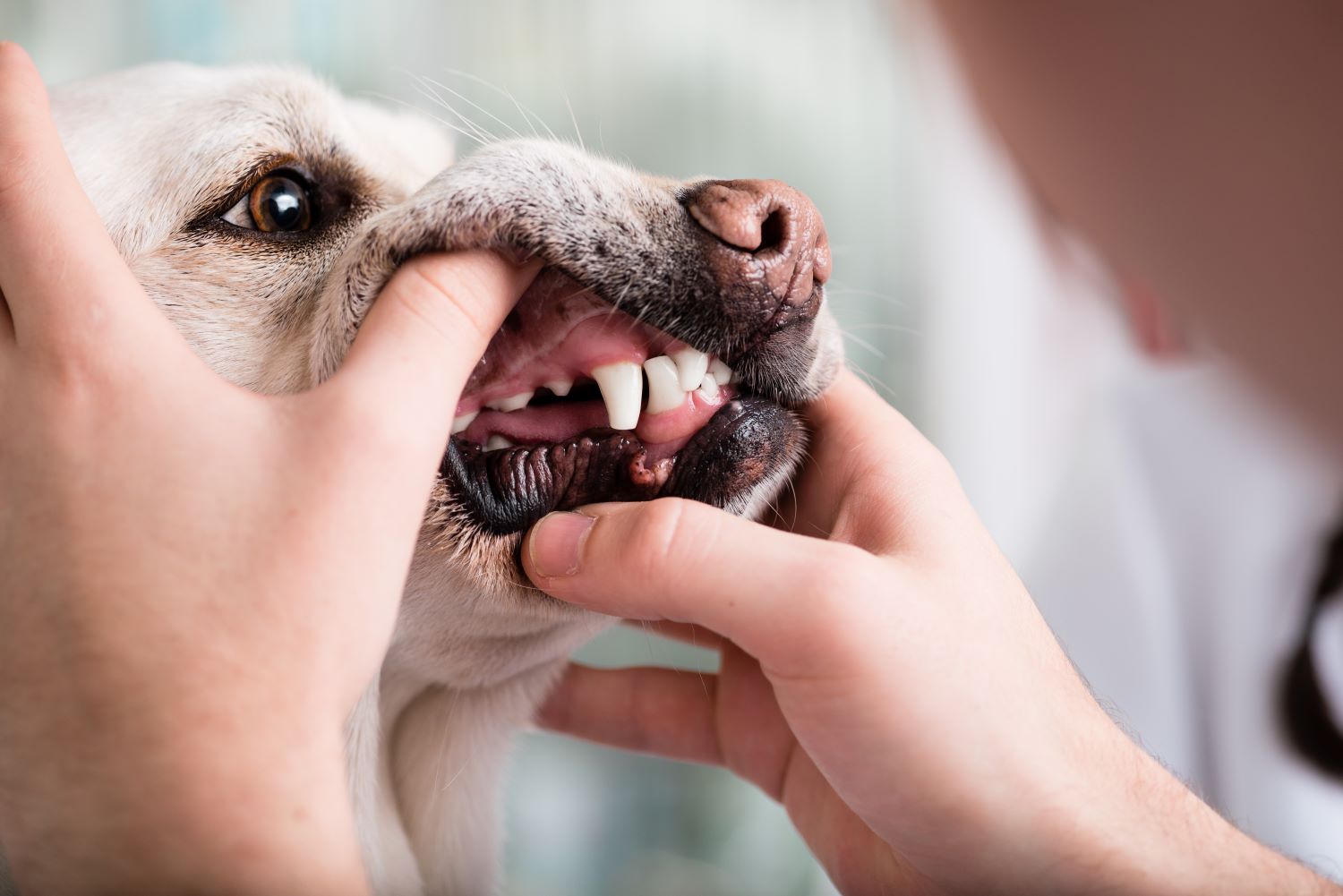
Look for cracked, broken, or loose teeth. Missing pieces can hurt and cause pain. Discolored teeth may mean decay. Check your dog’s mouth gently to spot these problems early.
Facial Swelling
Swelling on the face near the mouth signals a deep infection. It may look like a bump or lump. This swelling can be painful to touch. Immediate vet care is important to avoid worse pain.
Credit: petfolk.com
How To Perform A Basic Oral Check
Performing a basic oral check on your dog helps find signs of tooth pain early. Regular checks keep your dog’s mouth healthy. You can spot problems before they get worse. This simple routine takes little time and can save your dog discomfort.
Preparing Your Dog
Choose a quiet, calm place with good light. Sit where your dog feels safe and relaxed. Speak softly to keep your dog calm. Have treats ready for rewards. Gently pet your dog to build trust. Slowly lift the lips to show the teeth. Stop if your dog seems scared or upset.
What To Inspect
Look at your dog’s teeth and gums closely. Check for red, swollen, or bleeding gums. Notice any bad smell coming from the mouth. Watch for broken, loose, or missing teeth. Look for white or yellow buildup on teeth. See if your dog pulls away or shows pain.
When To Stop And Seek Help
Stop the check if your dog shows strong pain signs. Growling, snapping, or trying to bite means stop immediately. If you see swelling or pus, get veterinary help. Any bleeding that does not stop needs care. Tooth pain can cause serious problems. A vet can give the right treatment safely.
When To Visit The Veterinarian
Knowing when to visit the veterinarian is key to your dog’s dental health. Tooth pain can worsen quickly without care. Early visits help stop serious problems. Watch your dog’s behavior and mouth closely. Acting fast protects their comfort and health.
Emergency Signs
Watch for sudden bleeding from the mouth. Excessive drooling can mean pain or infection. If your dog stops eating or cries out, seek help. Swelling around the face or jaw needs urgent care. Broken or loose teeth are serious and need quick attention.
Regular Dental Checkups
Schedule dental exams at least once a year. Vets check for hidden problems you might miss. Cleanings remove plaque that causes pain and infection. Regular checkups keep your dog’s teeth strong. Early detection saves money and discomfort later.
Treatment Options
Treatment depends on the cause of pain. Minor issues may need cleaning or medicine. Severe problems might require tooth extraction or surgery. Your vet will explain the best care plan. Follow their advice for faster healing and comfort.
Preventing Tooth Pain In Dogs
Preventing tooth pain in dogs starts with good daily habits. Healthy teeth help dogs eat well and stay happy. Avoiding dental problems saves your dog from pain and costly treatments. Small steps every day make a big difference in dental health.
Daily Dental Care
Brush your dog’s teeth every day. Use a soft toothbrush made for dogs. Choose toothpaste with flavors your dog likes. Brushing removes plaque and prevents tartar build-up. Clean teeth reduce the risk of tooth pain and gum disease.
Choosing The Right Chews And Toys
Select chews and toys that help clean teeth. Hard rubber toys and dental chews can reduce plaque. Avoid very hard items that can break teeth. Chewing keeps gums strong and teeth cleaner. Watch your dog to ensure safe chewing habits.
Diet And Nutrition Tips
Feed a balanced diet with nutrients for healthy teeth. Dry kibble can help scrape off plaque better than wet food. Add dental treats designed to reduce tartar. Avoid sugary snacks that harm teeth. Proper nutrition supports strong teeth and gums.

Credit: www.toe-beans.com
Frequently Asked Questions
How Can I Tell If My Dog Has Tooth Pain?
Look for signs like drooling, bad breath, pawing at the mouth, or difficulty eating.
What Are Common Symptoms Of Dog Tooth Pain?
Symptoms include swollen gums, bleeding, bad breath, and a change in chewing habits.
Why Does My Dog Stop Eating Suddenly?
Tooth pain or mouth injury can make chewing painful, causing your dog to avoid food.
Can Tooth Pain Cause Behavior Changes In Dogs?
Yes, dogs may become irritable, withdrawn, or less active due to dental pain.
How Often Should I Check My Dog’s Teeth For Pain?
Check your dog’s teeth weekly for signs of pain or damage to catch problems early.
When Should I Take My Dog To The Vet For Tooth Pain?
Visit the vet if your dog shows swelling, bleeding, or refuses to eat for more than two days.
Conclusion
Dogs cannot tell us when their teeth hurt. Watch for signs like drooling, bad breath, or chewing less. Check their mouth gently for redness or swelling. Pain can make them shy or grumpy. Visit a vet quickly to avoid bigger problems.
Healthy teeth mean a happy dog. Regular brushing and vet visits keep pain away. Stay alert to your dog’s behavior. Catch tooth pain early. Help your dog feel good again.
As an Amazon Associate, I earn from qualifying purchases.