Are prairie dogs causing chaos in your yard? Their burrows can damage your lawn, and their constant digging might be driving you crazy.
You want a solution that actually works, without harming your garden or other wildlife. You’ll discover simple and effective ways to get rid of prairie dogs for good. Keep reading to protect your outdoor space and enjoy a peaceful, prairie dog-free yard.

Credit: www.denverpost.com
Identify Prairie Dog Activity
Identifying prairie dog activity is the first step in managing their presence. Knowing how to spot their signs and understanding where they live helps you take action early. This section explains how to recognize prairie dog activity clearly and quickly.
Signs Of Presence
Look for small holes in the ground. These holes are entrances to prairie dog burrows. You may see piles of dirt near these holes. Prairie dogs leave paths made by walking through grass and dirt. Listen for high-pitched barking sounds. These sounds are warning calls. You might spot prairie dogs themselves. They often sit up on their hind legs, watching around.
Common Habitats
Prairie dogs prefer open areas with short grass. They live in fields, prairies, and pastures. They dig burrows in flat or gently sloping land. Avoid rocky or heavily wooded places. They need space to see predators from far away. Their colonies can spread over many acres. Check areas near farms and ranches. These spots offer food and space for them.
Assess The Problem
Before taking any steps to remove prairie dogs, it is important to assess the problem carefully. Understanding the situation helps you choose the best method to handle the issue. Start by looking at the extent of the damage and knowing the legal rules about prairie dogs in your area. This careful check saves time and avoids trouble.
Damage Evaluation
Check your yard or garden for holes and tunnels made by prairie dogs. Look for signs like bare patches of dirt or damaged plants. These animals dig extensive burrows that can harm your lawn and weaken the ground. Note how many burrows you find and how large the affected area is. This helps you understand how serious the problem is.
Legal Considerations
Prairie dogs may be protected by law in some places. It is important to know the rules before you act. Contact local wildlife offices or check official websites for regulations. Some areas require permits to remove or relocate prairie dogs. Following the law keeps you safe from fines or penalties.
Natural Deterrents
Natural deterrents offer a gentle way to keep prairie dogs away. They work by making the area less attractive or uncomfortable for these animals. Using natural methods helps protect your garden without chemicals. This approach supports the environment and the health of nearby wildlife.
Plant-based Repellents
Some plants have strong smells that prairie dogs dislike. Planting garlic, onions, or marigolds near their burrows can help. The smell keeps prairie dogs from coming close. These plants are easy to grow and care for. They add beauty to your garden and keep pests away.
Predator Scents
Prairie dogs avoid places where predators are near. Using scents from animals like foxes or coyotes scares them off. You can buy predator scent sprays at garden stores. Apply these sprays around burrows and garden edges. The smell tricks prairie dogs into thinking danger is near.
Physical Barriers
Physical barriers stop prairie dogs from entering your garden or yard. They create a tough line that these animals cannot cross. This method is safe and does not harm the animals. It keeps your space clean and free from digging damage.
Fencing Options
Use strong wire mesh fences around your property. The fence should be at least 3 feet tall. Bury the bottom 6 to 12 inches underground to block digging. Choose small mesh sizes, like 1-inch squares. This prevents prairie dogs from squeezing through holes.
Metal or hardware cloth fences work best. Wooden fences may not stop digging animals. Check fences often for holes or weak spots. Repair them quickly to keep prairie dogs out.
Burrow Sealing Techniques
Find all prairie dog holes and entrances. Fill the holes with dirt, rocks, or sand. Pack the material tightly to block access. Use heavy objects like bricks on top to keep holes closed.
Sealing burrows stops prairie dogs from returning underground. Do this during the day when animals are outside. Avoid sealing active burrows with animals inside. Wait until you see no prairie dog activity.
Trapping Methods
Trapping is one of the most effective ways to control prairie dog populations. It helps capture them safely and remove them from your land. Using traps requires care and patience to avoid harm to the animals and to yourself.
Live Traps
Live traps catch prairie dogs without hurting them. These traps are metal cages with a door that closes once the animal enters. Bait like peanut butter or vegetables attracts prairie dogs inside. Check the traps often to avoid stress or injury to the trapped animal. Place traps near prairie dog burrows for best results.
Humane Relocation
After catching prairie dogs, humane relocation is key. Move the animals far from your property to a safe, suitable habitat. Avoid releasing them near other homes or farms. Relocation helps protect prairie dogs and prevents them from returning. Always follow local rules about moving wildlife.
Chemical Solutions
Chemical solutions are a common choice for getting rid of prairie dogs. These methods use rodenticides to control the population effectively. Using chemicals can be faster than traps or natural deterrents. But safety is very important. Chemicals must be chosen and applied carefully to protect pets, children, and other wildlife. Always follow product instructions closely to avoid risks.
Safe Rodenticides
Choose rodenticides labeled for prairie dog control. Look for products with clear safety instructions. Use only approved chemicals to reduce harm to other animals. Avoid banned or highly toxic substances. Some safer options include baits with anticoagulants. These cause prairie dogs to stop feeding and die slowly. This reduces suffering and risk of poisoning other animals. Check local laws before buying or using any rodenticide.
Application Tips
Apply chemicals near prairie dog burrows. Use gloves and protective gear to avoid contact. Place bait in covered stations to protect pets and birds. Replace bait regularly to keep it fresh and effective. Avoid spreading chemicals on open ground. Monitor treated areas for activity after application. Clean up any leftover bait safely. Never apply chemicals during windy or rainy weather. This prevents spread to unwanted places and reduces effectiveness.
Preventive Measures
Preventing prairie dogs from settling in your yard saves time and effort later. Taking steps early stops them from causing damage. Prevention is easier than dealing with a full infestation. Here are simple ways to keep prairie dogs away.
Landscaping Adjustments
Changing your yard’s layout can make it less welcoming. Remove plants that prairie dogs like to eat. Keep grass short to reduce hiding spots. Plant tough shrubs with thick branches. These plants block prairie dogs from moving freely. Avoid loose soil where they can dig easily. Use rocks or mulch to cover bare ground. These changes discourage prairie dogs from making burrows.
Regular Monitoring
Check your yard often for signs of prairie dogs. Look for fresh holes or droppings. Early detection helps stop them from multiplying. Walk around weekly, especially near fences and gardens. Use a flashlight to spot activity at dusk. Act fast if you see new burrows. Keeping an eye on your property keeps prairie dogs away longer.
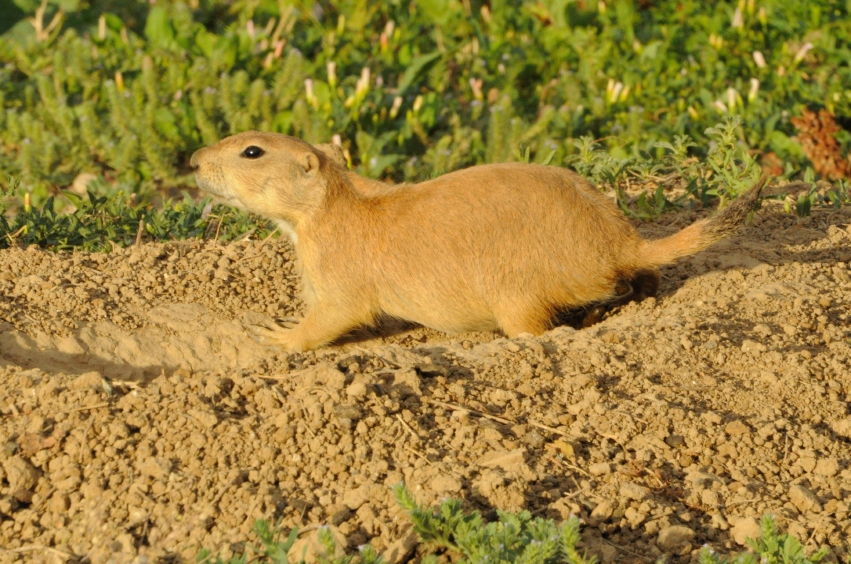
Credit: natures-defense.com
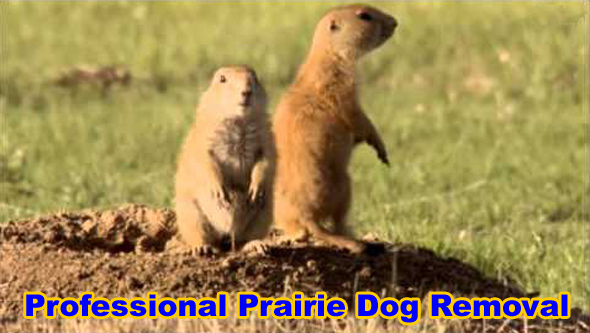
Credit: www.aaanimalcontrol.com
Frequently Asked Questions
How Do Prairie Dogs Affect My Garden?
Prairie dogs dig tunnels that can damage plants and make lawns uneven.
What Is The Safest Way To Remove Prairie Dogs?
Use live traps and relocate them far from your property.
Can Poison Effectively Control Prairie Dog Populations?
Poison is risky and may harm pets, wildlife, and the environment.
How Do I Prevent Prairie Dogs From Returning?
Seal burrows and remove food sources like grass and seeds nearby.
Are Prairie Dogs Protected By Law?
In some areas, prairie dogs have protection. Check local wildlife rules first.
How Long Does It Take To Get Rid Of Prairie Dogs?
It usually takes several weeks of consistent trapping and exclusion efforts.
Conclusion
Prairie dogs can cause damage to your yard and garden. Taking quick action helps protect your property. Use safe and humane methods to remove them. Keep your outdoor space clean and free of food sources. Regularly check for new burrows or signs of activity.
Patience and persistence are key to success. With care, you can manage prairie dogs effectively. Stay consistent, and your yard will stay safe and healthy.
As an Amazon Associate, I earn from qualifying purchases.