How often should you brush your dog? If you’ve ever wondered about the best routine to keep your furry friend healthy and happy, you’re not alone.
Brushing isn’t just about keeping your dog looking good—it plays a big role in their overall well-being. But how do you know when it’s enough, or if you’re brushing too much? You’ll discover simple, clear answers that will make caring for your dog’s coat easier and more effective.
Keep reading to find out the perfect brushing schedule tailored just for your dog.

Credit: www.petco.com
Benefits Of Regular Brushing
Brushing your dog regularly offers many health benefits. It keeps your pet comfortable and happy. Regular brushing supports a shiny coat and healthy skin. It also helps you spot any skin problems early.
Brushing is not just about looks. It plays a key role in your dog’s overall well-being. The following points explain why regular brushing is important.
Improves Coat Health
Brushing removes dirt and loose hair from your dog’s coat. It spreads natural oils across the fur. These oils keep the coat soft and shiny. A clean coat reduces the risk of skin infections. Regular brushing helps maintain a healthy and beautiful coat.
Reduces Shedding
Brushing catches loose hair before it falls on your floor. It controls shedding by removing dead hair. Less hair around your home means less cleaning. Regular brushing helps keep your dog’s shedding under control. It also helps your dog feel more comfortable.
Prevents Matting
Matting happens when hair tangles and clumps together. Brushing breaks up these tangles early. It stops painful mats from forming on your dog’s skin. Mats can cause skin irritation and infection. Regular brushing keeps your dog’s coat smooth and tangle-free.
Enhances Skin Circulation
Brushing stimulates blood flow beneath the skin. Better circulation helps skin stay healthy and strong. It supports faster healing of minor cuts or scrapes. Brushing also feels good to your dog and reduces stress. This simple action promotes overall skin health.
Factors Affecting Brushing Frequency
Brushing your dog is important for their health and comfort. The right brushing frequency depends on several factors. These factors help decide how often you should brush your dog to keep their coat clean and healthy.
Breed And Coat Type
Different breeds have different coat types. Some have short hair, while others have long or curly fur. Dogs with long or thick coats need brushing more often. This stops mats and tangles. Short-haired dogs may need brushing only once a week.
Age And Health Conditions
Older dogs or those with health problems may need gentler care. Some health issues affect the skin and coat. Brushing too hard can hurt sensitive skin. Adjust brushing frequency and method to your dog’s condition.
Seasonal Changes
Dogs shed more during certain seasons, especially in spring and fall. Brushing more often helps remove loose hair. It keeps your dog comfortable and your home cleaner. Less shedding means less mess.
Activity Level
Active dogs get dirt and debris in their coat easily. Dogs that play outside need more frequent brushing. This removes dirt, leaves, and sticks. It also helps check for ticks or other pests after outdoor time.
Brushing Schedule For Different Coats
Brushing your dog’s coat depends on its type and length. Each coat needs a different care plan. Following the right brushing schedule keeps your dog healthy and comfortable.
Regular brushing removes dirt, loose hair, and prevents mats. It also helps spread natural oils for a shiny coat. Let’s see the best brushing times for different coats.
Short-haired Dogs
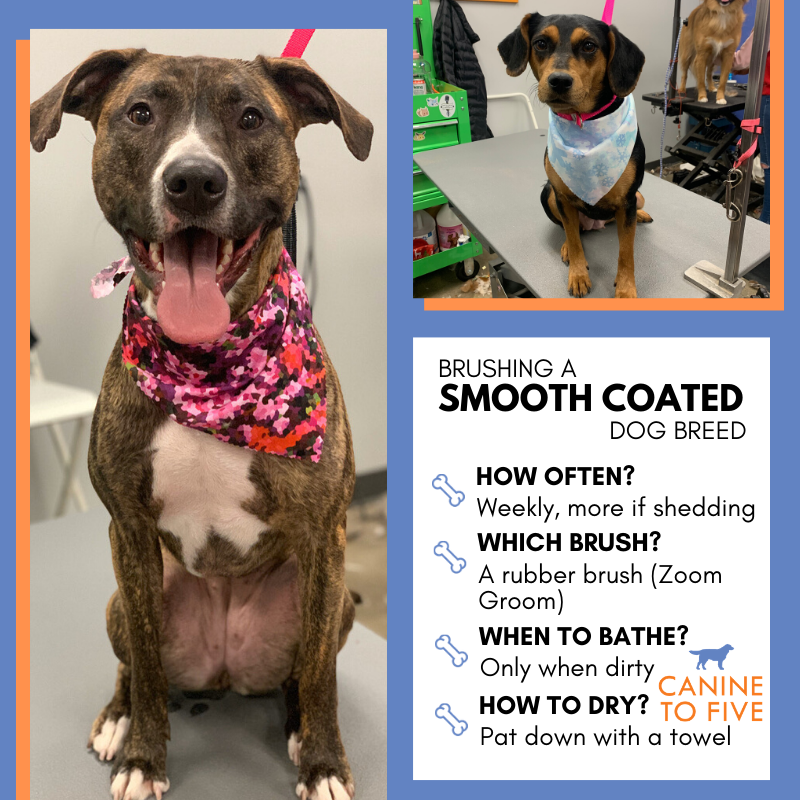
Short-haired dogs need brushing once a week. Their coats are smooth and close to the skin. Brushing helps remove loose hair and dirt. It also keeps their skin healthy. Use a soft-bristle brush for gentle care.
Medium-haired Dogs
Medium-haired dogs require brushing two to three times a week. Their fur is thicker and longer than short-haired dogs. Brushing prevents tangles and mats from forming. Use a slicker brush or comb for best results.
Long-haired Dogs
Long-haired dogs need daily brushing. Their coats can easily tangle and form mats. Regular brushing keeps their hair smooth and clean. Use a wide-tooth comb and a slicker brush. Check for knots and remove them gently.
Curly And Double-coated Breeds
Curly and double-coated dogs need brushing three to five times a week. Their coats can trap dirt and shed heavily. Brushing helps remove loose hair and prevents mats. Use a de-shedding tool or a slicker brush for best care.
Choosing The Right Brush
Choosing the right brush for your dog is important for their coat health. Different brushes suit different coat types. Using the right brush makes grooming easier and more effective. It helps remove dirt, loose hair, and prevents matting. Below are common brushes you can use for your dog.
Bristle Brushes
Bristle brushes work well for short-haired dogs. They have firm, close-set bristles. These brushes remove loose hair and dirt. They also stimulate the skin, spreading natural oils. Bristle brushes keep your dog’s coat shiny and clean.
Slicker Brushes
Slicker brushes have fine, short wires close together. These work best for dogs with curly or wavy fur. They remove tangles and mats gently. Slicker brushes help keep the coat smooth. Use them carefully to avoid hurting your dog’s skin.
Undercoat Rakes
Undercoat rakes remove loose undercoat fur. Dogs with thick double coats benefit from these. They help reduce shedding and matting. Use the rake slowly and gently. This brush reaches deep layers of fur without pain.
Pin Brushes
Pin brushes look like hairbrushes for people. They have long, rounded pins spaced apart. Pin brushes work well for medium to long fur. They detangle and smooth the coat gently. This brush is gentle on sensitive skin and fluffy coats.
Step-by-step Brushing Techniques
Brushing your dog regularly keeps their coat clean and healthy. It also helps reduce shedding and prevents mats. Follow clear steps to make brushing easy and pleasant for your pet.
Preparing Your Dog
Find a quiet place with good light. Let your dog relax and feel calm. Use gentle voice tones to comfort them. Have the right brush ready for their coat type. Check your dog’s skin for cuts or irritation before you start.
Brushing Direction And Pressure
Brush in the direction of hair growth. Use slow, smooth strokes to avoid hurting your dog. Apply gentle pressure, enough to remove dirt and loose hair. Stop if your dog shows signs of discomfort or pain. Focus on one small area at a time.
Dealing With Tangles
Use your fingers first to loosen mats carefully. Then use a wide-toothed comb or detangling brush. Work on small sections, not the whole coat at once. Never pull hard on tangles; it can hurt your dog. Patience is key to removing knots safely.
Post-brushing Care
Give your dog a treat to reward good behavior. Check the coat for missed spots or dirt. Clean the brush to remove hair and debris. Praise your dog with kind words and petting. Regular brushing strengthens your bond and keeps your dog happy.
Credit: www.caninetofive.com
Signs You Should Brush More Often
Brushing your dog regularly helps keep their coat clean and healthy. Some signs show you need to brush your dog more often. Watch for these signs to keep your dog comfortable and happy.
Excessive Shedding
Shedding is normal, but too much hair falling out is a warning. More brushing helps remove loose fur before it spreads around your home. It also stops hair from tangling on your dog’s skin.
Skin Irritation
Red, itchy, or dry skin shows your dog needs more brushing. Brushing spreads natural oils that keep skin soft and moist. It also removes dirt and dead skin that cause irritation.
Visible Matting
Mats are tight clumps of hair that can hurt your dog. They pull on the skin and cause pain. Regular brushing stops mats from forming and keeps the coat smooth.
Unpleasant Odor
A bad smell from your dog’s coat means dirt and oils build up. Brushing often cleans the coat and reduces odor. It helps your dog smell fresh and feel better.
Common Brushing Mistakes To Avoid
Brushing your dog is important for their health and comfort. Many dog owners make common brushing mistakes that can hurt their pet or reduce the benefits of grooming. Avoiding these errors helps keep your dog’s coat clean and shiny. It also makes brushing a pleasant experience for both of you.
Brushing Too Hard
Brushing your dog with too much force can hurt their skin. Dogs have sensitive skin that can easily get scratched or irritated. Use gentle strokes and soft brushes. Let your dog get used to the touch slowly. This makes brushing safe and enjoyable.
Ignoring Sensitive Areas
Some parts of your dog’s body need extra care. Areas like behind the ears, under the legs, and around the tail can get tangled or dirty. Avoid skipping these spots. Careful brushing here prevents mats and skin problems. Be gentle and patient to avoid causing discomfort.
Skipping Regular Sessions
Brushing your dog only sometimes is not enough. Dirt and loose hair build up fast. Regular brushing removes dead hair and dirt before mats form. It also helps check for ticks or skin issues early. Set a routine that fits your dog’s coat type and needs.
Using The Wrong Tools
Different dog breeds need different brushes. Using the wrong tool can damage your dog’s fur or skin. For example, a slicker brush may be too harsh for a short-haired dog. Choose brushes made for your dog’s coat type. Proper tools make brushing easier and more effective.
Credit: mendocinoanimalhospital.net
Frequently Asked Questions
How Often Should I Brush My Dog’s Coat?
Most dogs benefit from brushing 2-3 times a week to keep their coat clean and healthy.
Does Brushing Help Prevent Dog Hair Mats?
Yes, regular brushing stops mats and tangles by removing loose hair and dirt early.
Can Brushing Reduce Dog Shedding At Home?
Brushing removes loose fur, which lowers shedding and keeps your home cleaner.
What Brush Type Suits Different Dog Coats?
Use slicker brushes for long hair and bristle brushes for short coats.
How Long Should Each Dog Brushing Session Last?
Brushing sessions can last 5 to 15 minutes, depending on your dog’s coat type.
Is Brushing Good For My Dog’s Skin Health?
Brushing boosts blood flow and spreads natural oils, which helps keep skin healthy.
Conclusion
Brushing your dog regularly keeps their coat clean and healthy. Most dogs benefit from brushing two to three times a week. Dogs with long or thick fur may need daily brushing. Short-haired dogs usually need less frequent care. Watch your dog’s skin and fur to know what works best.
Brushing also helps you spot any skin problems early. Make brushing a calm and positive time for your dog. This simple habit supports their health and comfort every day.
As an Amazon Associate, I earn from qualifying purchases.