Are you worried about the cost of a C-section for your dog? Whether your furry friend is expecting puppies or facing complications, knowing the price ahead can help you prepare both emotionally and financially.
You want the best care without surprises on the bill. You’ll discover what factors affect the cost, what to expect during the procedure, and how to plan for your dog’s health and safety. Keep reading to make sure you’re ready to support your dog when she needs it most.
Credit: www.cliniciansbrief.com
C-section Procedure For Dogs
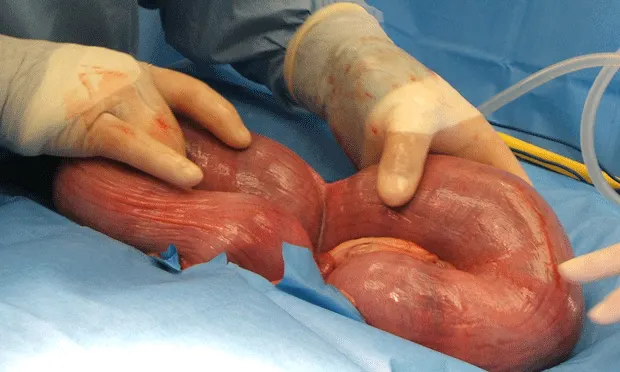
The C-section procedure for dogs is a surgical method to help deliver puppies. It is used when natural birth is difficult or dangerous for the mother or puppies. This operation can save lives and ensure a safer delivery.
Understanding the procedure helps dog owners prepare and recognize when surgery is necessary. The surgery involves careful steps to protect the mother and her puppies.
When Surgery Is Needed
Surgery is needed if the dog has trouble giving birth. Signs include long labor without puppies, weak contractions, or distress. Other reasons include large puppies or a narrow birth canal. A vet will decide if a C-section is best for the dog.
Steps Involved In The Operation
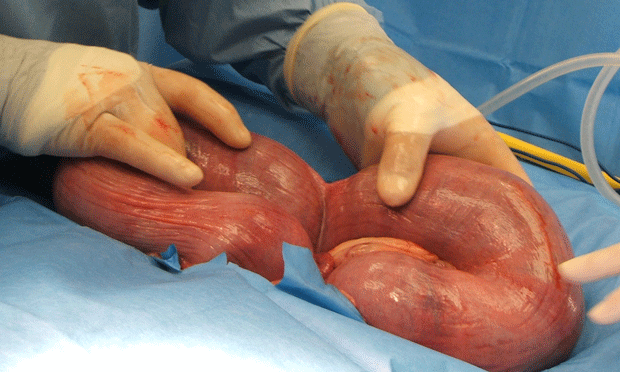
The dog receives anesthesia to sleep through the surgery. The vet cleans the belly and makes a small cut. The uterus is opened carefully to remove the puppies one by one. Each puppy is cleaned and checked for health. After all puppies are out, the vet closes the uterus and skin with stitches. The dog wakes up under close care to recover safely.
Factors Affecting C-section Costs
C-Section costs for dogs vary due to several key factors. Each factor changes the price depending on the situation. Understanding these elements helps pet owners prepare financially.
Dog’s Size And Breed
Large dogs often cost more for C-sections. Bigger size means more work and more materials. Some breeds face more risks, needing extra care during surgery. This care increases the total cost.
Emergency Vs Planned Surgery
Emergency C-sections are usually pricier. They require immediate action and extra staff. Planned surgeries allow vets to prepare, lowering costs. Emergency care involves more resources and stress.
Veterinary Clinic Location
Clinics in big cities often charge higher fees. Rural clinics may have lower prices but limited services. The clinic’s reputation and equipment also affect the cost. Location impacts both price and quality of care.
Anesthesia And Medication
The type of anesthesia affects the total bill. Some dogs need special drugs due to health conditions. Medication after surgery for pain and infection adds cost too. These medicines ensure the dog’s safe recovery.
Typical Price Range
Knowing the typical price range for a dog C-section helps pet owners plan. Costs depend on many factors. These include the dog’s size, health, and the vet’s fees. Understanding the price range makes it easier to prepare financially.
Average Cost In The Us
In the US, a dog C-section usually costs between $500 and $2,500. Small dogs often have lower costs. Larger dogs or emergencies can push prices higher. This price often covers surgery, anesthesia, and post-op care. Some vets charge extra for medicines or hospital stays.
Cost Variations Worldwide
Prices vary widely outside the US. In countries with lower vet fees, costs can be under $300. In places with high living costs, prices may match or exceed US rates. Currency differences and vet skill levels affect the cost. Always ask for a clear estimate before surgery.
Credit: www.cliniciansbrief.com
Additional Expenses To Consider
Knowing the cost of a dog C-section is just the start. There are extra expenses that can add up fast. These costs cover tests, care, and hospital fees. They keep your dog safe before, during, and after surgery. Understanding these helps you plan better for your pet’s health.
Pre-surgery Tests
Before surgery, vets run tests to check your dog’s health. Blood work checks for infections or organ problems. X-rays or ultrasounds show the puppies’ position. These tests help the vet prepare and avoid risks. The price varies but expect to pay extra for these.
Post-operative Care
After surgery, your dog needs rest and care. Pain medicine helps her feel better. Antibiotics prevent infections. Special food may be needed to help healing. Follow-up vet visits check if she recovers well. These costs come after the operation and can add up.
Hospital Stay Fees
Your dog may need to stay in the hospital after surgery. Vets watch her closely for any problems. The stay can last from a few hours to days. Each day in the hospital costs money. This fee includes nursing care and room charges.
Ways To Manage Costs
Managing the cost of a C-section for a dog can ease financial stress. Planning ahead helps you prepare for unexpected expenses. Explore different ways to save money without risking your dog’s health.
Pet Insurance Options
Pet insurance can cover part of the C-section cost. Some plans include emergency surgery and complications during birth. Choose a policy that suits your dog’s breed and health needs. Check what procedures and conditions the insurance covers.
Payment Plans And Assistance
Many veterinary clinics offer payment plans for expensive surgeries. These plans let you pay in small amounts over time. Some charities and organizations help pet owners with surgery costs. Ask your vet about local assistance programs.
Preventive Care Tips
Good care before pregnancy reduces the chance of surgery. Regular vet visits keep your dog healthy. Proper nutrition and exercise strengthen your dog’s body. Know the signs of labor problems early to act fast.

Credit: www.guilfordjamestownvet.com
Risks And Recovery
Having a C-section for a dog involves some risks. Knowing these risks helps you care for your pet better. Recovery after surgery is very important. It helps your dog heal fast and stay safe.
Potential Complications
Infections can happen after surgery. Bleeding might occur during or after the operation. Some dogs may have reactions to anesthesia. Swelling around the incision is common but watch for extreme cases. Sometimes, puppies may be born weak or not survive.
Signs To Watch After Surgery
Check your dog’s incision daily. Look for redness, swelling, or discharge. Watch if your dog is very tired or not eating. Vomiting or diarrhea can signal problems. If your dog has a fever or seems in pain, call the vet.
Recovery Timeline
Most dogs start to feel better in 3 to 5 days. The incision usually heals within 10 to 14 days. Keep your dog calm and limit movement during this time. Puppies need extra care and feeding support. Follow your vet’s instructions closely for the best recovery.
Frequently Asked Questions
How Much Does A Dog C-section Usually Cost?
A dog C-section typically costs between $800 and $3,000, depending on location and vet fees.
What Factors Affect The Price Of A Dog C-section?
Vet experience, emergency care, hospital fees, and anesthesia all influence the final cost.
Is A Dog C-section Always An Emergency Surgery?
Not always. Sometimes it is planned if natural birth is risky for the dog.
Can Pet Insurance Cover A Dog’s C-section Cost?
Some pet insurance plans cover C-sections, but coverage varies. Check your policy details.
What Breeds Often Need A C-section For Delivery?
Breeds like Bulldogs, Boston Terriers, and Chihuahuas commonly require C-sections due to birth difficulties.
How Can I Prepare Financially For My Dog’s C-section?
Save money early, ask your vet for cost estimates, and explore pet insurance options.
Conclusion
A dog’s C-section cost depends on many factors. Location and vet experience affect the price. Emergency surgeries usually cost more than planned ones. Always ask your vet for a clear estimate. Preparing financially helps avoid stress during the procedure. Remember, the dog’s health is the top priority.
Knowing the cost helps you make smart choices. Stay informed and ready to give your dog the best care.
As an Amazon Associate, I earn from qualifying purchases.